









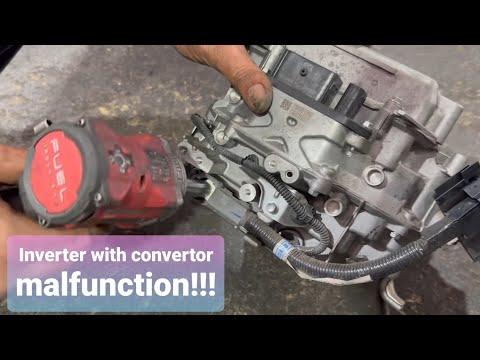





How to Fix 12V Charging Issues on a 2012-2014 Toyota Camry Hybrid (DC-DC Converter/Inverter) (Engine: Inline 4 2.5L)
Step-by-step diagnostics and inverter/DC-DC converter replacement with HV safety, tools, and coolant bleed tips
How to Fix 12V Charging Issues on a 2012-2014 Toyota Camry Hybrid (DC-DC Converter/Inverter) (Engine: Inline 4 2.5L)
Step-by-step diagnostics and inverter/DC-DC converter replacement with HV safety, tools, and coolant bleed tips for 2012, 2013, 2014


🔧 Camry - Alternator Replacement (Not Equipped) / DC-DC Converter (Inverter) Service
Your Camry Hybrid does not use a traditional belt-driven alternator. The 12V system is charged by a DC-DC converter built into the inverter assembly, so an “alternator replacement” is typically either a 12V battery/charging diagnosis or an inverter/DC-DC converter repair.
Assumption: You’re trying to fix a “not charging / dead 12V battery” problem and meant the DC-DC converter (inverter) rather than a conventional alternator.
Difficulty Level: Advanced | Estimated Time: 3-6 hours
⚠️ Safety & Precautions
- ⚠️ This is a high-voltage hybrid. Incorrect steps can cause severe injury or death.
- ⚠️ Disable the hybrid system by removing the HV service plug grip and wait the specified time before touching any orange HV cables.
- ⚠️ Disconnect the 12V battery negative terminal to prevent relays and modules from waking up.
- ⚠️ Do not touch or probe orange cables/connectors unless the HV system is disabled and you’re using insulated tools and gloves.
- ⚠️ The inverter uses its own coolant circuit—spilled coolant is slippery and toxic; clean up immediately.
🔧 Required Tools
You'll need the following tools for this repair:
- Safety glasses
- Nitrile gloves
- High-voltage insulated gloves (Class 0) (specialty)
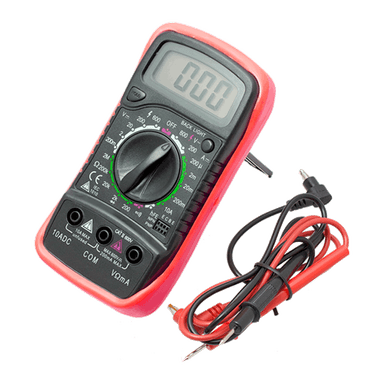
- Digital multimeter (CAT III) (specialty)
- Insulated hand tool set (1000V-rated) (specialty)
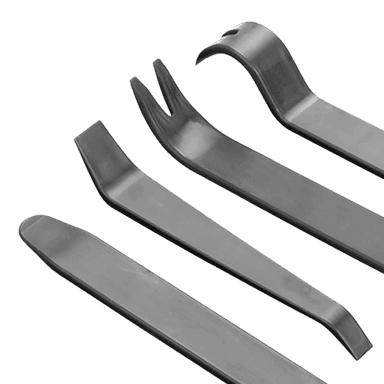
- Trim clip removal tool
- 10mm socket
- 12mm socket
- 14mm socket
- 3/8" drive ratchet
- 3/8" drive torque wrench
- Flat-blade screwdriver
- Pliers
- Drain pan (2-gallon minimum)
- Funnel
- Vacuum coolant fill tool (specialty)
- Scan tool with Toyota hybrid data (specialty)
🔩 Required Parts
HowToo sells all the parts you need for this repair:
- Inverter with converter assembly (DC-DC converter integrated) - Qty: 1
- Inverter coolant (Toyota Super Long Life Coolant compatible) - Qty: 2-3 quarts
- Inverter coolant hose clamps (as needed) - Qty: 2-6
- Inverter coolant hose O-rings / seals (as required by transfer hoses) - Qty: 1 set
- 12V battery terminal anti-corrosion pads (optional) - Qty: 2
📋 Before You Begin
- Park on level ground, shift to P, and keep the key fob at least 15 feet away.
- Open the hood and remove the plastic engine cover using a trim clip removal tool if equipped.
- Disable high voltage: remove the HV service plug grip (the hybrid battery disconnect). This is the safety “pull plug” for the hybrid battery.
- Wait the required discharge time (commonly 10 minutes) before touching any hybrid power components.
- Disconnect the 12V system: use a 10mm socket to remove the 12V negative battery terminal and isolate it.
🔨 Step-by-Step Instructions
Follow these steps in order:
Step 1: Confirm you’re not chasing a weak 12V battery
- Use a digital multimeter (CAT III) to measure the 12V battery at rest (car OFF).
- If the battery is below normal (often <12.4V), charge it fully first; a weak 12V battery can mimic “no charge” symptoms.
- With the car in READY, use the digital multimeter (CAT III) to check charging voltage at the 12V battery; the DC-DC converter typically charges around the mid-13V to ~14V range.
Step 2: Remove the upper covers and intake ducting
- Remove push clips and covers using a trim clip removal tool.
- Loosen intake hose clamps using a flat-blade screwdriver.
- Remove the air cleaner outlet duct and related brackets using a 10mm socket.
Step 3: Remove the wiper cowl area for access (if it blocks inverter removal)
- Remove wiper arm caps and nuts using a 14mm socket.
- Remove the cowl top panel clips with a trim clip removal tool, then lift the panel off.
- Remove the cowl brace/assembly using a 10mm socket and 12mm socket as needed.
Step 4: Drain inverter coolant
- Place a drain pan (2-gallon minimum) under the inverter cooling area.
- Open the inverter coolant reservoir cap.
- Release the appropriate inverter coolant drain/connection carefully using pliers (hose clamps), then let coolant drain.
- Label hoses before removal.
Step 5: Disconnect inverter electrical connectors (low-voltage)
- Ensure HV is still disabled and 12V negative is disconnected.
- Disconnect inverter connectors by releasing locks with a flat-blade screwdriver (gently) if needed.
- Move harnesses aside without pulling on wires.
Step 6: Disconnect high-voltage cables (orange) from the inverter
- Put on high-voltage insulated gloves (Class 0).
- Remove inverter HV terminal covers using an insulated hand tool set (1000V-rated).
- Disconnect HV cable fasteners using the insulated hand tool set (1000V-rated), then cap/cover the cable ends to prevent contamination.
- Torque: Reinstall HV fasteners to Toyota factory specification with a 3/8" drive torque wrench.
Step 7: Disconnect inverter coolant hoses
- Use pliers to release clamps and remove hoses from the inverter.
- Replace any flattened O-rings/seals during reassembly.
Step 8: Remove the inverter with converter assembly
- Remove inverter mounting bolts using a 12mm socket and 14mm socket.
- Lift the inverter out carefully (it’s heavy and awkward); keep it level to avoid spilling coolant.
- Torque: Reinstall mounting bolts to Toyota factory specification using a 3/8" drive torque wrench.
Step 9: Install the replacement inverter and reconnect everything
- Set the replacement unit in place and start bolts by hand to avoid cross-threading.
- Reconnect coolant hoses and secure clamps using pliers.
- Reconnect all low-voltage connectors by hand until the locks click.
- Reconnect HV cables using the insulated hand tool set (1000V-rated) and tighten with a 3/8" drive torque wrench to Toyota factory specification.
Step 10: Refill and bleed the inverter coolant
- Use a vacuum coolant fill tool (specialty) to pull vacuum and refill with inverter coolant to reduce air pockets. Air pockets can overheat the inverter.
- Top off the reservoir using a funnel.
- Use a scan tool with Toyota hybrid data (specialty) to command the inverter coolant pump ON if supported; otherwise, follow the correct READY/IG-ON procedure per Toyota service info to circulate coolant.
- Recheck the level and add coolant as needed.
Step 11: Reassemble cowl and intake parts
- Reinstall cowl brace/panels using a 10mm socket and 12mm socket.
- Reinstall wiper arms using a 14mm socket.
- Reinstall intake ducting and tighten clamps using a flat-blade screwdriver.
Step 12: Restore power (12V first, then HV)
- Reconnect the 12V negative terminal using a 10mm socket and tighten to Toyota factory specification.
- Reinstall the HV service plug grip fully and lock it correctly. Incomplete locking can cause no-start.
✅ After Repair
- Start the car and confirm it goes to READY with no warning lights.
- Use a scan tool with Toyota hybrid data (specialty) to check for stored DTCs and confirm DC-DC converter charging data looks normal.
- With the car in READY, verify 12V charging voltage again using a digital multimeter (CAT III).
- Recheck inverter coolant level after a short drive and top off if needed.
- Inspect for coolant leaks around inverter hoses and clamps.
💰 DIY vs Shop Cost
Shop Cost: $1,500-$3,500 (parts + labor)
DIY Cost: $800-$2,500 (parts only)
You Save: $700-$1,000+ by doing it yourself!
Shop labor rates vary but typically run $100-$150/hour. This repair takes a shop approximately 3-6 hours.
🎯 Ready to get started?
HowToo makes it easy: same-day/2-day shipping on every part, plus all the tools and specialty tools you need! Check out the parts and tools sections below to add everything to your cart.
Guide for Engine Coolant / Antifreeze replace for these Toyota vehicles
| Year Make Model | Sub Model | Engine | Body Style |
|---|---|---|---|
| 2014 Toyota Camry | - | Inline 4 2.5L | - |
| 2014 Toyota Camry | - | V6 3.5L | - |
| 2013 Toyota Camry | - | Inline 4 2.5L | - |
| 2013 Toyota Camry | - | V6 3.5L | - |
| 2012 Toyota Camry | - | Inline 4 2.5L | - |
| 2012 Toyota Camry | - | V6 3.5L | - |