













How to Diagnose and Fix EPS Steering Assist Loss on a 2012-2018 Toyota Yaris (Engine: Inline 4 1.5L | Body: Hatchback)
Step-by-step troubleshooting with scan tool checks, fuses, wiring, battery tests, and repair tips
How to Diagnose and Fix EPS Steering Assist Loss on a 2012-2018 Toyota Yaris (Engine: Inline 4 1.5L | Body: Hatchback)
Step-by-step troubleshooting with scan tool checks, fuses, wiring, battery tests, and repair tips for 2012, 2014, 2015, 2016, 2017, 2018


🔧 Power Steering Pump - Not Equipped
Your Yaris does not use a hydraulic power steering pump. It uses electric power steering, so there is no pump, fluid, hose, or belt-driven power steering unit to replace. If you have lost steering assist, the problem is usually in the EPS system, steering rack/motor, fuse, wiring, or battery/charging system.
Difficulty Level: Intermediate | Estimated Time: 1-3 hours for diagnosis
⚠️ Safety & Precautions
- Do not try to add power steering fluid; this system is not hydraulic.
- Disconnect the negative battery cable before unplugging EPS connectors.
- Keep hands clear of the steering shaft and rack while testing.
- If the steering wheel feels stiff or the EPS light is on, do not drive far until diagnosed.
🔧 Required Tools
You'll need the following tools for this repair:
- 10mm socket
- 3/8-inch ratchet
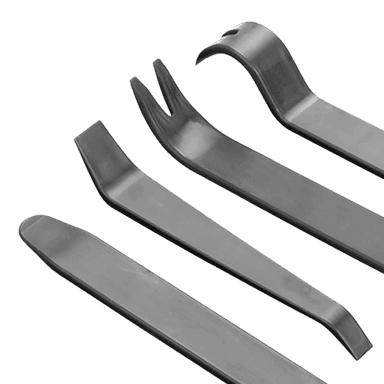
- Trim panel tool
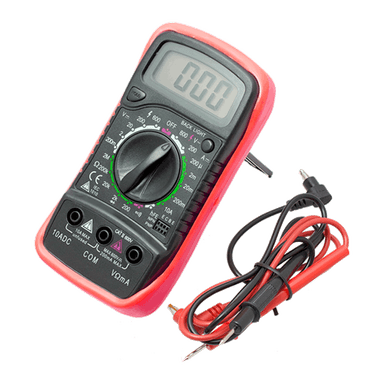
- Digital multimeter
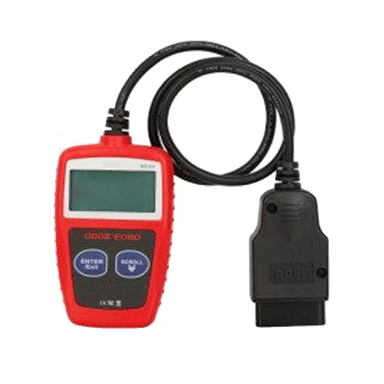
- OBD-II scan tool
- Safety glasses
- Mechanic gloves
🔩 Required Parts
HowToo sells all the parts you need for this repair:
- EPS fuse - Qty: 1
- Battery terminal cleaner - Qty: 1
- Battery terminal grease - Qty: 1
- Steering rack assembly - Qty: 1, if replacement is confirmed
📋 Before You Begin
- Park on level ground and set the parking brake.
- Turn the ignition off and remove the key/fob.
- Disconnect the negative battery cable with a 10mm socket.
- Wait at least 90 seconds before unplugging EPS components.
🔨 Step-by-Step Instructions
Follow these steps in order:
Step 1: Confirm the system type
- Open the hood and inspect the engine bay. There should be no power steering reservoir, pump, or hydraulic hoses.
- If you see no fluid system, this confirms EPS, not a pump.
Step 2: Check for EPS faults
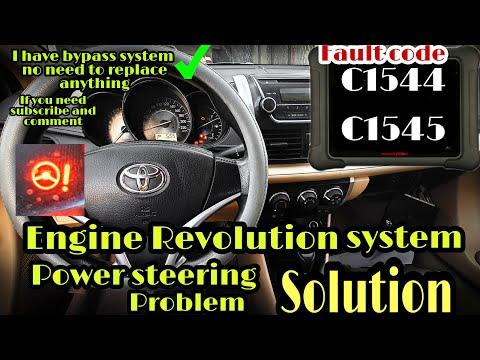
- Use an OBD-II scan tool to read codes from the power steering control system.
- Record any codes before clearing them.
Step 3: Check battery and charging voltage
- Use a digital multimeter to check battery voltage.
- Look for low voltage, loose terminals, or corrosion.
- Low voltage can disable steering assist.
Step 4: Inspect fuses and wiring
- Use the fuse box cover diagram and remove the EPS-related fuse with a trim panel tool or your fingers if accessible.
- Inspect the fuse for damage and check connectors for looseness or corrosion.
Step 5: Replace the steering rack only if confirmed bad
- If diagnostics point to the rack/motor assembly, remove the front under covers and disconnect the EPS harness.
- Unbolt the rack and replace it as an assembly.
- Torque fasteners to factory spec for the rack, shaft, and subframe connections.
Step 6: Clear codes and road test
- Reconnect the battery.
- Use the OBD-II scan tool to clear EPS codes.
- Start the car and verify steering assist is normal.
✅ After Repair
- Turn the steering wheel lock-to-lock while stationary and listen for abnormal noises.
- Check that the EPS warning light stays off.
- Road test at low speed first.
💰 DIY vs Shop Cost
Shop Cost: $120-$250 for diagnosis, or $900-$1,800 if the steering rack assembly is replaced
DIY Cost: $20-$120 for diagnosis items, or $500-$1,000 for rack parts if needed
You Save: $100-$800 by doing it yourself!
Shop labor rates vary but typically run $100-$150/hour. This repair takes a shop approximately 1-3 hours for diagnosis, longer if rack replacement is needed.
🎯 Ready to get started?
HowToo makes it easy: same-day/2-day shipping on every part, plus all the tools and specialty tools you need! Check out the parts and tools sections below to add everything to your cart.