
















How to Change Transmission Fluid on a 2021-2024 Kia Seltos (IVT CVT or 7-Speed DCT) (Engine: Inline 4 2.0L)
Step-by-step drain-and-fill guide with correct fluid specs, tools list, safety tips, and level-setting notes
How to Change Transmission Fluid on a 2021-2024 Kia Seltos (IVT CVT or 7-Speed DCT) (Engine: Inline 4 2.0L)
Step-by-step drain-and-fill guide with correct fluid specs, tools list, safety tips, and level-setting notes for 2021, 2022, 2023, 2024


🔧 Seltos - Transmission Fluid Change
Your Seltos can have different transmission types, and the fluid type/fill procedure changes a lot depending on which one you have. I can walk you through it step-by-step, but I need 2 quick confirmations so I give you the correct Kia procedure.
Difficulty Level: Intermediate | Estimated Time: 1.0-2.0 hours
Quick questions (pick one from each):
1) Is your Seltos an IVT (Kia CVT) or a 7-speed DCT? (Your shifter area/owner’s manual will usually say “IVT” if it’s CVT.)
2) Do you want a drain-and-fill (typical DIY) or a full fluid exchange (usually needs a machine)?
⚠️ Safety & Precautions
- 🧯 Work on a level surface; use jack stands, not just a jack.
- 🔥 Transmission fluid can be hot; let the drivetrain cool before opening plugs.
- 🧤 Wear gloves and safety glasses; fluid can splash when the plug is removed.
- ⚡ Keep the engine off unless the procedure specifically requires it for level setting.
🔧 Required Tools
You'll need the following tools for this repair:
- Floor jack (rated 3-ton minimum)
- Jack stands (rated 3-ton minimum)
- Wheel chocks
- Safety glasses
- Nitrile gloves
- Drain pan (at least 10-quart)
- Fluid transfer pump (specialty)
- Torque wrench (10–100 ft-lbs range)
- Trim clip removal tool
- Socket set (metric)
- Allen key socket set (metric)
🔩 Required Parts
HowToo sells all the parts you need for this repair:
- Transmission fluid (correct spec for your transmission) - Qty: 1
- Drain/fill plug crush washer(s) - Qty: 1-2
- Brake cleaner - Qty: 1
- Shop towels - Qty: 1
📋 Before You Begin
- Park on a level surface and set the parking brake.
- Chock the rear wheels with wheel chocks.
- Lift the front safely with a floor jack and support with jack stands.
- Remove any lower splash shield/undertray panels using a trim clip removal tool and metric socket set.
🔨 Step-by-Step Instructions
Follow these steps in order:
Step 1: Confirm the transmission type and correct fluid
- Check the owner’s manual “Specifications” section, or the transmission label/casting near the case for IVT or DCT.
- Reply with which one you have, and whether you want drain-and-fill or full exchange.
- I’ll tailor plug locations, fluid spec, and level procedure.
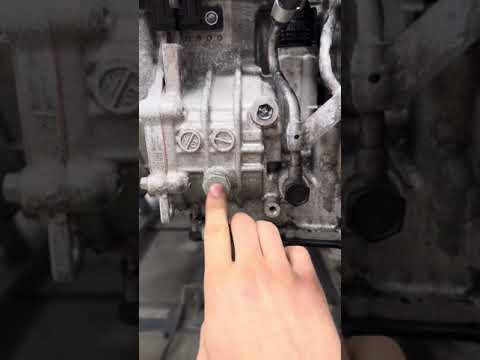
Step 2: Locate the fill plug first (do not drain yet)
- Use the metric socket set or metric Allen key socket set to identify and test-loosen the fill plug (location varies by IVT vs DCT).
- If the fill plug is stuck, stop here—do not drain the transmission.
Step 3: Drain the old fluid
- Place a drain pan under the drain plug.
- Remove the drain plug using the correct metric socket or Allen key socket.
- Let the fluid drain until it slows to an occasional drip.
Step 4: Reinstall drain plug with new washer
- Clean the drain plug and area using brake cleaner and shop towels.
- Install a new crush washer on the drain plug.
- Tighten using a torque wrench to the correct Kia spec for your transmission. (I’ll provide the exact spec once you confirm IVT vs DCT.)
Step 5: Refill with the correct fluid
- Refill through the fill port using a fluid transfer pump. (A transfer pump is a hand pump that pushes fluid up into a side fill hole.)
- Add fluid in small amounts and pause to let it settle.
Step 6: Set the final level (varies by transmission)
- IVT and DCT can have different level-check methods (some are temperature-based and may require the engine running).
- I’ll give you the exact level-setting steps once you confirm which transmission you have.
✅ After Repair
- Reinstall any undertray panels using the trim clip removal tool and metric socket set.
- Start the engine and check underneath for leaks.
- Test drive gently, then re-check for seepage around the drain/fill areas.
💰 DIY vs Shop Cost
Shop Cost: $200-$450 (parts + labor)
DIY Cost: $60-$180 (parts only)
You Save: $140-$270 by doing it yourself!
Shop labor rates vary but typically run $100-$150/hour. This repair takes a shop approximately 1.0-1.5 hours.
🎯 Ready to get started?
HowToo makes it easy: same-day/2-day shipping on every part, plus all the tools and specialty tools you need! Check out the parts and tools sections below to add everything to your cart.