









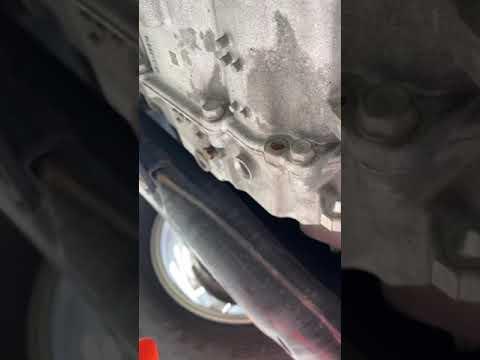







How to Change Transmission Fluid on a 2020 Chevrolet Blazer (9-Speed 9T50)
Drain-and-refill procedure with fluid type (DEXRON-ULV), required tools, and temperature-based level-setting steps
How to Change Transmission Fluid on a 2020 Chevrolet Blazer (9-Speed 9T50)
Drain-and-refill procedure with fluid type (DEXRON-ULV), required tools, and temperature-based level-setting steps


🔧 Blazer - Transmission Fluid Change (Drain & Refill / Level Set)
On your Blazer’s 9-speed automatic, a typical DIY “fluid change” is a drain-and-refill, then setting the fluid level at the correct transmission-fluid temperature. Getting the level/temperature step right matters—overfill or underfill can cause harsh shifting and transmission damage.
Difficulty Level: Advanced | Estimated Time: 1.5-3.0 hours
⚠️ Safety & Precautions
- ⚠️ Work on a level surface; the level check is inaccurate if the vehicle isn’t level.
- ⚠️ Use jack stands—never rely on a floor jack alone.
- ⚠️ Transmission fluid can be hot; wear gloves and safety glasses.
- ⚠️ Keep the area ventilated; the engine may need to run during the level set.
🔧 Required Tools
You'll need the following tools for this repair:
- Floor jack (rated 3-ton minimum)
- Jack stands (rated 3-ton minimum)
- Wheel chocks
- Safety glasses
- Nitrile gloves
- Drain pan (10-quart minimum)
- Socket set (metric)
- Ratchet (3/8")
- Torque wrench (3/8")
- Trim clip tool
- Fluid transfer pump (specialty)
- Scan tool with Transmission Fluid Temperature data (specialty)
- Infrared thermometer
- Shop rags
🔩 Required Parts
HowToo sells all the parts you need for this repair:
- Automatic transmission fluid (GM-approved DEXRON-ULV) - Qty: TBD
- Drain/fill plug seal (if equipped) - Qty: 1
- Brake cleaner - Qty: 1
📋 Before You Begin
- Park your Blazer on a level surface, set the parking brake, and chock the rear wheels.
- Raise and support the vehicle so it sits level (front and rear at similar height) using a floor jack and jack stands.
- You must be able to read Transmission Fluid Temperature (TFT). A scan tool is best; an infrared thermometer is a backup but less accurate.
- Two quick questions before I give you the exact fill quantity, plugs to use, and the correct temperature window:
- Is your Blazer FWD or AWD?
- Are you doing a drain-and-refill (most common) or trying to do a complete fluid exchange?
🔨 Step-by-Step Instructions
Follow these steps in order:
Step 1: Access the transmission area
- Use a floor jack (rated 3-ton minimum) and jack stands (rated 3-ton minimum) to support the vehicle level.
- If an underbody shield is in the way, remove its fasteners using a socket set (metric) and a trim clip tool.
Step 2: Locate the drain and fill/level plugs
- Place a drain pan (10-quart minimum) under the transmission.
- Clean around the plug areas using shop rags and brake cleaner so dirt can’t enter.
- Tip: Always loosen the fill plug first.
Step 3: Loosen the fill plug first (important)
- Use the correct-size tool from your socket set (metric) and ratchet (3/8") to crack the fill plug loose (do not remove fully yet).
- If the fill plug is stuck, stop here—do not drain the transmission until you’re sure you can refill it.
Step 4: Drain the old fluid
- Remove the drain plug using your socket set (metric) and ratchet (3/8") and let it drain into the pan.
- Inspect the drained fluid for heavy metal debris (fine “mud” on a magnet is normal; chunks are not).
- Reinstall the drain plug with a new drain/fill plug seal (if equipped).
- Torque to TBD (I’ll provide the exact spec after you confirm FWD vs AWD).
Step 5: Refill with the correct ATF
- Use a fluid transfer pump (specialty) to pump in automatic transmission fluid (GM-approved DEXRON-ULV) through the fill port.
- Add fluid until it begins to dribble back out (initial fill), then reinstall the fill plug finger-tight.
Step 6: Set the final level at the correct temperature
- Connect your scan tool with Transmission Fluid Temperature data (specialty) and monitor TFT.
- Start the engine, keep the brake applied, and move the shifter slowly through each gear, pausing 2–3 seconds in each, then return to Park.
- With the engine running and TFT in the correct window, remove the level/check plug (or open the correct level method for your exact drivetrain).
- Add ATF using the fluid transfer pump (specialty) until a thin stream/drip indicates the level is correct, then reinstall the plug.
- Torque to TBD (I’ll provide the exact spec and temperature window after your two answers above).
Step 7: Reinstall shields and clean up
- Reinstall any underbody shield using your socket set (metric) and trim clip tool.
- Clean any residue with brake cleaner and shop rags.
✅ After Repair
- With the engine running, check for leaks around the drain/fill/level plugs.
- Road test gently for 10–15 minutes, then recheck for leaks.
- If you have a scan tool, confirm there are no new transmission-related codes and recheck TFT readings look normal.
💰 DIY vs Shop Cost
Shop Cost: $250-$450 (parts + labor)
DIY Cost: $60-$140 (parts only)
You Save: $110-$340 by doing it yourself!
Shop labor rates vary but typically run $100-$150/hour. This repair takes a shop approximately 1.5-2.5 hours.
🎯 Ready to get started?
HowToo makes it easy: same-day/2-day shipping on every part, plus all the tools and specialty tools you need! Check out the parts and tools sections below to add everything to your cart.
Guide for Automatic Transmission Fluid replace for these Chevrolet vehicles
| Year Make Model | Sub Model | Engine | Body Style |
|---|