















How to Change Transmission Fluid on a 2016 Toyota Highlander
Step-by-step drain-and-fill guide with tools, parts, torque specs, and safety tips for 2006, 2007, 2008, 2009, 2010, 2011, 2012, 2013, 2014, 2015, 2016, 2017, 2018, 2019, 2020, 2021, 2022, 2023
How to Change Transmission Fluid on a 2016 Toyota Highlander
Step-by-step drain-and-fill guide with tools, parts, torque specs, and safety tips for 2006, 2007, 2008, 2009, 2010, 2011, 2012, 2013, 2014, 2015, 2016, 2017, 2018, 2019, 2020, 2021, 2022, 2023


🔧 Transmission Fluid - Drain and Fill
On your Highlander, the automatic transmission uses Toyota WS fluid and is serviced by draining and refilling, not by a simple dipstick check. The key is to refill to the correct level using the fill plug and verify the fluid temperature if the transmission has a level check procedure.
Difficulty Level: Intermediate | Estimated Time: 1.5-2.5 hours
⚠️ Safety & Precautions
- Work on a level surface with the parking brake fully engaged.
- Transmission fluid can be hot. Let the vehicle cool before opening drain or fill plugs.
- Use jack stands rated for the vehicle weight. Never rely on a jack alone.
- Keep dirt out of the transmission. Clean around plugs before removal.
- No battery disconnect is required for this service.
🔧 Required Tools
You'll need the following tools for this repair:
- Floor jack (rated 3-ton minimum)
- Jack stands (rated for vehicle weight)
- Wheel chocks
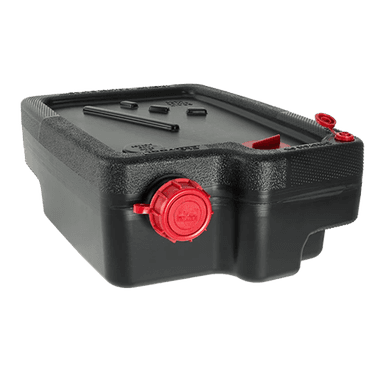
- Drain pan
- 10mm socket
- 24mm socket
- Torque wrench
- Fluid transfer pump
- Funnel with hose
- Ratchet
- Shop towels
- Safety glasses
- Nitrile gloves
🔩 Required Parts
HowToo sells all the parts you need for this repair:
- Automatic transmission fluid (Toyota WS) - Qty: 4-5 quarts
- Transmission drain plug gasket - Qty: 1
- Transmission fill plug gasket - Qty: 1
📋 Before You Begin
- Park on level ground and set the parking brake.
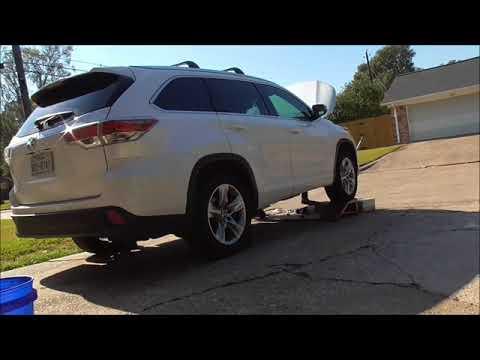
- Raise the vehicle evenly and support it securely on jack stands.
- Warm fluid drains more completely, but avoid working on a hot transmission.
- Have the new fluid ready before you open the drain plug.
🔨 Step-by-Step Instructions
Follow these steps in order:
Step 1: Lift and secure the vehicle
- Use the floor jack to raise the front of the vehicle, then support it with jack stands.
- Keep the vehicle level side-to-side and front-to-back for an accurate fluid level.
- Level matters for fill accuracy.
Step 2: Locate the transmission drain and fill plugs
- Use a light and look under the transmission case.
- Identify the drain plug at the bottom and the fill plug on the side of the transmission housing.
- Clean both areas with shop towels before opening them.
Step 3: Remove the drain plug and drain the fluid
- Place the drain pan under the drain plug.
- Use the 24mm socket and ratchet to remove the drain plug.
- Let the fluid drain completely, which usually takes several minutes.
- Install a new transmission drain plug gasket.
- Torque to 49 Nm (36 ft-lbs).
Step 4: Reinstall the drain plug
- Thread the drain plug in by hand first to avoid cross-threading.
- Use the 24mm socket and torque wrench to tighten it.
- Torque to 49 Nm (36 ft-lbs).
Step 5: Remove the fill plug
- Place the drain pan under the fill area in case of spill.
- Use the 24mm socket to remove the fill plug.
- If the fill plug is stuck, stop and make sure you can remove it before continuing.
Step 6: Fill with fresh transmission fluid
- Use the fluid transfer pump and funnel with hose to add Toyota WS automatic transmission fluid.
- Add fluid slowly until it begins to seep out of the fill opening.
- Let excess drip until it becomes a thin stream, then a slow drip.
- Install a new transmission fill plug gasket.
- Torque to 49 Nm (36 ft-lbs).
Step 7: Check for leaks and verify level
- Start the engine and let it idle.
- With your foot on the brake, shift slowly through all gear positions, pausing a few seconds in each.
- Return to Park and inspect both plugs for leaks.
- If the level-check procedure is needed on your transmission, verify fluid at the specified temperature before finalizing the fill.
✅ After Repair
- Lower the vehicle and take a short test drive.
- Check for smooth shifting and no warning lights.
- Reinspect for leaks after the drive.
- Dispose of used fluid at a recycling center or parts store.
💰 DIY vs Shop Cost
Shop Cost: $180-$320 (parts + labor)
DIY Cost: $55-$110 (parts only)
You Save: $125-$210 by doing it yourself!
Shop labor rates vary but typically run $100-$150/hour. This repair takes a shop approximately 1.5-2.5 hours.
🎯 Ready to get started?
HowToo makes it easy: same-day/2-day shipping on every part, plus all the tools and specialty tools you need! Check out the parts and tools sections below to add everything to your cart.