









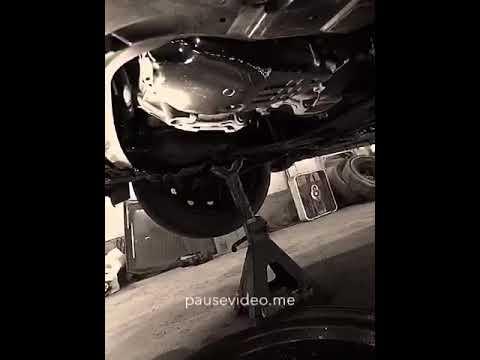







How to Change Transmission Fluid on a 2015 Nissan Sentra (CVT or 6-Speed Manual)
Step-by-step drain-and-refill guide with correct fluids (NS-3/75W-80), tools, safety tips, and level-check procedure for 2013, 2014, 2015, 2016, 2017, 2018, 2019
How to Change Transmission Fluid on a 2015 Nissan Sentra (CVT or 6-Speed Manual)
Step-by-step drain-and-refill guide with correct fluids (NS-3/75W-80), tools, safety tips, and level-check procedure for 2013, 2014, 2015, 2016, 2017, 2018, 2019


🔧 Sentra - Transmission Fluid Change (Drain & Refill)
Your Sentra came with either the Xtronic CVT (most common) or a 6‑speed manual. The correct fluid and the level-check method are completely different, so below are two separate procedures—follow the one that matches what’s in your car.
Difficulty Level: Intermediate | Estimated Time: 1.5-3.0 hours
Assumption: Transmission type not provided; steps include both CVT and manual paths.
⚠️ Safety & Precautions
- ⚠️ Work on a level surface; support the car with jack stands before going underneath.
- ⚠️ Transmission fluid can be hot—let the car cool so you don’t get burned.
- ⚠️ Keep the car level during filling/level check or the fluid level will be wrong.
- ⚠️ Never use “universal ATF” in the CVT; the CVT requires Nissan-spec CVT fluid.
- ⚠️ If you must run the engine while raised (CVT level check), keep wheels chocked and stay clear of moving parts.
🔧 Required Tools
You'll need the following tools for this repair:
- Floor jack (rated 3-ton minimum)
- Jack stands (rated 3-ton minimum)
- Wheel chocks
- Safety glasses
- Nitrile gloves
- Drain pan (10-quart minimum)
- Funnel with long flexible hose
- OBD2 scan tool with live data (specialty)
- Torque wrench (10-150 ft-lbs range)
- Metric socket set (8mm-19mm)
- 3/8" drive ratchet
- 3/8" drive extensions
- Phillips screwdriver
- Trim clip removal tool
- Hex key socket set (4mm-10mm)
- Hand pump fluid transfer pump (specialty)
- Shop rags
- Brake cleaner spray
🔩 Required Parts
HowToo sells all the parts you need for this repair:
- Nissan CVT fluid (NS-3 equivalent) - Qty: 5 quarts
- Transmission drain plug crush washer - Qty: 1
- Transmission fill plug washer - Qty: 1
- Manual transmission gear oil (75W-80 GL-4) - Qty: 3 quarts
📋 Before You Begin
- Park on a flat, level surface and set the parking brake.
- Chock the rear wheels using wheel chocks.
- Raise the front with a floor jack and support with jack stands at the factory lift points.
- Locate the transmission: CVT has a large case and usually a CVT fluid cooler line; manual has shift linkage and typically a simpler case.
- Set up your OBD2 scan tool to view transmission fluid temperature (CVT path). Live data = real-time sensor readings.
🔨 Step-by-Step Instructions
Follow these steps in order:
Step 1: Remove the lower splash shield (if equipped)
- Use a trim clip removal tool to pop out plastic clips.
- Use a Phillips screwdriver and metric socket set (8mm-10mm) to remove any screws/bolts.
- Set the shield and fasteners aside in a small pile.
Step 2: Identify whether you have CVT or manual
- CVT: usually labeled “CVT” on a warning label and uses CVT fluid; manual uses gear oil.
- If you see a dipstick labeled “CVT,” follow the CVT steps below (many do not have a dipstick).
Step 3 (CVT): Loosen the fill plug first
- Place a drain pan under the transmission area using a drain pan (10-quart minimum).
- Find the CVT fill plug (commonly on the side/front of the case).
- Use a metric socket set (10mm-19mm) and 3/8" drive ratchet to crack it loose first.
- Tip: If it won’t loosen, don’t drain yet.
Step 4 (CVT): Drain the CVT fluid
- Position the drain pan under the CVT drain plug.
- Use a metric socket set (10mm-19mm) and 3/8" drive ratchet to remove the drain plug.
- Let it drain until it slows to an occasional drip.
- Clean the drain plug with shop rags and brake cleaner spray.
- Replace the drain plug crush washer with a new transmission drain plug crush washer.
- Reinstall the drain plug using a torque wrench and metric socket set and Torque to Nissan specification.
Step 5 (CVT): Refill with NS-3 CVT fluid
- Use a funnel with long flexible hose or hand pump fluid transfer pump (specialty) to add fluid through the fill hole.
- Add the amount you drained (measure what came out in the drain pan). A typical drain/refill is about 4-5 quarts.
- Install the fill plug loosely using a 3/8" drive ratchet for now.
Step 6 (CVT): Set the CVT fluid level using temperature
- Lower the car enough that it sits level (or keep it level on four stands) using a floor jack and jack stands.
- Connect your OBD2 scan tool with live data (specialty) and monitor CVT fluid temperature.
- Start the engine and, with your foot on the brake, move the shifter slowly through all positions and back to Park (this circulates fluid).
- When CVT fluid temperature is in the typical level-check range (commonly about 35-45°C / 95-113°F), check level at the level/overflow plug if your CVT uses one.
- Use a hex key socket set (4mm-10mm) or metric socket set (10mm-19mm) (varies by plug style) to remove the level/overflow plug.
- Correct level is usually a thin steady dribble at the specified temperature; add fluid with the hand pump fluid transfer pump (specialty) until it just begins to dribble.
- Reinstall the level/overflow plug using a torque wrench and Torque to Nissan specification.
- Tighten the fill plug using a torque wrench and Torque to Nissan specification.
Step 7 (Manual): Loosen the fill plug first
- Locate the manual transmission fill plug (typically on the side of the case, above the drain plug).
- Use a hex key socket set (4mm-10mm) or metric socket set (10mm-19mm) (varies by plug) with a 3/8" drive ratchet to loosen it.
- Tip: Always confirm fill plug opens before draining.
Step 8 (Manual): Drain the gear oil
- Place the drain pan (10-quart minimum) under the drain plug.
- Use a metric socket set (10mm-19mm) and 3/8" drive ratchet to remove the drain plug and drain fully.
- Clean the drain plug and magnet (if magnetic) with shop rags and brake cleaner spray.
- Install a new transmission drain plug crush washer if equipped.
- Reinstall drain plug using a torque wrench and Torque to Nissan specification.
Step 9 (Manual): Fill until fluid reaches the fill opening
- Use a hand pump fluid transfer pump (specialty) to pump in manual transmission gear oil (75W-80 GL-4).
- Fill until the oil just starts to seep out of the fill hole (that’s the correct level on most manuals).
- Install a new transmission fill plug washer if equipped.
- Reinstall the fill plug using a torque wrench and Torque to Nissan specification.
Step 10: Reinstall the splash shield
- Reinstall the shield using a Phillips screwdriver, trim clip removal tool, and metric socket set (8mm-10mm).
- Make sure no clips are missing (loose shields can rub and make noise).
✅ After Repair
- Start the engine and check underneath for leaks with a flashlight (use safety glasses).
- Take a short, gentle test drive and confirm smooth operation (no slipping, no delayed engagement).
- Recheck for leaks after the drive.
- If CVT: recheck level procedure if you notice any flare/slip or whining.
💰 DIY vs Shop Cost
Shop Cost: $220-$450 (parts + labor)
DIY Cost: $60-$140 (parts only)
You Save: $160-$310 by doing it yourself!
Shop labor rates vary but typically run $100-$150/hour. This repair takes a shop approximately 1.5-3.0 hours.
🎯 Ready to get started?
HowToo makes it easy: same-day/2-day shipping on every part, plus all the tools and specialty tools you need! Check out the parts and tools sections below to add everything to your cart.