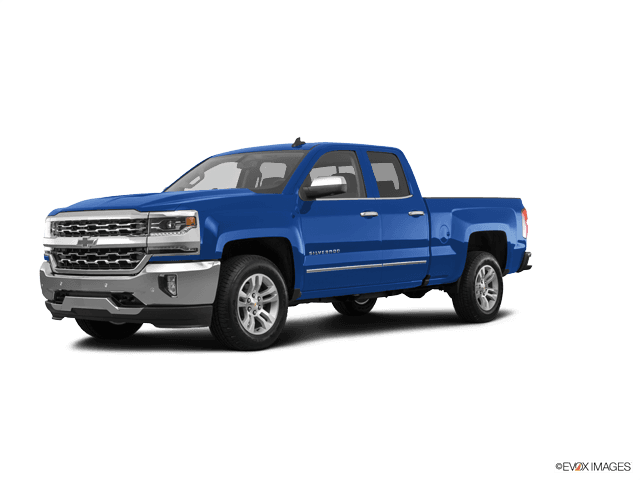
















How to Change Transmission Fluid on a 2009-2021 Chevrolet Silverado 1500 (Engine: V8 6.2L)
Step-by-step guide with tools, Dexron VI, torque specs, and fluid level check tips
How to Change Transmission Fluid on a 2009-2021 Chevrolet Silverado 1500 (Engine: V8 6.2L)
Step-by-step guide with tools, Dexron VI, torque specs, and fluid level check tips for 2009, 2010, 2011, 2012, 2013


🔧 Transmission Fluid - Fluid Change
This service drains the old automatic transmission fluid, replaces the filter and pan gasket if you’re doing a full service, then refills with the correct GM-spec fluid. Your Silverado uses a sealed-style transmission with no dipstick, so fluid level must be checked through the case fill/check ports at the correct temperature.
Difficulty Level: Intermediate | Estimated Time: 2-4 hours
⚠️ Safety & Precautions
- Work on a level surface with the parking brake set and wheels chocked.
- Transmission fluid can be hot enough to burn; let the truck cool before opening the pan.
- Use jack stands. Never rely on a floor jack alone.
- This transmission must be filled and checked at the specified fluid temperature range.
- No battery disconnect is required for this service.
🔧 Required Tools
You'll need the following tools for this repair:
- Floor jack (rated 3-ton minimum)
- Jack stands (rated 3-ton minimum)
- Wheel chocks
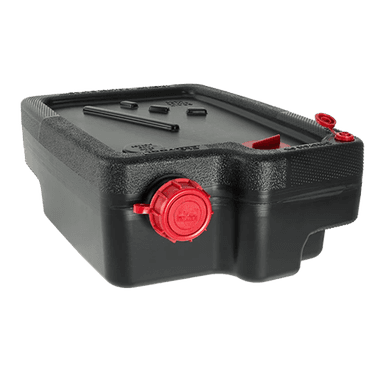
- Drain pan
- 8mm socket
- 10mm socket
- 15mm socket
- Torque wrench
- Ratchet
- Long funnel
- Fluid transfer pump
- Trim tool (specialty)
- Lint-free rags
- Safety glasses
- Nitrile gloves
- Scan tool with transmission temperature data
🔩 Required Parts
HowToo sells all the parts you need for this repair:
- Automatic transmission fluid, Dexron VI - Qty: 10-12 quarts
- Transmission filter - Qty: 1
- Transmission pan gasket - Qty: 1
- Transmission pan bolts - Qty: 1 set if needed
- Transmission drain plug seal - Qty: 1 if equipped
📋 Before You Begin
- Park on level ground and let the transmission cool down.
- Raise the truck safely and support it with jack stands.
- Have enough Dexron VI ready before you start.
- If your truck has a skid plate in the way, remove it first.
🔨 Step-by-Step Instructions
Follow these steps in order:
Step 1: Raise and secure the truck
- Use a floor jack and jack stands to lift the truck level and support it securely.
- Set wheel chocks behind the wheels that stay on the ground.
- Keep the truck as level as possible.
Step 2: Remove any skid plate or splash shield
- Use the 15mm socket or 10mm socket to remove any cover blocking the transmission pan.
- Set the hardware aside in order.
Step 3: Drain the transmission fluid
- Place a drain pan under the transmission pan.
- If equipped with a drain plug, use the 15mm socket to remove the drain plug and drain the fluid.
- If there is no drain plug, loosen the pan bolts with the 10mm socket and lower one side slowly to control the flow.
- Tighten the drain plug to 20 Nm (15 ft-lbs) if it was removed.
Step 4: Remove the transmission pan
- Use the 10mm socket to remove the pan bolts.
- Lower the pan carefully and pour out any remaining fluid.
- Inspect the pan for excessive metal debris. A small amount of gray paste is normal.
- Take your time here to avoid spills.
Step 5: Replace the filter
- Pull the old filter straight down by hand or with the trim tool if needed.
- Make sure the old seal comes out with the filter.
- Install the new filter firmly into place.
Step 6: Clean and reinstall the pan
- Clean the pan and magnet with lint-free rags.
- Install the new pan gasket.
- Raise the pan into place and start all bolts by hand with the 10mm socket.
- Tighten the pan bolts to 12 Nm (106 in-lbs) in a crisscross pattern.
Step 7: Refill with fluid
- Use the fluid transfer pump and funnel to add Dexron VI ATF through the fill port.
- Add about 5-6 quarts to start if you drained only the pan. If the system was opened more, it may take more.
- Tighten the fill plug to 30 Nm (22 ft-lbs).
Step 8: Warm the transmission and check level
- Start the engine and let it idle.
- With your foot on the brake, shift slowly through all gears, then back to Park.
- Use the scan tool to monitor transmission fluid temperature.
- When the fluid is at the correct check range, remove the level/check plug with the 10mm socket.
- If fluid drips out in a thin stream, the level is correct.
- If no fluid comes out, add fluid in small amounts until it just starts to overflow.
- Tighten the level/check plug to 12 Nm (106 in-lbs).
Step 9: Reinstall any covers and lower the truck
- Reinstall the skid plate or splash shield with the 10mm socket or 15mm socket.
- Lower the truck carefully off the jack stands.
✅ After Repair
- Start the truck and check underneath for leaks.
- Road test gently and confirm smooth shifting.
- Recheck for leaks after the test drive.
- If shift quality is still poor, the transmission may need a scan for codes or a relearn procedure.
💰 DIY vs Shop Cost
Shop Cost: $250-$450 (parts + labor)
DIY Cost: $90-$180 (parts only)
You Save: $160-$270 by doing it yourself!
Shop labor rates vary but typically run $100-$150/hour. This repair takes a shop approximately 1.5-2.5 hours.
🎯 Ready to get started?
HowToo makes it easy: same-day/2-day shipping on every part, plus all the tools and specialty tools you need! Check out the parts and tools sections below to add everything to your cart.