
















How to Change Transmission Fluid on a 2009-2020 Chevrolet Silverado 1500 (Engine: V6 4.3L)
Step-by-step service guide with tools, parts, torque specs, and fluid level tips
How to Change Transmission Fluid on a 2009-2020 Chevrolet Silverado 1500 (Engine: V6 4.3L)
Step-by-step service guide with tools, parts, torque specs, and fluid level tips for 2009, 2010, 2011, 2012, 2013


🔧 Transmission Fluid Change - Service
Assumption: This guide is for the 6-speed automatic transmission commonly fitted to your Silverado.
Changing the fluid and filter helps protect the transmission from heat, wear, and shift issues. On this truck, the correct fluid level is set with the transmission at the right temperature, so the fill/check step matters a lot.
Difficulty Level: Intermediate | Estimated Time: 2-3 hours
⚠️ Safety & Precautions
- Work with the truck on level ground and support it securely with jack stands.
- Transmission fluid can be hot. Let the vehicle cool before opening the pan.
- Use jack stands. Do not rely on a floor jack alone.
- Keep dirt out of the transmission. Clean the pan and surrounding area before opening it.
- Battery disconnect is not required for this service.
🔧 Required Tools
You'll need the following tools for this repair:
- Floor jack (rated 3-ton minimum)
- Jack stands (rated for truck weight)
- Wheel chocks
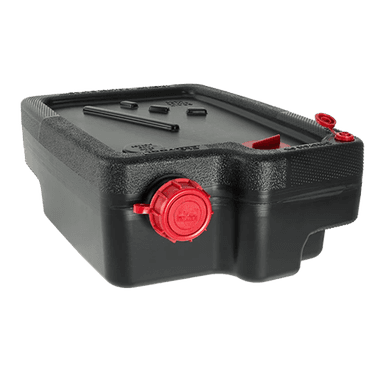
- Drain pan
- 10mm socket
- 13mm socket
- Torque wrench
- Ratchet
- Long extension
- Fluid transfer pump
- Funnel
- Plastic scraper
- Shop towels
- Safety glasses
- Nitrile gloves
🔩 Required Parts
HowToo sells all the parts you need for this repair:
- Automatic transmission fluid - Qty: 12 quarts
- Transmission filter - Qty: 1
- Transmission pan gasket - Qty: 1
- Transmission pan bolts - Qty: 1 set
- Transmission drain plug seal - Qty: 1
📋 Before You Begin
- Park on level ground and set the parking brake.
- Chock the rear wheels before lifting the truck.
- Let the transmission cool so the fluid is safe to drain.
- If equipped with a transmission temperature display, you will need it for the final fluid level check.
🔨 Step-by-Step Instructions
Follow these steps in order:
Step 1: Raise and secure the truck
- Use the floor jack to raise the truck.
- Support it with jack stands at the proper lift points.
- Make sure the truck sits level for accurate fluid level checking.
Step 2: Drain the transmission fluid
- Place the drain pan under the transmission pan.
- If the pan has a drain plug, use a 13mm socket to remove the plug and drain the fluid.
- If there is no drain plug, use a 13mm socket to loosen the pan bolts slowly and let fluid drain from one corner.
- Go slow to avoid a mess.
Step 3: Remove the transmission pan
- Use a 13mm socket to remove the remaining pan bolts.
- Lower the pan carefully and drain the rest of the fluid into the drain pan.
- Inspect the pan for metal debris. A small amount of gray paste is normal; chunks are not.
Step 4: Remove and replace the filter
- Use your hands to pull the old filter straight down.
- Remove the old seal if it stays in the valve body opening.
- Install the new transmission filter by pressing it in firmly.
Step 5: Clean and reinstall the pan
- Use a plastic scraper and shop towels to clean the pan and mating surface.
- Install the new transmission pan gasket.
- Reinstall the pan with the 13mm socket.
- Torque to 12 Nm (106 ft-lbs) if the service information for your pan bolt style confirms this value; tighten evenly in a crisscross pattern.
- If your pan uses a drain plug, install the new seal and tighten it to spec from the pan design.
Step 6: Add initial fluid fill
- Lower the truck enough to access the fill location safely.
- Use a fluid transfer pump to pump in about 7-8 quarts of the correct automatic transmission fluid.
- Reinstall the fill plug loosely if needed.
Step 7: Start, cycle, and warm the transmission
- Start the engine with the parking brake applied.
- Hold the brake pedal and slowly move the shifter through each gear position, pausing a few seconds in each.
- Return the shifter to Park.
- Let the transmission warm to the correct check temperature. If you have scan-tool access, check the transmission fluid temperature live.
Step 8: Set the final fluid level
- With the engine running, keep the truck level and use the fill plug to add fluid until a slight steady drip begins at the proper level-check point.
- Add fluid in small amounts with the fluid transfer pump.
- When the fluid is at the correct level, reinstall and tighten the fill plug.
- Torque to 18 Nm (13 ft-lbs) for the fill plug if equipped with a standard threaded plug design.
✅ After Repair
- Check under the truck for leaks with the engine running.
- Road test gently and make sure shifts feel normal.
- Recheck for leaks after the test drive.
- Dispose of used ATF properly at a recycling center or parts store that accepts waste fluid.
💰 DIY vs Shop Cost
Shop Cost: $250-$450 (parts + labor)
DIY Cost: $120-$220 (parts only)
You Save: $130-$230 by doing it yourself!
Shop labor rates vary but typically run $100-$150/hour. This repair takes a shop approximately 1.5-2.5 hours.
🎯 Ready to get started?
HowToo makes it easy: same-day/2-day shipping on every part, plus all the tools and specialty tools you need! Check out the parts and tools sections below to add everything to your cart.