
















How to Change Transmission Fluid on a 2009-2019 Ford Escape (Drain & Refill Guide) (Engine: Inline 4 2.0L)
Step-by-step drain-and-refill instructions with MERCON LV specs, required tools, safety tips, and temperature-based level check
How to Change Transmission Fluid on a 2009-2019 Ford Escape (Drain & Refill Guide) (Engine: Inline 4 2.0L)
Step-by-step drain-and-refill instructions with MERCON LV specs, required tools, safety tips, and temperature-based level check for 2009, 2010, 2011, 2012, 2013, 2014, 2015, 2016, 2017, 2018, 2019


🔧 Escape - Transmission Fluid Change
On your Escape, the safest DIY “transmission fluid change” is usually a drain-and-refill (not a flush). The tricky part is setting the fluid level correctly because it’s checked at a specific fluid temperature using a level/check plug setup.
Difficulty Level: Intermediate | Estimated Time: 1.5-3.0 hours
⚠️ Safety & Precautions
- 🛑 Work on a level surface; the fluid level check requires the Escape to be level.
- Transmission fluid can be hot; wear gloves and safety glasses.
- Use jack stands; never rely on a floor jack alone.
- Keep the engine running only when instructed; keep hands/clothes away from moving parts.
- No battery disconnect is typically required for a drain-and-refill.
🔧 Required Tools
You'll need the following tools for this repair:
- Floor jack (rated 3-ton minimum)
- Jack stands (rated 3-ton minimum)
- Wheel chocks
- Safety glasses
- Nitrile gloves
- Drain pan (10-quart minimum)
- Fluid transfer pump
- Clean funnel
- Trim clip remover
- Ratchet (3/8" drive)
- Socket set (metric)
- Torque wrench (10–80 ft-lbs range)
- Scan tool that reads transmission fluid temperature (TFT) (specialty)
- Shop rags
- Brake cleaner spray
🔩 Required Parts
HowToo sells all the parts you need for this repair:
- Automatic transmission fluid (MERCON LV) - Qty: 5 quarts
- Drain plug sealing washer (if equipped) - Qty: 1
📋 Before You Begin
- Chock the rear wheels and keep the Escape on level ground.
- Plan to raise the front and support it on jack stands, but keep the vehicle level side-to-side.
- You’ll need a way to monitor transmission fluid temperature (TFT). A scan tool is best; the level check is temperature-sensitive.
- Clean around plugs before loosening them.
🔨 Step-by-Step Instructions
Follow these steps in order:
Step 1: Confirm your fill and level-check locations
- Raise the front using a floor jack (rated 3-ton minimum) and support with jack stands (rated 3-ton minimum).
- Place a drain pan (10-quart minimum) under the transmission area.
- Use a flashlight (from your phone is fine) and visually locate:
- The fill point (usually a plug/cap on the transmission case in the engine bay area).
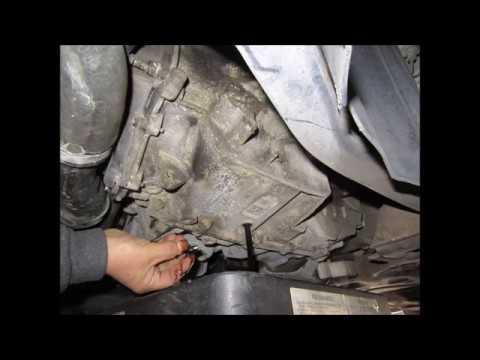
- The drain plug and the level/check plug setup (often at/near the transmission pan area).
- Stop here and answer the 2 questions below so I can give you the exact, correct plug steps and torque specs for your Escape.
Step 2: Get ready for the correct procedure (do not open plugs yet)
- Use brake cleaner spray and shop rags to clean around the suspected drain and check areas so no dirt falls in.
- Set up your scan tool that reads transmission fluid temperature (TFT) (specialty) so you can watch TFT during the final level check.
✅ After Repair
- After the correct fill/level-check is done, road test and verify normal shifting.
- Recheck for leaks after the test drive (look around the drain/check area).
- If you notice delayed engagement, flare shifts, or slipping, stop driving and recheck the fluid level procedure.
💰 DIY vs Shop Cost
Shop Cost: $220-$450 (parts + labor)
DIY Cost: $35-$90 (parts only)
You Save: $130-$360 by doing it yourself!
Shop labor rates vary but typically run $100-$150/hour. This repair takes a shop approximately 1.5-3.0 hours.
🎯 Ready to get started?
HowToo makes it easy: same-day/2-day shipping on every part, plus all the tools and specialty tools you need! Check out the parts and tools sections below to add everything to your cart.
Quick questions (reply with A/B + a photo if you can):
- 🔎 Q1: Do you see a dedicated drain plug on the transmission pan/case, or is there no drain plug (meaning the pan has to come off)?
- 🔎 Q2: For the “level check,” do you see a small check plug inside/near the drain area (standpipe style), or a separate check plug on the side of the transmission case?
If you upload a clear photo from under the front showing the transmission pan area, I’ll map the exact plugs, the correct temperature-based level check, and the correct torque specs for your Escape.
Guide for Automatic Transmission Fluid replace for these Ford vehicles
| Year Make Model | Sub Model | Engine | Body Style |
|---|---|---|---|
| 2019 Ford Escape | - | Inline 4 2.5L | - |
| 2019 Ford Escape | - | Inline 4 2.0L | - |
| 2019 Ford Escape | - | Inline 4 1.5L | - |
| 2018 Ford Escape | - | Inline 4 2.5L | - |
| 2018 Ford Escape | - | Inline 4 2.0L | - |
| 2018 Ford Escape | - | Inline 4 1.5L | - |
| 2017 Ford Escape | - | Inline 4 2.5L | - |
| 2017 Ford Escape | - | Inline 4 2.0L | - |
| 2017 Ford Escape | - | Inline 4 1.5L | - |
| 2016 Ford Escape | - | Inline 4 2.5L | - |
| 2016 Ford Escape | - | Inline 4 1.6L | - |
| 2016 Ford Escape | - | Inline 4 2.0L | - |
| 2015 Ford Escape | - | Inline 4 2.5L | - |
| 2015 Ford Escape | - | Inline 4 1.6L | - |
| 2015 Ford Escape | - | Inline 4 2.0L | - |
| 2014 Ford Escape | - | Inline 4 2.5L | - |
| 2014 Ford Escape | - | Inline 4 1.6L | - |
| 2014 Ford Escape | - | Inline 4 2.0L | - |
| 2013 Ford Escape | - | Inline 4 2.5L | - |
| 2013 Ford Escape | - | Inline 4 1.6L | - |
| 2013 Ford Escape | - | Inline 4 2.0L | - |
| 2012 Ford Escape | - | Inline 4 2.5L | - |
| 2012 Ford Escape | - | V6 3.0L | - |
| 2011 Ford Escape | - | Inline 4 2.5L | - |
| 2011 Ford Escape | - | V6 3.0L | - |
| 2010 Ford Escape | - | Inline 4 2.5L | - |
| 2010 Ford Escape | - | V6 3.0L | - |
| 2009 Ford Escape | - | Inline 4 2.5L | - |
| 2009 Ford Escape | - | V6 3.0L | - |