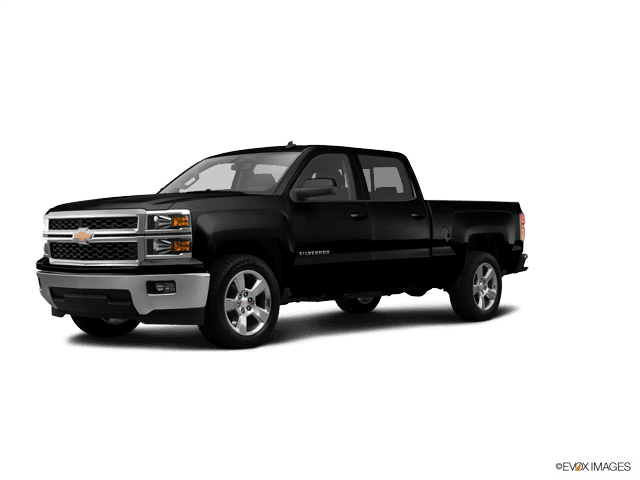
















How to Change Transmission Fluid & Filter on a 2014 Chevrolet Silverado 1500
Step-by-step pan drop service with tools, DEXRON-VI capacity, safety tips, and 106 in-lb torque specs for 2009, 2010, 2011, 2012, 2013
How to Change Transmission Fluid & Filter on a 2014 Chevrolet Silverado 1500
Step-by-step pan drop service with tools, DEXRON-VI capacity, safety tips, and 106 in-lb torque specs for 2009, 2010, 2011, 2012, 2013


🔧 Silverado 1500 - Transmission Fluid & Filter Change
This service replaces the transmission fluid in the pan and the internal filter. Fresh fluid helps shift quality and heat control, and a new filter helps protect the transmission from debris.
Difficulty Level: Intermediate | Estimated Time: 2-4 hours
⚠️ Safety & Precautions
- ⚠️ Support the truck with jack stands before going underneath.
- ⚠️ Transmission fluid can be hot; let it cool enough to work safely.
- ⚠️ Keep the truck level (front-to-back and side-to-side) for an accurate fluid level.
- ⚠️ Do not get dirt inside the transmission while the pan is off.
- ⚠️ Battery disconnect is not required for this service.
🔧 Required Tools
You'll need the following tools for this repair:
- Floor jack (rated 3-ton minimum)
- Jack stands (rated 3-ton minimum)
- Wheel chocks
- Safety glasses
- Nitrile gloves
- Drain pan (10-quart minimum)
- Socket set (8mm-15mm)
- 3/8" drive ratchet
- 3/8" drive torque wrench (inch-pound capable)
- Extensions (3" and 6")
- Trim/pick tool
- Plastic scraper
- Shop rags
- Brake cleaner spray
- Fluid transfer pump (specialty)
- OBD2 scan tool with transmission temp data (specialty)
🔩 Required Parts
HowToo sells all the parts you need for this repair:
- Automatic transmission filter - Qty: 1
- Transmission pan gasket - Qty: 1
- Automatic transmission fluid (DEXRON-VI) - Qty: 7-9 quarts
📋 Before You Begin
- Park on a level surface, set the parking brake, and chock the rear wheels.
- Drive 10-15 minutes to warm the transmission, then let it sit 5-10 minutes so it’s warm but not scorching.
- Raise the truck and place it securely on jack stands so it stays level.
- Connect your OBD2 scan tool and find transmission fluid temperature (often shown as “TFT”).
🔨 Step-by-Step Instructions
Follow these steps in order:
Step 1: Confirm how your transmission is filled/checked
- Look for a transmission dipstick (usually a yellow handle) in the engine bay.
- If there is a dipstick, you’ll do the final level check with it.
- If there is no dipstick, your transmission is “sealed” and you must level-check by temperature using the check plug. (A check plug is a small plug used to set the fluid level.)
Step 2: Position the drain pan and remove the transmission pan
- Place a drain pan under the transmission pan.
- Use a socket set (8mm-15mm) and 3/8" ratchet to loosen the pan bolts a few turns all around (do not remove all bolts yet).
- Leave a couple bolts at one end threaded in, then gently lower the opposite edge so fluid pours into the drain pan. Loosen slowly to avoid a mess.
- Remove the remaining bolts and lower the pan.
Step 3: Remove the old filter
- Pull the filter straight down by hand. If it’s tight, use a trim/pick tool carefully to help break it loose.
- Make sure the old filter seal (a rubber ring) comes out with the filter. If it stayed in the transmission, remove it with the trim/pick tool.
Step 4: Clean the pan and magnet
- Remove the magnet(s) from the pan and wipe them clean with shop rags.
- Clean the pan with brake cleaner spray and shop rags.
- Use a plastic scraper to remove any stuck gasket material (don’t gouge the metal).
Step 5: Install the new filter and gasket
- Push the new filter into place by hand until fully seated.
- Install the new pan gasket onto the pan (most are molded and will sit in a groove).
Step 6: Reinstall the pan and torque the bolts
- Lift the pan into place and hand-start all bolts.
- Tighten bolts evenly in a crisscross pattern using a 3/8" ratchet.
- Final-tighten using a torque wrench: Torque to 12 Nm (106 in-lbs).
Step 7: Add new transmission fluid
- Add fluid using a fluid transfer pump (specialty).
- If your transmission has a dipstick tube, you can add through the tube (you may still need the pump depending on your funnel setup).
- Start by adding about 5-6 quarts of DEXRON-VI.
Step 8: Initial run and circulate fluid
- Start the engine and keep your foot on the brake.
- Slowly move the shifter through each gear (P-R-N-D and lower ranges), pausing 2-3 seconds in each, then return to Park.
- Keep the engine idling.
Step 9: Set the final fluid level (choose the method that matches your truck)
- Method A (with dipstick):
- With the engine idling and the truck level, check the dipstick and add fluid in small amounts.
- Re-check until it reaches the correct range on the dipstick for warm operation.
- Method B (sealed/no dipstick, temperature-based):
- Use the OBD2 scan tool (specialty) to monitor TFT.
- When TFT is in the normal level-check window (about 30°C to 50°C / 86°F to 122°F), remove the level/check plug using your socket set (8mm-15mm).
- A small steady drip is correct. If nothing comes out, pump in DEXRON-VI with the fluid transfer pump until it just starts to drip.
- Reinstall the check plug and tighten snugly (do not over-tighten). Small plug strips easily.
Step 10: Clean up and inspect for leaks
- Spray any spilled fluid off with brake cleaner spray and wipe with shop rags.
- With the engine running, look around the pan gasket area for leaks.
✅ After Repair
- Test drive 10-15 minutes. Verify normal upshifts/downshifts and no slipping.
- Park on level ground and re-check the level (dipstick method or temperature/check-plug method).
- Re-check for leaks around the pan after the test drive.
- Dispose of used ATF responsibly (most parts stores accept it).
💰 DIY vs Shop Cost
Shop Cost: $250-$450 (parts + labor)
DIY Cost: $70-$160 (parts only)
You Save: $180-$290 by doing it yourself!
Shop labor rates vary but typically run $100-$150/hour. This repair takes a shop approximately 2-3 hours.
🎯 Ready to get started?
HowToo makes it easy: same-day/2-day shipping on every part, plus all the tools and specialty tools you need! Check out the parts and tools sections below to add everything to your cart.