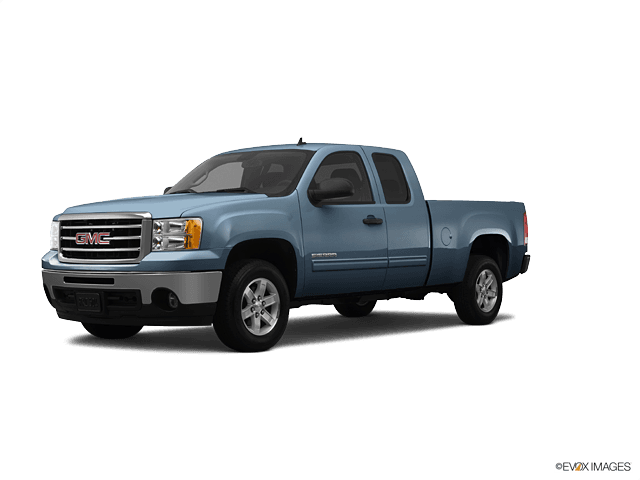
















How to Change Transmission Fluid & Filter on a 2012 GMC Sierra 1500 (DEXRON-VI)
Step-by-step pan drop, filter swap, refill, and correct fluid-level check for 4L60 & 6L80 for 2007, 2008, 2009, 2010, 2011, 2012, 2013, 2014, 2015, 2016, 2017, 2018, 2019, 2020, 2021
How to Change Transmission Fluid & Filter on a 2012 GMC Sierra 1500 (DEXRON-VI)
Step-by-step pan drop, filter swap, refill, and correct fluid-level check for 4L60 & 6L80 for 2007, 2008, 2009, 2010, 2011, 2012, 2013, 2014, 2015, 2016, 2017, 2018, 2019, 2020, 2021


🔧 Sierra 1500 - Transmission Fluid & Filter Change
On your Sierra 1500, a proper “transmission fluid change” usually means dropping the transmission pan, replacing the filter, and refilling with the correct GM fluid. The critical part is setting the fluid level at the correct temperature on level ground—too much or too little can cause shifting problems.
Difficulty Level: Intermediate | Estimated Time: 2-4 hours
⚠️ Safety & Precautions
- ⚠️ Work on a level surface; the truck must be level to set fluid level correctly.
- ⚠️ Transmission fluid can be hot; let it cool enough to avoid burns.
- ⚠️ Support the truck with jack stands; never rely on a jack.
- ⚠️ Keep dirt out of the open transmission; clean around plugs/pan first.
🔧 Required Tools
You'll need the following tools for this repair:
- Floor jack (rated 3-ton minimum)
- Jack stands (rated 3-ton minimum)
- Wheel chocks
- Safety glasses
- Nitrile gloves
- Drain pan (10-quart minimum)
- Brake cleaner spray
- Shop rags
- Metric socket set (8mm–15mm)
- 3/8" drive ratchet
- 6" extension (3/8" drive)
- Torque wrench (inch-pound)
- Torque wrench (ft-lb)
- Plastic scraper
- Fluid transfer pump (hand pump) (specialty)
- Scan tool with Transmission Fluid Temperature data (specialty)
🔩 Required Parts
HowToo sells all the parts you need for this repair:
- Automatic transmission filter kit (filter + pan gasket) - Qty: 1
- Automatic transmission fluid (DEXRON-VI) - Qty: 5-8 quarts
📋 Before You Begin
- Park on a flat, level surface and chock the wheels.
- Warm the transmission slightly with a 10–15 minute drive so the fluid flows out better.
- Confirm which transmission you have, because the level-check method differs:
- If your shifter has M and +/- manual range control, you typically have the 6-speed (6L80).
- If you do not have that manual +/- feature, you may have the 4-speed (4L60-type).
- Tip: Always loosen the fill plug first.
🔨 Step-by-Step Instructions
Follow these steps in order:
Step 1: Raise and level the truck
- Use a floor jack (rated 3-ton minimum) to lift the front and rear as needed.
- Set the truck securely on jack stands (rated 3-ton minimum) so it sits level.
- Place wheel chocks at the tires still on the ground.
Step 2: Clean the work area
- Use brake cleaner spray and shop rags to clean around the transmission pan rail and any plugs.
- This helps keep grit from falling into the transmission when the pan comes off.
Step 3: Locate the fill plug and make sure it will open
- Place your drain pan (10-quart minimum) underneath.
- Use your metric socket set (8mm–15mm) and 3/8" drive ratchet to loosen (but not fully remove) the fill plug.
- If the fill plug is seized and won’t loosen, stop here—don’t drain the transmission until you know you can refill it.
Step 4: Drain fluid and remove the transmission pan
- If your pan has a drain plug, remove it using your metric socket set (8mm–15mm) and let it drain into the drain pan (10-quart minimum).
- If there is no drain plug, use the metric socket set (8mm–15mm), 3/8" drive ratchet, and a 6" extension (3/8" drive) to loosen the pan bolts slowly, leaving a couple bolts threaded at one end so you can “tip” the pan and control the spill.
- Support the pan with one hand as the last bolts come out, then lower it into the drain pan (10-quart minimum).
Step 5: Replace the filter
- Pull the old filter straight down by hand. Some fluid will spill—keep the drain pan (10-quart minimum) underneath.
- Make sure the old filter seal (a rubber O-ring) came out with the filter. If it’s stuck in the bore, remove it carefully by hand.
- Lubricate the new filter seal with fresh DEXRON-VI and push the new filter in firmly by hand until fully seated.
Step 6: Clean the pan and reinstall with the new gasket
- Clean the pan and magnet using brake cleaner spray and shop rags.
- Use a plastic scraper to remove any old gasket material stuck to the pan (if applicable). Do not gouge the sealing surface.
- Position the new gasket and install the pan bolts finger-tight.
- Tighten pan bolts evenly in a crisscross pattern using a torque wrench (inch-pound): Torque to 12 Nm (106 in-lb).
Step 7: Refill with DEXRON-VI
- Use a fluid transfer pump (hand pump) (specialty) to pump DEXRON-VI into the fill hole.
- Add fluid until it begins to approach the full mark method for your transmission type (next step).
Step 8: Set the final fluid level (this is the “make-or-break” step)
- Connect your scan tool with Transmission Fluid Temperature data (specialty) and monitor transmission fluid temperature (TFT).
- A “check plug” (also called an overflow or level control plug) is a small plug used to set level—when the fluid is at the correct level and temperature, it will barely drip from this port.
Step 9: Final level check path A (6-speed 6L80 style level check)
- Start the engine and keep the truck level on the jack stands (rated 3-ton minimum).
- With your foot on the brake, move the shifter slowly through P-R-N-D-M and back to P, pausing 2–3 seconds in each range.
- When TFT is in the correct check range on your scan tool, remove the pan level/check plug using your metric socket set (8mm–15mm) and 3/8" drive ratchet.
- Correct result: a thin stream that becomes a slow drip, then stops.
- If nothing comes out, add fluid with the fluid transfer pump (hand pump) (specialty) until it just begins to drip.
- Reinstall the check plug and tighten using a torque wrench (ft-lb) to the spec for your plug style per the filter kit/service info.
Step 10: Final level check path B (4-speed 4L60 style dipstick/check method)
- If your transmission has a dipstick, reinstall it fully, start the engine, and bring the transmission up to operating temp while watching your scan tool with Transmission Fluid Temperature data (specialty).
- With the engine idling in P, pull the dipstick, wipe it with shop rags, reinsert, then read level.
- Add fluid in small amounts using the fluid transfer pump (hand pump) (specialty) and recheck until it reaches the correct HOT range.
Step 11: Reinstall plugs and clean up
- Reinstall/tighten the fill plug using your metric socket set (8mm–15mm) and 3/8" drive ratchet.
- Spray off any spilled fluid using brake cleaner spray and wipe with shop rags.
✅ After Repair
- Start the engine and check for leaks around the pan gasket and any plugs.
- Test drive 10–15 minutes, then recheck for leaks.
- If you used the overflow/check-plug method, recheck level again at the correct temperature range using the scan tool with Transmission Fluid Temperature data (specialty).
- Dispose of used ATF responsibly (most parts stores accept waste fluid).
💰 DIY vs Shop Cost
Shop Cost: ₹9,000-₹20,000 (parts + labor)
DIY Cost: ₹3,500-₹9,500 (parts only)
You Save: ₹5,500-₹10,500 by doing it yourself!
Local labor rates vary; this job is typically 2-4 hours.
🎯 Ready to get started?
HowToo makes it easy: same-day/2-day shipping on every part, plus all the tools and specialty tools you need! Check out the parts and tools sections below to add everything to your cart.