









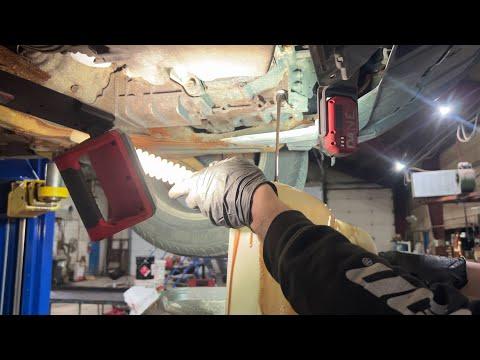







How to Change Transmission Fluid (Drain & Refill) on a 2011 Honda CR-V
Step-by-step DIY guide with Honda ATF DW-1, tools list, drain plug torque spec, and level check tips
How to Change Transmission Fluid (Drain & Refill) on a 2011 Honda CR-V
Step-by-step DIY guide with Honda ATF DW-1, tools list, drain plug torque spec, and level check tips


🔧 CR-V - Transmission Fluid Drain & Refill
This service replaces a portion of your CR-V’s automatic transmission fluid by draining it from the transmission pan and refilling through the dipstick tube. A drain-and-refill is the safest DIY method and helps restore smooth shifting and transmission life.
Difficulty Level: Beginner | Estimated Time: 1-2 hours
⚠️ Safety & Precautions
- 🛑 Work on level ground and support the CR-V with jack stands before going underneath.
- 🔥 Transmission fluid can be hot—let it cool if you just drove.
- 🧤 Wear gloves and safety glasses; ATF is slippery and messy.
- ⚙️ Do not confuse this with rear differential fluid (your 4WD has separate fluids).
- 🔋 Battery disconnect is not required.
🔧 Required Tools
You'll need the following tools for this repair:
- Floor jack (rated 2-ton minimum)
- Jack stands (rated 2-ton minimum)
- Wheel chocks
- Safety glasses
- Nitrile gloves
- Drain pan (8-quart minimum)
- 3/8" drive ratchet
- 3/8" drive torque wrench (10-100 ft-lbs range)
- Funnel with long neck
- Clean shop rags
- Measuring container (at least 4 quarts)
🔩 Required Parts
HowToo sells all the parts you need for this repair:
- Honda-spec automatic transmission fluid (ATF DW-1 equivalent) - Qty: 4 quarts
- Automatic transmission drain plug crush washer - Qty: 1
📋 Before You Begin
- Park on a level surface, set the parking brake, and place wheel chocks behind the rear wheels.
- Warm the transmission slightly with a 5–10 minute drive, then shut the engine off and let things cool a few minutes. Warm fluid drains faster.
- Lift the front with a floor jack and support with jack stands at the proper lift points.
- Open the hood and locate the transmission dipstick so you know where you’ll refill.
🔨 Step-by-Step Instructions
Follow these steps in order:
Step 1: Locate the transmission drain plug
- Slide your drain pan (8-quart minimum) under the transmission.
- Find the transmission drain plug on the transmission case (it uses a square recess).
- Use a clean shop rag to wipe dirt around the plug so none falls inside.
Step 2: Drain the old transmission fluid
- Use a 3/8" drive ratchet inserted directly into the drain plug (no socket needed) to loosen it.
- Finish unthreading by hand and let the fluid drain fully into the pan.
- Pour the drained fluid into a measuring container (at least 4 quarts) so you know how much to add back.
Step 3: Replace the crush washer and reinstall the drain plug
- Remove the old washer from the drain plug and install the new automatic transmission drain plug crush washer.
- Thread the drain plug in by hand until snug (prevents cross-threading).
- Use a 3/8" drive torque wrench to tighten: Torque to 49 Nm (36 ft-lbs).
Step 4: Refill through the dipstick tube
- Under the hood, remove the transmission dipstick and set it on a clean shop rag.
- Insert a funnel with long neck into the dipstick tube.
- Add the same amount you measured out, using Honda-spec automatic transmission fluid (ATF DW-1 equivalent). Add slowly to avoid spills.
- Reinstall the dipstick fully.
Step 5: Circulate fluid and check the level
- Start the engine.
- With your foot on the brake, shift slowly through P-R-N-D-2-1, pausing 2–3 seconds in each position, then return to P.
- Shut the engine off and wait about 60 seconds.
- Pull the dipstick, wipe it with a clean shop rag, reinsert fully, then pull again to read the level.
- If low, add small amounts using the funnel with long neck, then recheck. Do not overfill.
Step 6: Lower the CR-V and do a final leak check
- Remove tools from under the CR-V.
- Use the floor jack (rated 2-ton minimum) to lift slightly, remove the jack stands, then lower to the ground.
- Look underneath for any fresh drips at the drain plug area.
✅ After Repair
- Take a 10–15 minute test drive and confirm shifting feels normal (no slipping or harsh shifts).
- Park on level ground and recheck the dipstick level again using a clean shop rag.
- Inspect the drain plug area for seepage over the next day.
- If the fluid was very dark/burnt, consider doing 2 more drain-and-refills a few days apart to gradually refresh more of the fluid.
💰 DIY vs Shop Cost
Shop Cost: $180-$320 (parts + labor)
DIY Cost: $35-$80 (parts only)
You Save: $100-$250 by doing it yourself!
Shop labor rates vary but typically run $100-$150/hour. This repair takes a shop approximately 1-1.5 hours.
🎯 Ready to get started?
HowToo makes it easy: same-day/2-day shipping on every part, plus all the tools and specialty tools you need! Check out the parts and tools sections below to add everything to your cart.
Guide for Automatic Transmission Fluid replace for these Honda vehicles
| Year Make Model | Sub Model | Engine | Body Style |
|---|