









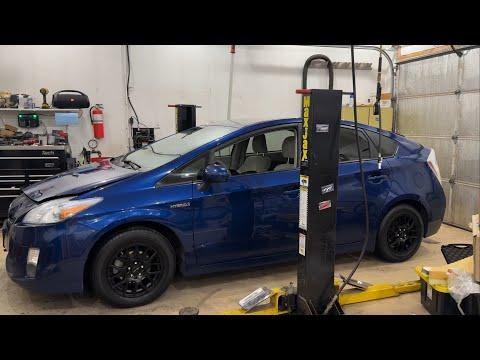







How to Change Transaxle (CVT) Fluid on a 2014 Toyota Prius (ATF WS)
Step-by-step drain-and-fill guide with tools, parts, fill procedure, and 29 ft-lb torque specs for 2001, 2002, 2003, 2004, 2005, 2006, 2007, 2008, 2009, 2010, 2011, 2012, 2013, 2014, 2015, 2016, 2017, 2018, 2019, 2020, 2021, 2022, 2023, 2024
How to Change Transaxle (CVT) Fluid on a 2014 Toyota Prius (ATF WS)
Step-by-step drain-and-fill guide with tools, parts, fill procedure, and 29 ft-lb torque specs for 2001, 2002, 2003, 2004, 2005, 2006, 2007, 2008, 2009, 2010, 2011, 2012, 2013, 2014, 2015, 2016, 2017, 2018, 2019, 2020, 2021, 2022, 2023, 2024


🔧 Prius - Transmission Fluid Change
Your Prius uses a sealed hybrid transaxle (CVT-style) with no dipstick, so fluid service is done by draining and refilling through plugs. The key is keeping the car perfectly level and filling until fluid just starts to dribble out of the fill hole.
Difficulty Level: Intermediate | Estimated Time: 1.0-2.0 hours
Assumption: stock transaxle using Toyota ATF WS.
⚠️ Safety & Precautions
- 🛑 Support the car on jack stands on a level surface; never rely on a jack alone.
- 🛑 Make sure the car is OFF (not in READY) and keep the key fob away from the car.
- 🛑 Let the transaxle cool before starting; hot ATF can burn you.
- 🛑 Avoid touching any orange high-voltage cables; this job does not require HV service.
- 🛑 No battery disconnect is required for this service.
🔧 Required Tools
You'll need the following tools for this repair:
- Floor jack (rated 3-ton minimum)
- Jack stands (rated 3-ton minimum)
- Wheel chocks
- Safety glasses
- Nitrile gloves
- Drain pan (8-quart minimum)
- Ratchet (3/8")
- Torque wrench (10–80 ft-lbs range)
- 10mm socket
- Trim clip removal tool
- 10mm hex bit socket
- Fluid transfer pump (specialty)
- Shop rags
🔩 Required Parts
HowToo sells all the parts you need for this repair:
- Toyota ATF WS automatic transmission fluid - Qty: 4 quarts
- Transaxle drain plug crush washer - Qty: 1
- Transaxle fill plug crush washer - Qty: 1
- Engine under cover retainer clips - Qty: 2
📋 Before You Begin
- Park on a level surface, apply the parking brake, and place wheel chocks behind the rear tires.
- Raise the front and support it on jack stands; for best accuracy, keep the car as level as possible.
- Gather your fluid transfer pump (a hand pump that pushes fluid from the bottle into the fill hole).
- Put on safety glasses and gloves.
🔨 Step-by-Step Instructions
Follow these steps in order:
Step 1: Remove the lower engine cover
- Use a floor jack (rated 3-ton minimum) and jack stands (rated 3-ton minimum) to safely support the car.
- Use a 10mm socket and ratchet (3/8") to remove the under-cover bolts.
- Use a trim clip removal tool to pop out any plastic retainers without breaking them.
- Set the cover and fasteners aside in a tray.
Step 2: Locate the fill and drain plugs
- Find the transaxle fill plug on the front/side of the transaxle case and the drain plug on the bottom.
- Both typically use a 10mm hex bit socket.
- Always loosen the fill plug first.
Step 3: Loosen and remove the fill plug (first)
- Place a drain pan (8-quart minimum) underneath as a precaution.
- Use a 10mm hex bit socket with a ratchet (3/8") to break the fill plug loose and remove it.
- Wipe the area with shop rags.
Step 4: Drain the old transaxle fluid
- Position the drain pan (8-quart minimum) directly under the drain plug.
- Use a 10mm hex bit socket with a ratchet (3/8") to remove the drain plug.
- Let the fluid drain until it slows to an occasional drip (usually 10–20 minutes).
- Clean the drain plug and wipe the sealing surface on the case using shop rags.
- Replace the old crush washer (a soft metal washer that deforms to seal) on the drain plug.
Step 5: Reinstall and torque the drain plug
- Thread the drain plug in by hand to avoid cross-threading.
- Use a torque wrench (10–80 ft-lbs range) with a 10mm hex bit socket.
- Torque to 39 Nm (29 ft-lbs).
Step 6: Fill the transaxle with new ATF WS
- Install your fluid transfer pump (specialty) onto a bottle of Toyota ATF WS automatic transmission fluid.
- Pump fluid into the fill hole until it begins to run back out in a steady dribble.
- Wait 1–2 minutes for the level to stabilize, then add more if needed until it dribbles again.
- Keep the car level for an accurate fill.
Step 7: Reinstall and torque the fill plug
- Put a new crush washer on the fill plug.
- Thread the fill plug in by hand.
- Use a torque wrench (10–80 ft-lbs range) with a 10mm hex bit socket.
- Torque to 39 Nm (29 ft-lbs).
- Wipe everything clean with shop rags so leaks are easy to spot.
Step 8: Reinstall the lower engine cover
- Reposition the cover under the car.
- Use a 10mm socket and ratchet (3/8") to reinstall bolts.
- Use a trim clip removal tool to reinstall clips (replace broken ones).
✅ After Repair
- Start the Prius and verify it operates normally.
- Check underneath for any seepage around the fill and drain plugs.
- Take a 10–15 minute test drive, then recheck for leaks on a clean, level spot.
- Dispose of old ATF at a recycling center or parts store that accepts used fluids.
💰 DIY vs Shop Cost
Shop Cost: $220-$450 (parts + labor)
DIY Cost: $40-$90 (parts only)
You Save: $180-$360 by doing it yourself!
Shop labor rates vary but typically run $100-$150/hour. This repair takes a shop approximately 1.0-1.5 hours.
🎯 Ready to get started?
HowToo makes it easy: same-day/2-day shipping on every part, plus all the tools and specialty tools you need! Check out the parts and tools sections below to add everything to your cart.