















How to Change the Transmission Fluid on a 2017 Toyota RAV4 Hybrid
Step-by-step drain-and-fill guide with tools, fluid specs, torque settings, and safety tips for 2016, 2017, 2018, 2019, 2020, 2021, 2022, 2023, 2024, 2025
How to Change the Transmission Fluid on a 2017 Toyota RAV4 Hybrid
Step-by-step drain-and-fill guide with tools, fluid specs, torque settings, and safety tips for 2016, 2017, 2018, 2019, 2020, 2021, 2022, 2023, 2024, 2025


🔧 Transmission Fluid - Drain and Fill
Your RAV4 uses Toyota’s hybrid eCVT, not a conventional belt CVT. The service is a drain-and-fill only, and the fluid level must be set at the correct temperature for an accurate fill. Fresh fluid helps protect the transaxle and keeps operation smooth.
Difficulty Level: Intermediate | Estimated Time: 1.5-2.5 hours
⚠️ Safety & Precautions
- Work on a level surface with the vehicle securely supported on jack stands.
- The transaxle fluid can be hot; let the vehicle cool before draining.
- Do not overfill. This unit must be filled to the correct overflow level.
- Use only the specified Toyota automatic transmission fluid type for this hybrid transaxle.
- Battery disconnect is not required for a fluid change.
🔧 Required Tools
You'll need the following tools for this repair:
- Jack rated 3-ton minimum
- Jack stands rated 3-ton minimum
- Wheel chocks
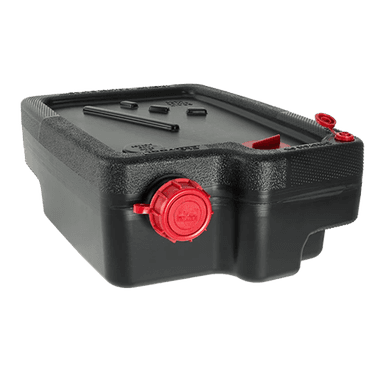
- Drain pan
- 3/8-inch drive ratchet
- 10mm socket
- Hex/Allen socket for fill plug
- Hex/Allen socket for drain plug
- Torque wrench
- Fluid transfer pump
- Fluid catch bottle
- Funnel
- Safety glasses
- Nitrile gloves
🔩 Required Parts
HowToo sells all the parts you need for this repair:
- ATF WS transmission fluid - Qty: 4 quarts
- Drain plug gasket - Qty: 1
- Fill plug gasket - Qty: 1
📋 Before You Begin
- Park on level ground and set the parking brake.
- Let the vehicle sit until the transaxle is warm, not hot.
- Raise and support the vehicle so it sits level.
- Keep the car level for an accurate fill.
🔨 Step-by-Step Instructions
Follow these steps in order:
Step 1: Raise and secure the vehicle
- Use the jack to lift the vehicle and place it on jack stands.
- Chock the rear wheels if lifting the front, or chock the front wheels if lifting the rear.
- Make sure the vehicle is level side-to-side and front-to-back.
Step 2: Remove the under cover
- Use the 10mm socket to remove the lower engine/transaxle cover fasteners.
- Set the cover and fasteners aside in order.
Step 3: Loosen the fill plug first
- Use the hex/Allen socket for fill plug to crack the fill plug loose before draining.
- This confirms you can refill the unit before you empty it.
Step 4: Drain the transaxle fluid
- Place the drain pan under the drain plug.
- Use the hex/Allen socket for drain plug to remove the drain plug.
- Let the fluid drain fully.
- Install a new drain plug gasket.
- Torque to 49 Nm (36 ft-lbs).
Step 5: Reinstall the drain plug
- Thread the drain plug in by hand first.
- Use the torque wrench with the hex/Allen socket for drain plug.
- Torque to 49 Nm (36 ft-lbs).
Step 6: Fill with new fluid
- Use the fluid transfer pump to add ATF WS transmission fluid through the fill hole.
- Add fluid until it begins to run back out of the fill opening.
- Install a new fill plug gasket loosely for now.
Step 7: Set the fluid level correctly
- Start the vehicle and let it idle.
- Shift through the gear positions slowly, then return to Park.
- Warm the transaxle fluid to the correct level-check temperature.
- Use a scan tool if available to monitor fluid temperature for the most accurate level set.
- With the vehicle level, remove the fill plug again and top off until fluid just dribbles from the opening.
- Only a slight dribble is correct.
Step 8: Install the fill plug
- Install the fill plug with the new gasket.
- Use the torque wrench and hex/Allen socket for fill plug.
- Torque to 49 Nm (36 ft-lbs).
Step 9: Reinstall the under cover
- Use the 10mm socket to reinstall the under cover fasteners.
- Make sure all clips and bolts are secure.
✅ After Repair
- Start the vehicle and check for leaks at both plugs.
- Test drive gently and confirm normal hybrid transaxle operation.
- Recheck under the vehicle after the road test.
- Dispose of used fluid properly at a recycling center.
💰 DIY vs Shop Cost
Shop Cost: $180-$320 (parts + labor)
DIY Cost: $45-$90 (parts only)
You Save: $135-$230 by doing it yourself!
Shop labor rates vary but typically run $100-$150/hour. This repair takes a shop approximately 1-2 hours.
🎯 Ready to get started?
HowToo makes it easy: same-day/2-day shipping on every part, plus all the tools and specialty tools you need! Check out the parts and tools sections below to add everything to your cart.