









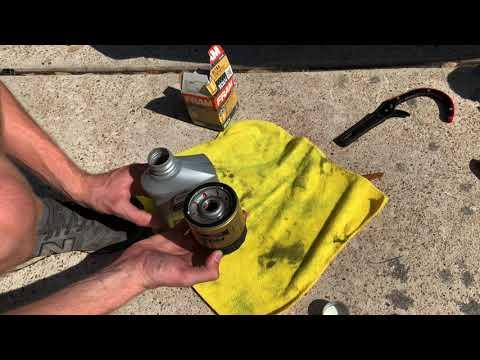







How to Change Engine Oil & Replace the Oil Filter on a 2016 Ford Fusion
Step-by-step DIY oil change guide with tools, parts list, oil capacity, torque specs, and oil life reset
How to Change Engine Oil & Replace the Oil Filter on a 2016 Ford Fusion
Step-by-step DIY oil change guide with tools, parts list, oil capacity, torque specs, and oil life reset


🔧 Fusion - Engine Oil & Oil Filter Replacement
Changing the engine oil and oil filter keeps your Fusion’s engine lubricated and removes contaminants that cause wear. You’ll drain the old oil, replace the filter, then refill with the correct oil and reset the oil life monitor.
Difficulty Level: Beginner | Estimated Time: 1-2 hours
⚠️ Safety & Precautions
- ⚠️ Work on a level surface and use jack stands—never rely on a floor jack alone.
- ⚠️ Hot oil can burn you; let the engine cool 10-20 minutes before draining.
- ⚠️ Keep oil off belts, hoses, and electrical connectors; wipe spills immediately.
- ⚠️ Dispose of used oil and the filter properly at a recycling center/parts store.
- ⚠️ Battery disconnect is not required for this service.
🔧 Required Tools
You'll need the following tools for this repair:
- Floor jack (rated 3-ton minimum)
- Jack stands (rated 3-ton minimum)
- Wheel chocks
- Safety glasses
- Nitrile gloves
- Drain pan (8-quart minimum)
- Funnel
- Ratchet
- 15mm socket
- Torque wrench (10-80 Nm range)
- Oil filter wrench
- 7mm socket
- Trim clip removal tool
- Shop towels
🔩 Required Parts
HowToo sells all the parts you need for this repair:
- Engine oil (SAE 5W-20, Ford spec) - Qty: 6 quarts
- Oil filter - Qty: 1
- Drain plug gasket - Qty: 1
📋 Before You Begin
- Park on level ground, shift to P, set the parking brake, and place wheel chocks behind the rear wheels.
- Warm the engine 2-3 minutes, then shut it off and let it cool 10-20 minutes so the oil drains well but isn’t scalding hot.
- If equipped with a lower splash shield, you may need to remove or open its access panel to reach the drain plug and filter.
- Have all oil and tools ready first.
🔨 Step-by-Step Instructions
Follow these steps in order:
Step 1: Lift and support the front safely
- Place wheel chocks behind the rear tires.
- Use a floor jack (rated 3-ton minimum) to lift the front of the car at the front center jacking point.
- Set the car onto jack stands (rated 3-ton minimum) at the proper support points.
- Give the car a gentle push to confirm it’s stable before getting underneath.
Step 2: Remove or open the lower splash shield (if equipped)
- Use a 7mm socket to remove any small bolts holding the shield/access door.
- Use a trim clip removal tool (a small pry tool for plastic fasteners) to pop out any plastic clips without breaking them.
- Move the shield aside to access the oil drain plug and oil filter.
Step 3: Drain the old engine oil
- Position your drain pan (8-quart minimum) under the oil pan drain plug.
- Use a 15mm socket with a ratchet to loosen the drain plug, then finish removing it by hand.
- Let the oil drain until it slows to an occasional drip (usually 5-10 minutes).
- Clean the drain plug and replace the drain plug gasket if your Fusion uses one.
Step 4: Reinstall and torque the drain plug
- Thread the drain plug in by hand first to avoid cross-threading.
- Use a torque wrench (10-80 Nm range) (a tool that tightens to an exact setting) with a 15mm socket.
- Torque to 28 Nm (21 ft-lbs).
- Do not overtighten—oil pans strip easily.
Step 5: Remove the oil filter
- Move the drain pan (8-quart minimum) under the oil filter area; more oil will spill when the filter comes off.
- Use an oil filter wrench (a tool that grips the filter can) to loosen the oil filter.
- Spin the filter off by hand and keep it upright as you remove it.
- Use shop towels to wipe the filter mounting surface clean.
- Make sure the old rubber gasket came off with the old filter (no gasket stuck to the engine).
Step 6: Install the new oil filter
- Put a light film of fresh oil on the new filter’s rubber gasket.
- Thread the new filter on by hand until the gasket contacts the mounting surface.
- Tighten by hand an additional 3/4 turn after gasket contact (no tools for final tightening).
- Hand-tight is correct for most spin-on filters.
Step 7: Reinstall the splash shield (if removed)
- Reposition the shield.
- Reinstall fasteners using the 7mm socket and any clips with the trim clip removal tool.
Step 8: Refill with new engine oil
- Lower the car off the jack stands using the floor jack (rated 3-ton minimum).
- Open the hood and remove the oil fill cap.
- Use a funnel and add SAE 5W-20 oil.
- Add about 5.5 quarts first, then you’ll top off after checking the dipstick.
- Reinstall the oil fill cap.
Step 9: Start, check for leaks, and set final oil level
- Start the engine and let it idle for 30-60 seconds.
- Shut the engine off and wait 5 minutes for oil to settle.
- Check underneath for leaks at the drain plug and oil filter.
- Pull the dipstick, wipe it with shop towels, reinsert fully, then recheck.
- Top off as needed to reach the full mark (typical total capacity with filter is about 5.7 quarts).
Step 10: Reset the oil life monitor
- Turn the ignition to ON (engine off).
- Use the steering wheel buttons to navigate the cluster menu: Settings > Vehicle > Oil Life Reset.
- Press and hold OK to reset to 100%.
✅ After Repair
- Recheck the dipstick the next day (cold engine, level ground) and top off if needed.
- Look under the car after your first drive to confirm no seepage at the filter or drain plug.
- Pour used oil into the empty oil bottles and recycle the oil and filter.
💰 DIY vs Shop Cost
Shop Cost: $90-$160 (parts + labor)
DIY Cost: $35-$70 (parts only)
You Save: $55-$90 by doing it yourself!
Shop labor rates vary but typically run $100-$150/hour. This repair takes a shop approximately 0.7-1.0 hours.
🎯 Ready to get started?
HowToo makes it easy: same-day/2-day shipping on every part, plus all the tools and specialty tools you need! Check out the parts and tools sections below to add everything to your cart.