









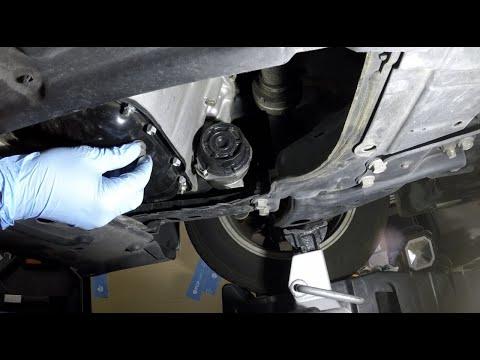







How to Change Engine Oil & Oil Filter on a 2014 Toyota Prius 1.8L (Cartridge Filter)
Step-by-step DIY oil change with required tools, parts list, oil capacity, and torque specs for 2010, 2011, 2012, 2013, 2014, 2015, 2016, 2017, 2018
How to Change Engine Oil & Oil Filter on a 2014 Toyota Prius 1.8L (Cartridge Filter)
Step-by-step DIY oil change with required tools, parts list, oil capacity, and torque specs for 2010, 2011, 2012, 2013, 2014, 2015, 2016, 2017, 2018


🔧 Prius - Engine Oil & Oil Filter Change
On your Prius, an oil change replaces the old engine oil and the oil filter element so the engine stays protected and clean. The filter is a cartridge style in a reusable housing, so you replace the inner filter and O-rings rather than the whole housing.
Difficulty Level: Beginner | Estimated Time: 1.0-1.5 hours
Assumption: stock 1.8L oil filter housing (cartridge type).
⚠️ Safety & Precautions
- ⚠️ Work on a level surface and support the car with jack stands before going underneath.
- ⚠️ Engine oil can be very hot. Let the engine cool 15–30 minutes if it was just driven.
- ⚠️ Keep the car OFF (not READY) while you’re underneath to prevent the engine from starting automatically.
- ⚠️ Wear safety glasses and nitrile gloves to avoid oil splashes.
🔧 Required Tools
You'll need the following tools for this repair:
- Floor jack (rated 3-ton minimum)
- Jack stands (rated 3-ton minimum)
- Wheel chocks
- Safety glasses
- Nitrile gloves
- 10mm socket
- Ratchet (3/8")
- 14mm socket
- Torque wrench (3/8")
- Trim clip removal tool
- Oil drain pan (at least 7-quart)
- Funnel
- Shop rags
- 64mm 14-flute oil filter cap wrench (specialty)
- Oil filter housing drain tool (specialty)
🔩 Required Parts
HowToo sells all the parts you need for this repair:
- Engine oil (0W-20 full synthetic) - Qty: 5 quarts
- Oil filter element (cartridge style) - Qty: 1
- Oil filter housing O-ring set - Qty: 1
- Engine oil drain plug crush washer - Qty: 1
📋 Before You Begin
- Park on level ground, shift to P, and set the parking brake.
- Make sure the car is OFF (not READY) before lifting and before going underneath.
- Chock the rear wheels with wheel chocks.
- Gather your oil and filter parts first—once you start draining, you’ll want everything ready.
🔨 Step-by-Step Instructions
Follow these steps in order:
Step 1: Lift and support the front of the car
- Place wheel chocks behind the rear tires.
- Use a floor jack (rated 3-ton minimum) to lift the front at the proper front center jacking point.
- Set the car onto jack stands (rated 3-ton minimum).
- Give the car a gentle shake to confirm it’s stable before crawling under.
Step 2: Remove the engine undercover access panel
- Slide your oil drain pan under the engine area.
- Use a 10mm socket and ratchet to remove the bolts that hold the service flap/undercover section.
- Use a trim clip removal tool to pop out any plastic clips (a clip tool prevents breaking them).
- Fold down or remove the access panel so you can reach the drain plug and filter housing.
Step 3: Drain the engine oil
- Position the oil drain pan directly under the oil pan drain plug.
- Use a 14mm socket and ratchet to loosen the drain plug, then remove it by hand.
- Let the oil drain until it slows to an occasional drip (usually 5–10 minutes).
- Remove the old crush washer from the drain plug, and install the new engine oil drain plug crush washer.
Step 4: Reinstall the drain plug
- Thread the drain plug in by hand first to avoid cross-threading.
- Use a torque wrench (3/8") with a 14mm socket to tighten the drain plug: Torque to 37 Nm (27 ft-lbs).
- Tip: If it won’t thread easily, stop and realign.
Step 5: Drain the oil filter housing (cartridge filter)
- Move the oil drain pan under the oil filter housing area.
- Use the oil filter housing drain tool (specialty) to drain the filter housing. (This tool threads into the small drain port to let the housing empty first and reduce mess.)
- Let it drain until it slows down.
Step 6: Remove the oil filter housing and replace the filter
- Use the 64mm 14-flute oil filter cap wrench (specialty) with a ratchet (3/8") to loosen and remove the housing/cap.
- Pull the old oil filter element out of the housing.
- Remove and replace the housing O-ring(s) using the new oil filter housing O-ring set.
- Wipe the housing and sealing surfaces with shop rags.
- Lightly coat the new O-ring(s) with fresh 0W-20 engine oil (this helps it seal and prevents tearing).
- Install the new oil filter element into the housing.
Step 7: Reinstall the oil filter housing
- Thread the filter housing on by hand until the O-ring seats.
- Use a torque wrench (3/8") and 64mm 14-flute oil filter cap wrench (specialty) to tighten: Torque to 25 Nm (18 ft-lbs).
- If your housing has a small drain plug/port you removed, reinstall it and tighten: Torque to 13 Nm (9 ft-lbs).
Step 8: Reinstall the undercover access panel
- Reposition the panel.
- Use the 10mm socket and ratchet for bolts.
- Press clips back in by hand (use the trim clip removal tool to align if needed).
Step 9: Add new engine oil
- Lower the car off the jack stands using the floor jack.
- Open the hood and remove the oil fill cap.
- Place a funnel in the fill hole.
- Pour in about 4.4 quarts of 0W-20 full synthetic.
- Reinstall the oil fill cap.
Step 10: Start, check for leaks, and verify oil level
- Start the car and let it run briefly (you just want oil pressure built up).
- Turn the car OFF and wait 2–3 minutes for oil to settle.
- Check underneath for leaks at the drain plug and filter housing.
- Check the dipstick, then add oil as needed using the funnel (add small amounts at a time).
✅ After Repair
- Recheck the dipstick the next day (after sitting a few minutes) and top off if needed.
- Dispose of used oil and the old filter properly (most auto parts stores accept used oil).
- Reset the maintenance reminder (common Prius method):
- • With foot off brake, press POWER to IG-ON (dash on, not READY).
- • Use the display controls to show ODO (not Trip A/B).
- • Power OFF.
- • Press and hold the ODO/TRIP button, then press POWER to IG-ON while holding.
- • Keep holding until the display resets (dashes/zeros), then release.
💰 DIY vs Shop Cost
Shop Cost: $90-$160 (parts + labor)
DIY Cost: $35-$70 (parts only)
You Save: $55-$90 by doing it yourself!
Shop labor rates vary but typically run $100-$150/hour. This repair takes a shop approximately 0.8-1.2 hours.
🎯 Ready to get started?
HowToo makes it easy: same-day/2-day shipping on every part, plus all the tools and specialty tools you need! Check out the parts and tools sections below to add everything to your cart.