
















How to Change Engine Oil & Oil Filter on a 2013 Toyota Camry 2.5L
Step-by-step DIY oil and filter change with tools, parts, torque specs, safety tips, and cost savings
How to Change Engine Oil & Oil Filter on a 2013 Toyota Camry 2.5L
Step-by-step DIY oil and filter change with tools, parts, torque specs, safety tips, and cost savings


🔧 Camry - Engine Oil & Filter Change
You’ll drain the old engine oil, replace the oil filter, and refill with fresh oil. This keeps your engine clean, protected, and running smoothly.
Difficulty Level: Beginner | Estimated Time: 1-1.5 hours
⚠️ Safety & Precautions
- ⚠️ Always support the front of your Camry with jack stands—never rely on the floor jack alone.
- ⚠️ Engine oil and exhaust parts can be very hot. Let the engine cool at least 30 minutes before working.
- ⚠️ Wear gloves and safety glasses. Used oil is dirty and can irritate skin.
- ⚠️ Keep rags handy and clean any spilled oil right away so you don’t slip.
- ⚠️ Dispose of used oil and filter at a recycling center or auto shop. Never pour it on the ground or in drains.
- Battery disconnection is not required for this job.
🔧 Required Tools
You'll need the following tools for this repair:
- 🛠️ Floor jack (rated 2-ton or higher)
- 🛠️ Jack stands (rated 2-ton or higher) - Qty: 2
- 🛠️ Wheel chocks
- 🛠️ 14mm socket
- 🛠️ 3/8" drive ratchet
- 🛠️ 3/8" drive torque wrench (5–75 ft-lbs range)
- 🛠️ 64mm 14-flute oil filter cap wrench (specialty)
- 🛠️ 6mm hex (Allen) socket
- 🛠️ Flathead screwdriver (medium size)
- 🛠️ Oil drain pan (at least 8-quart capacity)
- 🛠️ Funnel (medium-size)
- 🛠️ Shop rags or paper towels
- 🛠️ Mechanic gloves
- 🛠️ Safety glasses
- 🛠️ Plastic trim removal tool
🔩 Required Parts
HowToo sells all the parts you need for this repair:
- 🔩 Engine oil (0W-20 full synthetic) - Qty: 5 quarts
- 🔩 Engine oil filter cartridge (2.5L) - Qty: 1
- 🔩 Oil filter housing O-ring - Qty: 1
- 🔩 Small oil filter drain plug O-ring - Qty: 1
- 🔩 Engine oil drain plug crush washer (14mm) - Qty: 1
- 🔩 Shop towels - Qty: 1 pack
- 🔩 Brake cleaner spray (for cleaning oil residue) - Qty: 1
📋 Before You Begin
- Park your Camry on level ground, shift to PARK, and set the parking brake.
- Place wheel chocks behind the rear tires so the car cannot roll.
- Gather all tools and parts so you don’t have to crawl out mid-job.
- Run the engine for 3–5 minutes, then shut it off. This slightly warms the oil so it drains better, but don’t let it get too hot.
- Make sure you have good lighting under the front of the car.
🔨 Step-by-Step Instructions
Follow these steps in order:
Step 1: Lift and Support the Front of the Car
- Use the floor jack under the front center jacking point (under the front subframe, behind the front bumper). Pump until the front wheels are off the ground.
- Place jack stands under the pinch welds just behind each front wheel (the reinforced seam under the doors).
- Lower the car gently onto the jack stands using the floor jack. Give the car a small push to be sure it is stable. Never crawl under if it wobbles.
Step 2: Remove the Plastic Under-Cover Access Panel
- Slide the oil drain pan nearby so it’s ready.
- Under the engine, locate the small access door in the plastic splash shield (under-cover).
- Use a flathead screwdriver or plastic trim removal tool to gently pop out the plastic clips or turn the plastic fasteners to open the access panel.
- Fold or remove the access door so you can see the oil pan drain plug and the oil filter housing.
Step 3: Remove the Engine Oil Filler Cap and Dipstick
- Open the hood using the interior hood release, then the hood latch at the front.
- On top of the engine, twist off the oil filler cap by hand.
- Pull out the dipstick slightly and rest it in place. This lets air in so oil drains faster.
Step 4: Drain the Old Engine Oil
- Place the oil drain pan under the oil pan drain plug (bottom of the metal oil pan, toward the rear of the engine).
- Use a 14mm socket and 3/8" ratchet to loosen the drain plug counterclockwise.
- Finish removing the drain plug by hand and pull it away quickly so you don’t get splashed. Let the oil drain fully (5–10 minutes).
- Clean the drain plug and threads with a rag. Remove the old crush washer and install the new one by hand.
- Reinstall the drain plug by hand to avoid cross-threading.
- Use the 14mm socket and torque wrench to tighten: Torque to 40 Nm (30 ft-lbs).
Step 5: Drain the Oil Filter Housing
- Move the oil drain pan under the oil filter housing (black plastic or aluminum canister pointing down near the front of the engine).
- In the center of the housing is a small drain plug. Use a 6mm hex socket and 3/8" ratchet to loosen and remove this small plug.
- Allow the oil in the housing to drain into the pan for a couple of minutes.
- Remove the small O-ring on this plug, install the new small O-ring, and lightly coat it with fresh oil.
- Reinstall the small plug by hand, then tighten with the 6mm hex socket and torque wrench: Torque to 14 Nm (10 ft-lbs).
Step 6: Remove the Oil Filter Housing & Old Filter
- Keep the oil drain pan under the housing since more oil will come out.
- Place the 64mm 14-flute oil filter cap wrench over the filter housing.
- Use the 3/8" ratchet with the cap wrench to loosen the housing counterclockwise.
- Once loose, spin the housing off by hand and let any remaining oil drain into the pan.
- Pull the old filter element out of the housing and set aside to recycle.
Step 7: Replace the Filter and O-Rings
- On the housing, use a flathead screwdriver to gently lift off the large O-ring from its groove. Do not scratch the plastic.
- Install the new large O-ring in the same groove. Make sure it is not twisted.
- Lightly coat the new large O-ring with a bit of fresh engine oil using your finger. This helps it seal and not tear.
- Push the new filter cartridge into the housing until it seats firmly.
Step 8: Reinstall the Oil Filter Housing
- Wipe the mounting surface on the engine with a clean rag so there’s no dirt.
- Thread the housing back onto the engine by hand, turning clockwise. Make sure it turns smoothly—if it feels rough, back it off and try again.
- Place the 64mm 14-flute oil filter cap wrench on the housing and use the torque wrench to tighten: Torque to 25 Nm (18 ft-lbs).
Step 9: Reinstall the Under-Cover Access Panel
- Wipe off any spilled oil on the oil pan, filter housing, and plastic shield with rags and, if needed, a light spray of brake cleaner.
- Close the plastic access door and secure it with the original clips or fasteners using the flathead screwdriver or plastic trim removal tool.
Step 10: Lower the Car
- Use the floor jack to lift the front slightly off the jack stands.
- Remove the jack stands from both sides.
- Slowly lower the car to the ground using the floor jack.
- Remove the wheel chocks from behind the rear tires.
Step 11: Add New Engine Oil
- Place the funnel in the oil filler opening on top of the engine.
- Pour in about 4.2 quarts of fresh 0W-20 oil to start (you’ll top off later—total with filter is about 4.6 quarts).
- Reinstall the oil filler cap by hand and push the dipstick fully back in.
Step 12: Start the Engine and Check for Leaks
- Start the engine and let it idle for about 1–2 minutes.
- Look underneath the front of the car with a light. Check around the drain plug and oil filter housing for any drips.
- If you see leaks, shut the engine off and carefully recheck the tightness of the drain plug and filter housing with the proper socket and torque wrench.
- Turn the engine off and wait 5 minutes to let the oil drain back into the oil pan.
Step 13: Check and Adjust the Oil Level
- Pull out the dipstick, wipe it clean with a rag, reinsert it fully, then pull it out again.
- The oil level should be between the LOW and FULL marks, ideally close to the FULL mark.
- If it’s low, use the funnel to add oil in small amounts (about 0.1–0.2 quarts at a time), then recheck.
- Total capacity with filter is about 4.6 quarts, but always trust the dipstick reading.
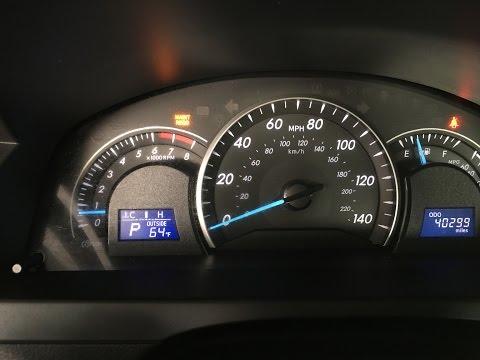
Step 14: Reset the Maintenance Light (If On)
- Turn the ignition switch to ON (engine off).
- Press the Odometer/Trip button until the display shows Trip A.
- Turn the ignition off.
- Press and hold the Odometer/Trip button.
- While holding, turn the ignition to ON (engine off). Continue holding the button until the maintenance light blinks and then goes off.
✅ After Repair
- Take a short test drive (5–10 minutes), then park on level ground and recheck the oil level with the dipstick. Top off if needed.
- Inspect under the car again for any fresh oil leaks around the drain plug and filter housing.
- Note the mileage and date so you know when your next oil change is due.
- Dispose of the used oil and filter at a proper recycling location or service station.
💰 DIY vs Shop Cost
Shop Cost: $80–$130 (parts + labor)
DIY Cost: $35–$60 (parts only)
You Save: $45–$70 by doing it yourself!
Shop labor rates typically run $100–$150/hour. This repair takes a shop approximately 0.5–1.0 hours.
🎯 Ready to get started?
HowToo makes it easy: same-day/2-day shipping on every part, plus all the tools and specialty tools you need! Check out the parts and tools sections above to add everything to your cart.