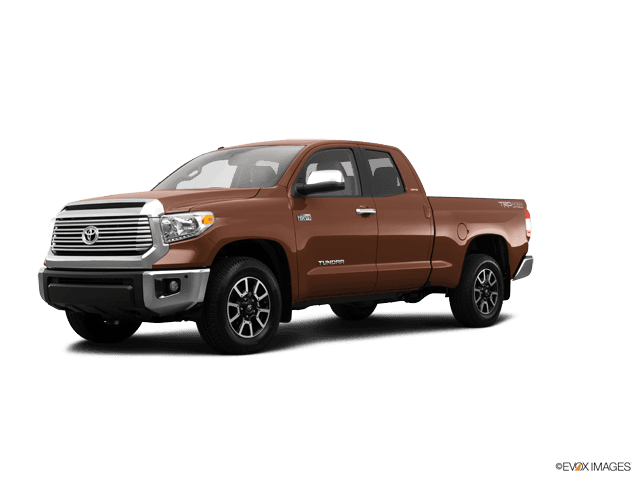
















How to Change Engine Oil & Cartridge Oil Filter on a 2011-2021 Toyota Tundra (Engine: V8 5.7L)
Step-by-step DIY guide with required tools, 0W-20 oil capacity, torque specs, and maintenance light reset
How to Change Engine Oil & Cartridge Oil Filter on a 2011-2021 Toyota Tundra (Engine: V8 5.7L)
Step-by-step DIY guide with required tools, 0W-20 oil capacity, torque specs, and maintenance light reset for 2011, 2012, 2013, 2014


🔧 Tundra - Engine Oil & Oil Filter Change
You’ll drain the old engine oil, replace the cartridge-style oil filter, then refill with fresh oil. This keeps your A4—sorry—your Tundra properly lubricated and helps prevent engine wear.
Difficulty Level: Beginner | Estimated Time: 1.0-1.5 hours
Assumption: 5.7L uses 0W-20 full synthetic and a cartridge filter housing.
⚠️ Safety & Precautions
- ⚠️ Work on a level surface and support the truck with jack stands before going underneath.
- ⚠️ Engine oil can be very hot; let the engine cool 10-20 minutes before draining.
- ⚠️ Keep oil off belts and exhaust parts to prevent smoke and smells.
- ⚠️ No battery disconnect is required.
🔧 Required Tools
You'll need the following tools for this repair:
- Floor jack (rated 3-ton minimum)
- Jack stands (rated 3-ton minimum)
- Wheel chocks
- Safety glasses
- Nitrile gloves
- Drain pan (10-quart minimum)
- Funnel
- 14mm socket
- 3/8" drive ratchet
- 3/8" drive torque wrench (10-80 Nm range)
- 12mm socket
- Extension (6")
- Oil filter cap wrench 64mm 14-flute (specialty)
- Small flat screwdriver
- Shop rags
🔩 Required Parts
HowToo sells all the parts you need for this repair:
- Engine oil (0W-20 full synthetic) - Qty: 8 quarts
- Oil filter cartridge kit (includes filter + O-rings) - Qty: 1
- Oil drain plug gasket/crush washer - Qty: 1
📋 Before You Begin
- Park on level ground, set the parking brake, and place wheel chocks behind the rear wheels.
- Warm the engine for 2-3 minutes, then shut it off. Warm oil drains faster.
- Open the hood and loosen the oil fill cap (helps it drain better).
- Lift the front with a floor jack and support with jack stands under the frame.
🔨 Step-by-Step Instructions
Follow these steps in order:
Step 1: Remove the front skid plate access (if equipped)
- Slide the drain pan under the engine area.
- Use a 12mm socket, extension (6"), and 3/8" drive ratchet to remove the skid plate bolts needed for access.
- Set bolts aside so they don’t get lost.
Step 2: Drain the old engine oil
- Locate the oil drain plug at the bottom of the oil pan.
- Use a 14mm socket and 3/8" drive ratchet to loosen the drain plug, then finish removing it by hand.
- Let the oil drain until it slows to an occasional drip (usually 5-10 minutes).
- Remove the old drain plug gasket/crush washer and install the new one.
- Reinstall the drain plug by hand first (to avoid cross-threading), then tighten with a 3/8" drive torque wrench: Torque to 40 Nm (30 ft-lbs).
Step 3: Drain the oil filter housing (cartridge filter)
- Find the oil filter housing (a round cap-style housing) near the front lower engine area.
- Some housings have a small drain plug in the center. Place the drain pan underneath.
- Use the appropriate drive on your 3/8" drive ratchet to carefully remove that small plug (if present) and let it drain.
- Reinstall and tighten that small plug with a 3/8" drive torque wrench: Torque to 13 Nm (10 ft-lbs).
- Cartridge housing = reusable cap; only filter/O-rings get replaced.
Step 4: Remove the oil filter housing and replace the filter
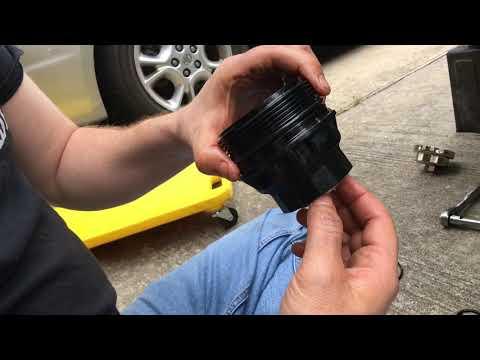
- Use the oil filter cap wrench 64mm 14-flute (specialty) with a 3/8" drive ratchet to loosen the filter housing cap.
- Once loose, spin it off by hand and keep it upright to reduce spills.
- Pull the old cartridge filter out of the housing.
- Use a small flat screwdriver to remove the old O-ring(s) from the housing cap (be gentle—don’t scratch the plastic/metal sealing groove).
- Install the new O-ring(s) from the filter kit in the same groove(s). Lightly coat them with fresh oil using a gloved finger.
- Push the new cartridge filter into the housing until it seats.
- Reinstall the housing cap by hand until snug, then tighten with a 3/8" drive torque wrench: Torque to 25 Nm (18 ft-lbs).
Step 5: Reinstall the skid plate
- Reposition the skid plate and start all bolts by hand.
- Use a 12mm socket, extension (6"), and 3/8" drive ratchet to snug the bolts evenly.
Step 6: Refill the engine with new oil
- Insert a funnel into the oil fill opening on top of the engine.
- Pour in about 7.9 quarts of 0W-20 full synthetic (start with ~7.5 quarts, then top off after checking).
- Reinstall the oil fill cap.
Step 7: Start, check for leaks, and set the oil level
- Start the engine and let it idle for 30-60 seconds.
- Shut the engine off and wait 5 minutes for oil to settle.
- Pull the dipstick, wipe it with shop rags, reinsert, then re-check.
- Add oil in small amounts using the funnel until the level is at the full mark.
- Look underneath for leaks at the drain plug and filter housing.
Step 8: Reset the maintenance reminder
- Set the display to the odometer (ODO), not Trip A/B, using the dash ODO/TRIP button.
- Turn ignition OFF.
- Press and hold the ODO/TRIP button, then turn ignition to ON (do not start).
- Keep holding until the maintenance reset completes (the display typically counts down to zeros).
✅ After Repair
- Recheck for leaks after a short 5-10 minute drive.
- Verify the dipstick level again on level ground and top off if needed.
- Dispose of used oil and the old filter properly (many parts stores accept used oil).
💰 DIY vs Shop Cost
Shop Cost: $120-$200 (parts + labor)
DIY Cost: $55-$95 (parts only)
You Save: $65-$105 by doing it yourself!
Shop labor rates vary but typically run $100-$150/hour. This repair takes a shop approximately 1.0-1.5 hours.
🎯 Ready to get started?
HowToo makes it easy: same-day/2-day shipping on every part, plus all the tools and specialty tools you need! Check out the parts and tools sections below to add everything to your cart.
Guide for Engine Oil replace for these Toyota vehicles
| Year Make Model | Sub Model | Engine | Body Style |
|---|---|---|---|
| 2021 Toyota Tundra | - | V8 5.7L | - |
| 2020 Toyota Tundra | - | V8 5.7L | - |
| 2019 Toyota Tundra | - | V8 4.6L | - |
| 2019 Toyota Tundra | - | V8 5.7L | - |
| 2018 Toyota Tundra | - | V8 4.6L | - |
| 2018 Toyota Tundra | - | V8 5.7L | - |
| 2017 Toyota Tundra | - | V8 4.6L | - |
| 2017 Toyota Tundra | - | V8 5.7L | - |
| 2016 Toyota Tundra | - | V8 4.6L | - |
| 2016 Toyota Tundra | - | V8 5.7L | - |
| 2015 Toyota Tundra | - | V8 4.6L | - |
| 2015 Toyota Tundra | - | V8 5.7L | - |
| 2014 Toyota Tundra | - | V6 4.0L | - |
| 2014 Toyota Tundra | - | V8 4.6L | - |
| 2014 Toyota Tundra | - | V8 5.7L | - |
| 2013 Toyota Tundra | - | V6 4.0L | - |
| 2013 Toyota Tundra | - | V8 4.6L | - |
| 2013 Toyota Tundra | - | V8 5.7L | - |
| 2012 Toyota Tundra | - | V6 4.0L | - |
| 2012 Toyota Tundra | - | V8 4.6L | - |
| 2012 Toyota Tundra | - | V8 5.7L | - |
| 2011 Toyota Tundra | - | V6 4.0L | - |
| 2011 Toyota Tundra | - | V8 4.6L | - |
| 2011 Toyota Tundra | - | V8 5.7L | - |