














How to Change Engine Oil and Oil Filter on a 2016 Toyota Land Cruiser 5.7L V8
Step-by-step DIY guide with tools, parts, torque specs, safety tips, and maintenance reset info for 2008, 2009, 2010, 2011, 2013, 2014, 2015, 2016, 2017, 2018, 2019, 2020, 2021
How to Change Engine Oil and Oil Filter on a 2016 Toyota Land Cruiser 5.7L V8
Step-by-step DIY guide with tools, parts, torque specs, safety tips, and maintenance reset info for 2008, 2009, 2010, 2011, 2013, 2014, 2015, 2016, 2017, 2018, 2019, 2020, 2021


🔧 Engine Oil & Oil Filter - Change
This service replaces the engine oil and filter, then refills the engine with the correct Toyota-spec oil. Fresh oil helps protect the V8, keeps oil pressure stable, and removes dirt and wear particles.
Difficulty Level: Beginner | Estimated Time: 1-1.5 hours
⚠️ Safety & Precautions
- Work on a level surface and let the engine cool before starting.
- Oil will be hot if the engine was recently run. Wear gloves and safety glasses.
- Use jack stands if you raise the vehicle. Never rely on a jack alone.
- Keep the drain pan stable so hot oil does not spill.
- Battery disconnect is not required for this service.
🔧 Required Tools
You'll need the following tools for this repair:
- 14mm socket
- 3/8-inch ratchet
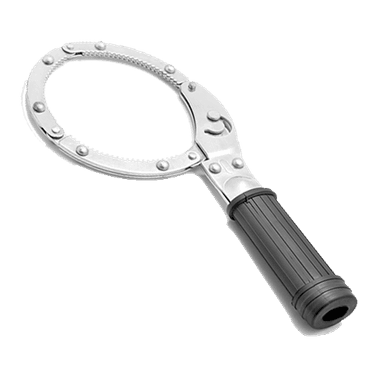
- Oil filter cap wrench
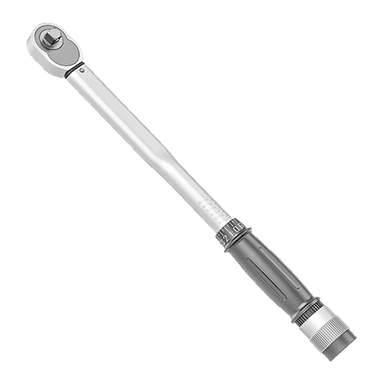
- Torque wrench
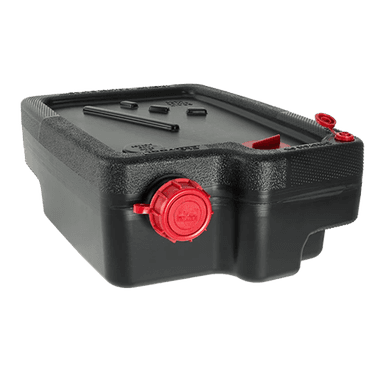
- Drain pan
- Funnel
- Oil filter drain tool (specialty)
- Jack stands
- Floor jack (rated 3-ton minimum)
- Safety glasses
- Nitrile gloves
- Shop rags
🔩 Required Parts
HowToo sells all the parts you need for this repair:
- Engine oil (SAE 0W-20 full synthetic) - Qty: 9 quarts
- Oil filter element - Qty: 1
- Oil filter cap O-ring set - Qty: 1
- Drain plug gasket - Qty: 1
📋 Before You Begin
- Park on level ground and set the parking brake.
- Let the engine cool enough to touch nearby parts safely.
- Have the new oil, filter, and gasket ready before draining.
- Warm oil drains faster.
🔨 Step-by-Step Instructions
Follow these steps in order:
Step 1: Raise and secure the vehicle
- Use a floor jack to lift the front of the Land Cruiser if you need extra room under the engine.
- Support it with jack stands placed at the proper lift points.
- Make sure the truck is stable before getting underneath.
Step 2: Remove the engine under cover
- Use a 14mm socket and 3/8-inch ratchet to remove the bolts holding the lower engine cover.
- Lower the cover carefully and set it aside.
Step 3: Drain the engine oil
- Place the drain pan under the oil pan drain plug.
- Use a 14mm socket and 3/8-inch ratchet to loosen the drain plug.
- Let the oil drain fully.
- Install the drain plug with a new gasket and torque to 39 Nm (29 ft-lbs).
Step 4: Remove the oil filter element
- Move the drain pan under the oil filter housing.
- Use the oil filter cap wrench to remove the filter housing cap.
- Remove the old filter element from the cap area.
- Use the oil filter drain tool if your replacement filter kit includes a drain plug style cap.
Step 5: Replace the filter seals
- Remove the old O-rings from the filter cap.
- Install the new O-rings from the new filter kit.
- Lightly coat the new O-rings with clean engine oil.
- Install the new filter element into the housing.
- Reinstall the filter cap and torque to 25 Nm (18 ft-lbs).
Step 6: Reinstall the under cover
- Put the lower engine cover back in place.
- Use the 14mm socket and 3/8-inch ratchet to tighten the bolts securely.
Step 7: Refill with fresh oil
- Remove the oil filler cap on top of the engine.
- Use a funnel and pour in about 8 quarts of SAE 0W-20 full synthetic first.
- Check the dipstick, then add oil slowly until the level reaches the full mark.
- Total capacity is typically about 8.1 quarts with filter change.
Step 8: Start and inspect
- Start the engine and let it idle for 30-60 seconds.
- Check underneath for leaks at the drain plug and filter housing.
- Shut the engine off and wait a few minutes, then recheck the dipstick level.
✅ After Repair
- Verify the oil level is at the full mark after a short idle and recheck.
- Inspect again after your first drive for any seepage.
- Reset the maintenance reminder in the instrument cluster if needed.
- Dispose of used oil and filter at a proper recycling center.
💰 DIY vs Shop Cost
Shop Cost: $140-$240 (parts + labor)
DIY Cost: $55-$95 (parts only)
You Save: $85-$145 by doing it yourself!
Shop labor rates vary but typically run $100-$150/hour. This repair takes a shop approximately 0.8-1.0 hours.
🎯 Ready to get started?
HowToo makes it easy: same-day/2-day shipping on every part, plus all the tools and specialty tools you need! Check out the parts and tools sections below to add everything to your cart.