









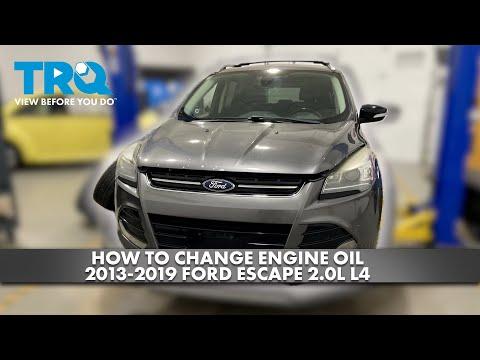





How to Change Engine Oil and Oil Filter on a 2013-2024 Ford Escape (Engine: Inline 4 2.0L)
Step-by-step DIY guide with 5W-30 oil capacity, tools, torque specs, and reset tips
How to Change Engine Oil and Oil Filter on a 2013-2024 Ford Escape (Engine: Inline 4 2.0L)
Step-by-step DIY guide with 5W-30 oil capacity, tools, torque specs, and reset tips for 2013, 2014, 2015, 2016, 2017, 2018, 2019, 2020, 2021, 2022, 2023, 2024


🔧 Escape - Engine Oil & Oil Filter Replacement
This service drains the old engine oil, replaces the oil filter, and refills your Escape with fresh oil. Regular oil changes protect the turbocharged engine from wear, sludge, and oil breakdown.
Difficulty Level: Beginner | Estimated Time: 45-75 minutes
⚠️ Safety & Precautions
- ⚠️ Work on a flat, stable surface and never rely on a jack alone.
- 🔥 Let the engine cool until it is warm, not hot. Hot oil can burn skin.
- 🧤 Wear gloves and safety glasses to protect against oil splashes.
- 🚗 Use jack stands if lifting the vehicle. Jack stands are fixed supports that safely hold the vehicle after lifting.
- 🔋 Battery disconnect is not required for this oil change.
- 🌱 Collect used oil in a drain pan and recycle it properly. Do not pour oil on the ground or into drains.
🔧 Required Tools
You'll need the following tools for this repair:
- 15mm socket
- 3/8-inch drive ratchet
- Torque wrench 3/8-inch drive
- Oil filter cap wrench 74mm 14-flute
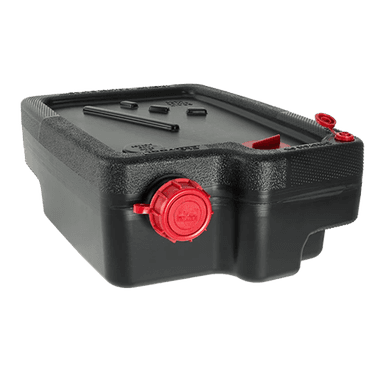
- Oil drain pan 10-quart capacity
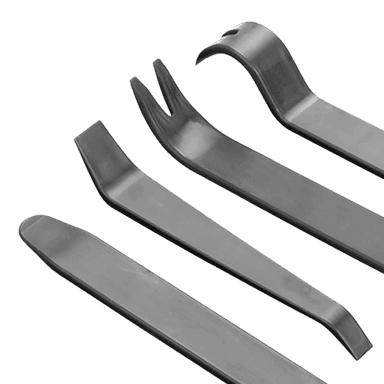
- Plastic trim clip removal tool
- Flat-blade screwdriver 1/4-inch tip
- Funnel
- Floor jack rated 2-ton minimum
- Jack stands rated 2-ton minimum
- Wheel chocks
- Nitrile gloves
- Safety glasses
- Shop towels
🔩 Required Parts
HowToo sells all the parts you need for this repair:
- Engine oil 5W-30 full synthetic - Qty: 5.7 quarts
- Engine oil filter - Qty: 1
- Engine oil drain plug gasket - Qty: 1
📋 Before You Begin
- Park your Escape on level ground and set the parking brake.
- Place wheel chocks behind the rear wheels before lifting the front.
- Run the engine for 2-3 minutes if it is cold, then shut it off. Warm oil drains faster.
- Open the hood and remove the oil filler cap by hand. This helps the oil drain smoothly.
- If your Escape has a lower splash shield under the engine, it must be removed to access the drain plug and filter.
- Have your new oil filter and fresh oil ready before draining the old oil.
🔨 Step-by-Step Instructions
Follow these steps in order:
Step 1: Lift and Secure the Front
- Use the floor jack rated 2-ton minimum at the front center jacking point or approved front side lift point.
- Place jack stands rated 2-ton minimum under the approved front support points.
- Lower the vehicle gently onto the jack stands.
- Keep the wheel chocks behind the rear wheels.
- Shake lightly to confirm stability.
Step 2: Remove the Lower Splash Shield
- Use the plastic trim clip removal tool to remove any push clips from the lower engine splash shield.
- Use the flat-blade screwdriver 1/4-inch tip if a clip center needs to be lifted.
- Set the splash shield and clips aside in order so they go back in the same places.
- If equipped with small bolts, remove them with the correct socket from your tool set before lowering the shield.
Step 3: Position the Drain Pan
- Place the oil drain pan 10-quart capacity under the engine oil drain plug.
- The drain plug is at the bottom of the engine oil pan.
- Angle the drain pan slightly forward because oil may shoot outward at first.
Step 4: Drain the Engine Oil
- Use the 15mm socket and 3/8-inch drive ratchet to loosen the drain plug.
- Remove the plug by hand while keeping inward pressure on it until the last thread.
- Pull the plug away quickly and let the oil drain into the pan.
- Allow the oil to drain until it slows to a drip.
- Do not drop the plug into hot oil.
Step 5: Replace the Drain Plug Gasket
- Use shop towels to wipe the drain plug clean.
- Remove the old drain plug gasket by hand.
- Install the new engine oil drain plug gasket by hand.
- Wipe the oil pan sealing surface with shop towels.
Step 6: Reinstall the Drain Plug
- Thread the drain plug into the oil pan by hand first to avoid cross-threading.
- Use the 15mm socket and torque wrench 3/8-inch drive to tighten the drain plug.
- Torque to 27 Nm (20 ft-lbs)
Step 7: Remove the Old Oil Filter
- Move the oil drain pan under the oil filter area.
- Use the oil filter cap wrench 74mm 14-flute and 3/8-inch drive ratchet to loosen the oil filter.
- An oil filter cap wrench grips the end of the filter so you can loosen it without crushing it.
- Spin the filter off by hand once loose.
- Keep the open end upward as much as possible to reduce spills.
- Check that the old rubber gasket came off with the old filter.
- Double gaskets cause major leaks.
Step 8: Install the New Oil Filter
- Use a clean gloved finger to apply a thin film of fresh 5W-30 oil to the new filter gasket.
- Thread the new engine oil filter on by hand until the gasket touches the mounting surface.
- Tighten the filter an additional 3/4 turn by hand.
- If using the oil filter cap wrench 74mm 14-flute and torque wrench 3/8-inch drive, tighten gently only.
- Torque to 16 Nm (12 ft-lbs)
Step 9: Reinstall the Splash Shield
- Lift the lower splash shield back into place by hand.
- Use the plastic trim clip removal tool or your fingers to reinstall the push clips.
- Use the flat-blade screwdriver 1/4-inch tip only if the clip centers need seating.
- Make sure the shield is secure and not hanging loose.
Step 10: Lower the Vehicle
- Use the floor jack rated 2-ton minimum to lift the vehicle slightly off the jack stands.
- Remove the jack stands rated 2-ton minimum.
- Lower your Escape slowly to the ground.
- Remove the wheel chocks after the vehicle is fully on the ground.
Step 11: Add Fresh Engine Oil
- Place the funnel into the engine oil filler opening.
- Pour in 5.3 quarts of 5W-30 full synthetic engine oil first.
- Install the oil filler cap by hand.
- Start the engine and let it idle for 30 seconds.
- Shut the engine off and wait 5 minutes for the oil to drain back into the pan.
Step 12: Check and Top Off the Oil Level
- Pull the dipstick out by hand and wipe it clean with shop towels.
- Insert the dipstick fully, then pull it out again to read the level.
- Add oil through the funnel in small amounts until the level reaches the full mark.
- Total capacity with filter is about 5.7 quarts.
- Do not overfill above the full mark.
Step 13: Reset the Oil Life Monitor
- Turn the ignition on without starting the engine.
- Use the steering wheel controls to open Settings > Vehicle > Oil Life Reset.
- Press and hold OK until the display confirms the oil life reset.
- If your cluster menu is different, use Settings > Convenience > Oil Life Reset and hold OK.
✅ After Repair
- Start the engine and let it idle for 1 minute while checking under the vehicle for leaks.
- Shut the engine off and wait 5 minutes, then recheck the dipstick level.
- Confirm the oil filler cap and dipstick are fully seated.
- Take a short 5-minute drive, then inspect the drain plug and oil filter area again.
- Recycle the used oil and old filter at an approved oil recycling location.
- Write down the mileage and date of the oil change.
💰 DIY vs Shop Cost
Shop Cost: $90-$160 (parts + labor)
DIY Cost: $40-$75 (parts only)
You Save: $50-$85 by doing it yourself!
Shop labor rates vary but typically run $100-$150/hour. This repair takes a shop approximately 0.4-0.7 hours.
🎯 Ready to get started?
HowToo makes it easy: same-day/2-day shipping on every part, plus all the tools and specialty tools you need! Check out the parts and tools sections below to add everything to your cart.
Guide for Engine Oil replace for these Ford vehicles
| Year Make Model | Sub Model | Engine | Body Style |
|---|---|---|---|
| 2024 Ford Escape | - | Inline 4 2.5L | - |
| 2024 Ford Escape | - | Inline 4 2.0L | - |
| 2024 Ford Escape | - | Inline 3 1.5L | - |
| 2023 Ford Escape | - | Inline 4 2.5L | - |
| 2023 Ford Escape | - | Inline 4 2.0L | - |
| 2023 Ford Escape | - | Inline 3 1.5L | - |
| 2022 Ford Escape | - | Inline 4 2.5L | - |
| 2022 Ford Escape | - | Inline 4 2.0L | - |
| 2022 Ford Escape | - | Inline 3 1.5L | - |
| 2021 Ford Escape | - | Inline 4 2.5L | - |
| 2021 Ford Escape | - | Inline 4 2.0L | - |
| 2021 Ford Escape | - | Inline 3 1.5L | - |
| 2020 Ford Escape | - | Inline 4 2.5L | - |
| 2020 Ford Escape | - | Inline 4 2.0L | - |
| 2020 Ford Escape | - | Inline 3 1.5L | - |
| 2019 Ford Escape | - | Inline 4 2.5L | - |
| 2019 Ford Escape | - | Inline 4 2.0L | - |
| 2019 Ford Escape | - | Inline 4 1.5L | - |
| 2018 Ford Escape | - | Inline 4 2.5L | - |
| 2018 Ford Escape | - | Inline 4 2.0L | - |
| 2018 Ford Escape | - | Inline 4 1.5L | - |
| 2017 Ford Escape | - | Inline 4 2.5L | - |
| 2017 Ford Escape | - | Inline 4 2.0L | - |
| 2017 Ford Escape | - | Inline 4 1.5L | - |
| 2016 Ford Escape | - | Inline 4 2.5L | - |
| 2016 Ford Escape | - | Inline 4 1.6L | - |
| 2016 Ford Escape | - | Inline 4 2.0L | - |
| 2015 Ford Escape | - | Inline 4 2.5L | - |
| 2015 Ford Escape | - | Inline 4 1.6L | - |
| 2015 Ford Escape | - | Inline 4 2.0L | - |
| 2014 Ford Escape | - | Inline 4 2.5L | - |
| 2014 Ford Escape | - | Inline 4 1.6L | - |
| 2014 Ford Escape | - | Inline 4 2.0L | - |
| 2013 Ford Escape | - | Inline 4 2.5L | - |
| 2013 Ford Escape | - | Inline 4 1.6L | - |
| 2013 Ford Escape | - | Inline 4 2.0L | - |