









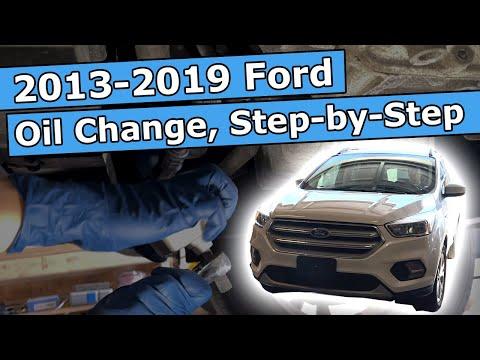




How to Change Engine Oil and Filter on a 2006-2022 Ford Escape 2.5L (Engine: Inline 4 2.5L)
Step-by-step oil change guide with 5W-20 capacity, tools, torque specs, and reset tips
How to Change Engine Oil and Filter on a 2006-2022 Ford Escape 2.5L (Engine: Inline 4 2.5L)
Step-by-step oil change guide with 5W-20 capacity, tools, torque specs, and reset tips for 2006, 2007, 2008


🔧 Escape - Engine Oil & Oil Filter Replacement
This job drains the old engine oil, replaces the oil filter, and refills your Escape with fresh oil. Clean oil protects the 2.5L engine from wear, heat, and sludge buildup.
Difficulty Level: Beginner | Estimated Time: 45-75 minutes
⚠️ Safety & Precautions
- ⚠️ Work on a level surface so the oil drains correctly and the vehicle stays stable.
- ⚠️ Let the engine cool until it is warm, not hot. Hot oil can burn skin.
- ⚠️ Always support the front of your Escape with jack stands. Never rely on a floor jack alone.
- ⚠️ Wear safety glasses and nitrile gloves to protect your eyes and skin from used oil.
- ⚠️ Used engine oil is hazardous. Drain it into a sealed container and recycle it properly.
- ⚠️ Battery disconnect is not required for this repair.
🔧 Required Tools
You'll need the following tools for this repair:
- 15mm socket
- 3/8-inch drive ratchet
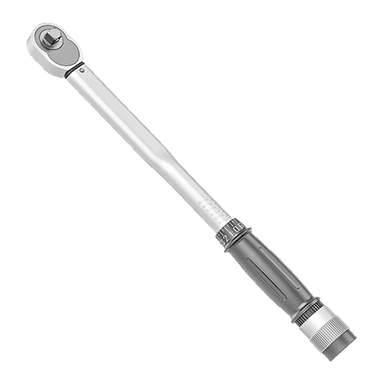
- 3/8-inch drive torque wrench
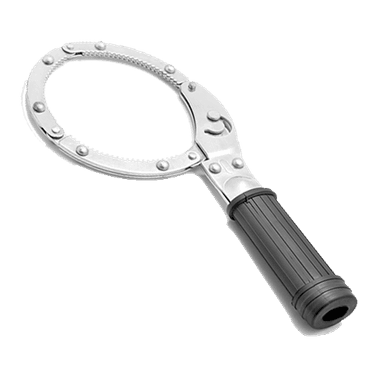
- Oil filter wrench, band-style 65-75mm
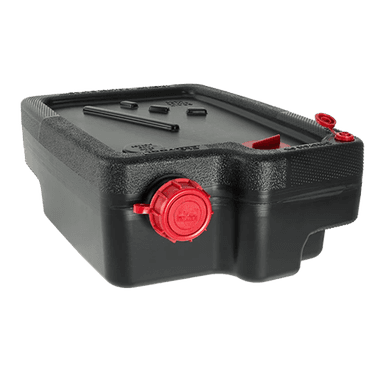
- Oil drain pan, 8-quart minimum
- Funnel with narrow spout
- Floor jack (rated 2-ton minimum)
- Jack stands (rated 2-ton minimum)
- Wheel chocks
- Shop towels
- Nitrile gloves
- Safety glasses
🔩 Required Parts
HowToo sells all the parts you need for this repair:
- Engine oil, SAE 5W-20 full synthetic or synthetic blend - Qty: 5.7 quarts
- Engine oil filter - Qty: 1
- Oil drain plug gasket or sealing washer - Qty: 1
📋 Before You Begin
- 🅿️ Park your Escape on level ground and apply the parking brake.
- 🧱 Place wheel chocks behind the rear wheels.
- 🌡️ Run the engine for 2-3 minutes if it is cold, then shut it off. Warm oil drains faster.
- 🛢️ Open the hood and remove the oil fill cap. This helps the oil drain smoothly.
- 📘 Check the oil bottle label. Use oil that meets Ford specification WSS-M2C945-A or the current superseding Ford specification for 5W-20.
🔨 Step-by-Step Instructions
Follow these steps in order:
Step 1: Raise and Support the Front
- Use the floor jack (rated 2-ton minimum) at the front center jacking point or approved front lift point.
- Lift the front high enough to safely reach the oil drain plug and oil filter.
- Place jack stands (rated 2-ton minimum) under the approved front support points.
- Gently lower the vehicle onto the jack stands using the floor jack.
- Give the vehicle a light push from the side to make sure it is stable.
- Never crawl under only a jack.
Step 2: Position the Drain Pan
- Put on safety glasses and nitrile gloves.
- Slide the oil drain pan, 8-quart minimum under the engine oil drain plug.
- The drain plug is at the bottom of the oil pan. The oil pan is the metal pan at the lowest part of the engine.
Step 3: Remove the Oil Drain Plug
- Use a 15mm socket and 3/8-inch drive ratchet to loosen the oil drain plug counterclockwise.
- Finish removing the plug by hand while keeping inward pressure on it, then pull it away quickly.
- Let the oil drain until it slows to an occasional drip.
- Inspect the drain plug threads. Replace the oil drain plug gasket or sealing washer.
- Keep your hand out of the oil stream.
Step 4: Reinstall the Oil Drain Plug
- Wipe the drain plug and oil pan sealing surface with shop towels.
- Thread the drain plug in by hand first. This prevents cross-threading, which means damaging the threads by forcing the plug in crooked.
- Use the 15mm socket and 3/8-inch drive torque wrench to tighten the drain plug.
- Torque to 27 Nm (20 ft-lbs).
- Snug is good. Over-tight is bad.
Step 5: Remove the Old Oil Filter
- Move the oil drain pan, 8-quart minimum under the oil filter area.
- The oil filter is a spin-on canister filter mounted low on the engine.
- Use the oil filter wrench, band-style 65-75mm to loosen the filter counterclockwise.
- Once loose, spin the filter off by hand.
- Hold the filter upright as you remove it because it will contain used oil.
- Check that the old rubber filter gasket came off with the old filter. A gasket is the rubber sealing ring on the filter.
- Double gaskets can cause major leaks.
Step 6: Install the New Oil Filter
- Use your gloved finger to apply a thin coat of fresh engine oil to the new oil filter gasket.
- Spin the new engine oil filter onto the filter mount by hand.
- Tighten until the gasket touches the mounting surface, then turn it another 3/4 turn by hand.
- If using a torque wrench with a suitable filter adapter, tighten the filter to Torque to 16 Nm (12 ft-lbs).
- Do not crush or over-tighten the filter with the oil filter wrench.
- Hand-tight is usually enough.
Step 7: Lower the Vehicle
- Use the floor jack (rated 2-ton minimum) to lift the front slightly off the jack stands.
- Remove the jack stands (rated 2-ton minimum).
- Lower your Escape slowly back onto level ground using the floor jack.
Step 8: Add New Engine Oil
- Place the funnel with narrow spout into the engine oil fill opening.
- Pour in about 5.3 quarts of SAE 5W-20 engine oil first.
- Reinstall the oil fill cap by hand.
- Start the engine and let it idle for 30-60 seconds.
- Shut the engine off and wait 5 minutes so the oil can settle back into the pan.
Step 9: Check the Oil Level
- Pull out the dipstick and wipe it clean with shop towels.
- Reinsert the dipstick fully, then pull it out again.
- The oil should be between the MIN and MAX marks, preferably near MAX.
- Add oil a little at a time using the funnel with narrow spout until the level is correct.
- Total fill is approximately 5.7 quarts with filter, but always final-check with the dipstick.
- Add slowly. Overfilling can harm the engine.
Step 10: Reset the Oil Life Monitor
- Turn the ignition to ON without starting the engine.
- Use the steering wheel controls to open Settings > Vehicle > Oil Life Reset if shown on your cluster display.
- Press and hold OK until the display confirms the oil life reset.
- If that menu is not shown, use this Ford pedal method:
- Turn ignition ON without starting the engine.
- Fully press and hold the accelerator pedal and brake pedal at the same time.
- Keep holding both pedals until the oil reset message appears, usually about 20-25 seconds.
- Release both pedals and turn the ignition OFF.
✅ After Repair
- ✅ Start the engine and check underneath for leaks at the drain plug and oil filter.
- ✅ Shut the engine off, wait 5 minutes, and recheck the oil level with the dipstick.
- ✅ Make sure the oil fill cap is tight and the dipstick is fully seated.
- ✅ Pour used oil into a sealed container and recycle it with the old oil filter.
- ✅ Many auto parts stores and service centers accept used oil for recycling.
- ✅ Write down the mileage and date of the oil change.
💰 DIY vs Shop Cost
Shop Cost: $80-$140 (parts + labor)
DIY Cost: $35-$65 (parts only)
You Save: $45-$75 by doing it yourself!
Shop labor rates vary but typically run $100-$150/hour. This repair takes a shop approximately 0.4-0.7 hours.
🎯 Ready to get started?
HowToo makes it easy: same-day/2-day shipping on every part, plus all the tools and specialty tools you need! Check out the parts and tools sections below to add everything to your cart.
Guide for Engine Oil replace for these Ford vehicles
| Year Make Model | Sub Model | Engine | Body Style |
|---|---|---|---|
| 2022 Ford Escape | - | Inline 4 2.5L | - |
| 2022 Ford Escape | - | Inline 4 2.0L | - |
| 2022 Ford Escape | - | Inline 3 1.5L | - |
| 2021 Ford Escape | - | Inline 4 2.5L | - |
| 2021 Ford Escape | - | Inline 4 2.0L | - |
| 2021 Ford Escape | - | Inline 3 1.5L | - |
| 2020 Ford Escape | - | Inline 4 2.5L | - |
| 2020 Ford Escape | - | Inline 4 2.0L | - |
| 2020 Ford Escape | - | Inline 3 1.5L | - |
| 2019 Ford Escape | - | Inline 4 2.5L | - |
| 2019 Ford Escape | - | Inline 4 2.0L | - |
| 2019 Ford Escape | - | Inline 4 1.5L | - |
| 2018 Ford Escape | - | Inline 4 2.5L | - |
| 2018 Ford Escape | - | Inline 4 2.0L | - |
| 2018 Ford Escape | - | Inline 4 1.5L | - |
| 2017 Ford Escape | - | Inline 4 2.5L | - |
| 2017 Ford Escape | - | Inline 4 2.0L | - |
| 2017 Ford Escape | - | Inline 4 1.5L | - |
| 2016 Ford Escape | - | Inline 4 2.5L | - |
| 2016 Ford Escape | - | Inline 4 1.6L | - |
| 2016 Ford Escape | - | Inline 4 2.0L | - |
| 2015 Ford Escape | - | Inline 4 2.5L | - |
| 2015 Ford Escape | - | Inline 4 1.6L | - |
| 2015 Ford Escape | - | Inline 4 2.0L | - |
| 2014 Ford Escape | - | Inline 4 2.5L | - |
| 2014 Ford Escape | - | Inline 4 1.6L | - |
| 2014 Ford Escape | - | Inline 4 2.0L | - |
| 2013 Ford Escape | - | Inline 4 2.5L | - |
| 2013 Ford Escape | - | Inline 4 1.6L | - |
| 2013 Ford Escape | - | Inline 4 2.0L | - |
| 2012 Ford Escape | - | V6 3.0L | - |
| 2012 Ford Escape | - | Inline 4 2.5L | - |
| 2011 Ford Escape | - | V6 3.0L | - |
| 2011 Ford Escape | - | Inline 4 2.5L | - |
| 2010 Ford Escape | - | V6 3.0L | - |
| 2010 Ford Escape | - | Inline 4 2.5L | - |
| 2009 Ford Escape | - | V6 3.0L | - |
| 2009 Ford Escape | - | Inline 4 2.5L | - |
| 2008 Ford Escape | - | Inline 4 2.3L | - |
| 2008 Ford Escape | - | V6 3.0L | - |
| 2007 Ford Escape | - | Inline 4 2.3L | - |
| 2007 Ford Escape | - | V6 3.0L | - |
| 2006 Ford Escape | - | Inline 4 2.3L | - |
| 2006 Ford Escape | - | V6 3.0L | - |