









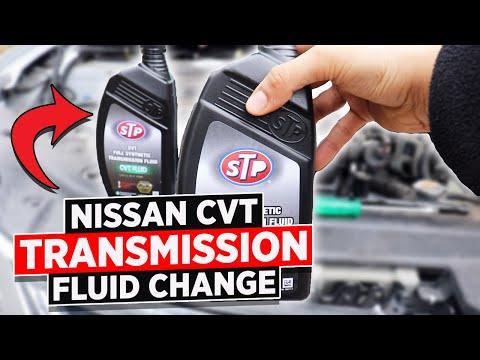







How to Change CVT Transmission Fluid on a 2019 Nissan Kicks (NS-3 Drain & Refill)
Step-by-step drain/refill procedure, required tools and parts, fluid level check method, and key safety tips for 2018, 2019, 2020, 2021, 2022, 2023, 2024
How to Change CVT Transmission Fluid on a 2019 Nissan Kicks (NS-3 Drain & Refill)
Step-by-step drain/refill procedure, required tools and parts, fluid level check method, and key safety tips for 2018, 2019, 2020, 2021, 2022, 2023, 2024


🔧 Kicks - CVT Transmission Fluid Change
On your Kicks, the CVT fluid service is usually a drain-and-refill, then a very specific fluid level check. The exact procedure (and torque specs) depends on whether your CVT uses a dipstick-style level gauge or an overflow/check-plug level system.
Difficulty Level: Intermediate | Estimated Time: 1.5-3.0 hours
Quick questions (so I give you the exact Nissan-correct steps + torque specs):
- ❓ Can you upload a clear photo of the bottom of the CVT pan area (showing the drain plug / any smaller “check” plug)?
- ❓ Do you have a way to monitor CVT fluid temperature (scan tool that can read CVT/TFT temp), or only an IR thermometer?
⚠️ Safety & Precautions
- ⚠️ Work on a flat, level surface; the CVT fluid level check is inaccurate if the vehicle isn’t level.
- ⚠️ Let the exhaust/catalyst cool; CVT service is close to hot components.
- ⚠️ Use jack stands; never rely only on a floor jack.
- ⚠️ CVT fluid can be hot; wear gloves and eye protection.
- ⚠️ Battery disconnect is usually not required for this service.
🔧 Required Tools
You'll need the following tools for this repair:
- Floor jack (rated 3-ton minimum)
- Jack stands (rated 3-ton minimum)
- Wheel chocks
- Safety glasses
- Nitrile gloves
- Drain pan (at least 10-quart)
- Trim clip tool
- Ratchet
- Socket set (metric)
- Torque wrench (5–80 ft-lbs range)
- Fluid transfer pump (hand pump) (specialty)
- Funnel with long neck
- Infrared thermometer
- Scan tool with live data (CVT fluid temp) (specialty)
🔩 Required Parts
HowToo sells all the parts you need for this repair:
- Nissan CVT fluid (NS-3) - Qty: 4-6 quarts
- CVT drain plug crush washer - Qty: 1
- CVT fill/check plug seal (if equipped) - Qty: 1
- Brake cleaner - Qty: 1
- Shop towels - Qty: 1 pack
📋 Before You Begin
- Park on level ground, set the parking brake, and chock the rear wheels.
- Warm the CVT slightly with a short drive so it drains better, but avoid working with scalding-hot fluid.
- Lift the front safely with a floor jack and support with jack stands under the proper lift points.
- Tip: Take a photo of every fastener location.
🔨 Step-by-Step Instructions
Follow these steps in order:
Step 1: Confirm which CVT level-check design you have
- Use safety glasses and slide under the front to view the CVT pan area.
- If you see only one main drain plug on the pan and a capped dipstick tube/level gauge on top: that’s a dipstick-style setup.
- If you see a drain plug plus a smaller inner plug/tube style “check” point: that’s an overflow/check-plug setup.
- Tip: Upload a photo and I’ll identify it.
Step 2: Stop here until the correct procedure is selected
- Because Nissan uses different fill/level methods on different CVT variants, I need your photo (and whether you can read CVT fluid temp) to provide the exact steps and the correct Torque to XX Nm (YY ft-lbs) specs for each plug/fastener.
- Reply with the photo and your temp-reading method, and I’ll send the full drain/refill + level-set procedure immediately.
✅ After Repair
- Verify there are no leaks after a short test drive.
- Recheck the CVT area for seepage after the next heat cycle.
- If any warning lights appear, scan for codes with a scan tool with live data.
💰 DIY vs Shop Cost
Shop Cost: $200-$400 (parts + labor)
DIY Cost: $60-$140 (parts only)
You Save: $140-$260 by doing it yourself!
Shop labor rates vary but typically run $100-$150/hour. This repair takes a shop approximately 1.0-2.0 hours.
🎯 Ready to get started?
HowToo makes it easy: same-day/2-day shipping on every part, plus all the tools and specialty tools you need! Check out the parts and tools sections below to add everything to your cart.