









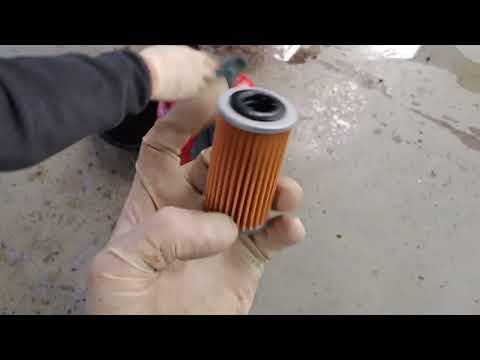







How to Change CVT Transmission Fluid (Drain & Fill) on a 2016 Nissan Murano
Step-by-step NS-3 fluid service with required tools/parts, temperature-based level check, and torque specs for 2003, 2004, 2005, 2006, 2007, 2009, 2010, 2011, 2012, 2013, 2014, 2015, 2016, 2017, 2018, 2019, 2020, 2021, 2022, 2023
How to Change CVT Transmission Fluid (Drain & Fill) on a 2016 Nissan Murano
Step-by-step NS-3 fluid service with required tools/parts, temperature-based level check, and torque specs for 2003, 2004, 2005, 2006, 2007, 2009, 2010, 2011, 2012, 2013, 2014, 2015, 2016, 2017, 2018, 2019, 2020, 2021, 2022, 2023


🔧 Murano - CVT Transmission Fluid Drain & Fill
This job replaces the old CVT fluid in your Murano by draining what’s in the pan and refilling with the correct Nissan CVT fluid. Fresh CVT fluid helps protect the belt/pulleys and keeps shifting smooth, especially on higher-mile vehicles.
Difficulty Level: Intermediate | Estimated Time: 1.5–3.0 hours
⚠️ Safety & Precautions
- 🛑 Support the SUV with jack stands on a solid, level surface—never rely on a floor jack alone.
- 🛑 CVT fluid level is temperature-sensitive; checking it at the wrong temp can cause underfill/overfill.
- 🛑 Wear nitrile gloves and safety glasses; hot fluid can burn.
- 🛑 Keep the engine running only when instructed; stay clear of moving parts.
- 🔋 Battery disconnect is not required for this service.
🔧 Required Tools
You'll need the following tools for this repair:
- Floor jack (rated 3-ton minimum)
- Jack stands (rated 3-ton minimum)
- Wheel chocks
- Safety glasses
- Nitrile gloves
- Drain pan (10-quart minimum)
- Shop rags
- Metric socket set (8mm–19mm)
- 3/8" drive ratchet
- 3/8" drive torque wrench (10–100 Nm range)
- Trim clip remover
- Flathead screwdriver
- Hex bit socket set (5mm–10mm)
- Fluid transfer pump (specialty)
- OBD-II scan tool capable of reading CVT fluid temperature (specialty)
- Funnel
- Measuring pitcher (quart/liter marked)
🔩 Required Parts
HowToo sells all the parts you need for this repair:
- Nissan CVT Fluid NS-3 - Qty: 6 quarts
- CVT drain plug crush washer - Qty: 1
- CVT level/check plug crush washer - Qty: 1
📋 Before You Begin
- 🧰 Park on a level surface, set the parking brake, and chock the rear wheels.
- 🧭 Raise the front (or all four) and keep the SUV level on jack stands; level is critical for the fluid level check.
- 🌡️ Plan to check final fluid level with CVT fluid temperature around 35–45°C (95–113°F) using your OBD-II scan tool.
- A “crush washer” is a soft sealing washer that should be replaced to prevent leaks.
- A “fluid transfer pump” is a hand pump that pushes new fluid into the fill hole.
🔨 Step-by-Step Instructions
Follow these steps in order:
Step 1: Remove the lower splash shield (undercover)
- Use a trim clip remover and flathead screwdriver to remove the plastic clips.
- Use an 8mm socket (some fasteners vary) with a 3/8" ratchet to remove the bolts.
- Set the shield and hardware aside in a neat pile.
Step 2: Locate the CVT drain plug and level/check plug
- Place your drain pan under the CVT.
- Identify the CVT drain plug at the bottom of the transmission case/pan area.
- Identify the CVT level/check plug (used for setting the level at the correct temperature).
- Don’t remove the level/check plug yet.
Step 3: Drain the old CVT fluid
- Use the correct-size socket (commonly 19mm socket) with a 3/8" ratchet to loosen and remove the drain plug.
- Let the fluid drain fully into the drain pan (this can take 10–20 minutes).
- Measure what came out using a measuring pitcher; this gives you a safe starting refill amount.
- Install a new drain plug crush washer on the drain plug.
- Reinstall the drain plug and Torque to 34 Nm (25 ft-lbs).
Step 4: Refill with Nissan NS-3 CVT fluid
- Locate the CVT fill plug/port (varies by build; commonly a case plug requiring a hex bit).
- Use the appropriate hex bit socket with a 3/8" ratchet to remove the fill plug.
- Insert the fluid transfer pump (specialty) hose into the fill port.
- Pump in Nissan CVT Fluid NS-3 equal to the amount you measured coming out (typically ~4–6 quarts for a drain & fill).
- Reinstall the fill plug snug for now (final level is set in the next steps).
Step 5: Warm the CVT fluid and circulate it
- Connect the OBD-II scan tool capable of reading CVT fluid temperature (specialty).
- Start the engine and keep the SUV level on jack stands.
- With your foot on the brake, slowly move the shifter through P-R-N-D and back to P, pausing 3 seconds in each position.
- Let the CVT fluid temperature rise to 35–45°C (95–113°F).
Step 6: Set the final CVT fluid level (temperature-based)
- With the engine idling and CVT temp at 35–45°C (95–113°F), place the drain pan under the level/check plug.
- Use the correct hex bit socket with a 3/8" ratchet to remove the level/check plug.
- Correct level behavior:
- If fluid dribbles out in a steady thin stream and then slows to a drip, the level is close to correct.
- If nothing comes out, add NS-3 through the fill port using the fluid transfer pump (specialty) until it just begins to overflow from the level/check opening.
- If a heavy stream pours out, wait until it reduces to a drip (still within the temperature window).
- Install a new level/check plug crush washer.
- Reinstall the level/check plug and Torque to 34 Nm (25 ft-lbs).
- Reinstall/torque the fill plug to 34 Nm (25 ft-lbs).
- Keep the temp in range while checking.
Step 7: Reinstall the splash shield
- Reinstall the lower shield using the 8mm socket and 3/8" ratchet.
- Reinstall plastic clips using the trim clip remover.
✅ After Repair
- 🔍 With the engine running, inspect for leaks at the drain plug, level/check plug, and fill plug.
- 🛣️ Test drive 10–15 minutes with gentle acceleration. Avoid hard launches.
- 🔁 Recheck for leaks after the drive and again the next morning.
- 🧾 If you have a scan tool, check for stored transmission codes and clear only if appropriate.
- Dispose of old fluid at a recycling center.
💰 DIY vs Shop Cost
Shop Cost: $250–$450 (parts + labor)
DIY Cost: $90–$160 (parts only)
You Save: $160–$290 by doing it yourself!
Shop labor rates vary but typically run $100-$150/hour. This repair takes a shop approximately 1.5–2.5 hours.
🎯 Ready to get started?
HowToo makes it easy: same-day/2-day shipping on every part, plus all the tools and specialty tools you need! Check out the parts and tools sections below to add everything to your cart.