









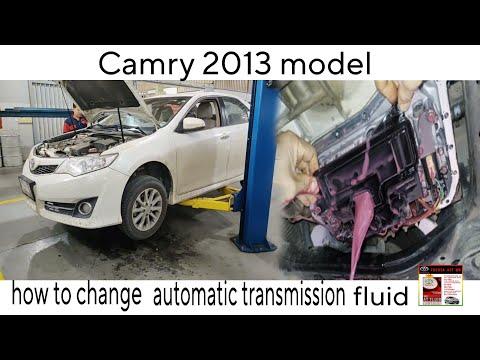






How to Change Automatic Transmission Fluid on a 2007-2024 Toyota Camry
Step-by-step WS ATF drain-and-fill guide with tools, parts list, torque specs, and safety tips
How to Change Automatic Transmission Fluid on a 2007-2024 Toyota Camry
Step-by-step WS ATF drain-and-fill guide with tools, parts list, torque specs, and safety tips for 2007, 2008, 2009, 2010, 2011, 2012, 2013, 2014, 2015, 2016, 2017, 2018, 2019, 2020, 2021, 2022, 2023, 2024


🔧 Camry - Automatic Transmission Fluid Drain & Fill
You’ll be doing a drain-and-fill on the transmission, not a full flush. This replaces a good portion of the old fluid and protects the transmission if done carefully and cleanly.
Difficulty Level: Intermediate (first-timer friendly with patience) | Estimated Time: 2–3 hours
⚠️ Safety & Precautions
- ⚠️ Always support the car on jack stands, never rely on a floor jack alone.
- ⚠️ Work on a flat, solid surface so the transmission sits level. Fluid level is checked with the car level.
- ⚠️ Transmission fluid and the exhaust can get very hot. Let the car cool until parts are warm, not burning.
- ⚠️ Wear safety glasses and nitrile gloves; ATF (automatic transmission fluid) is irritating and slippery.
- ⚠️ Keep the engine off whenever you are under the car. Only run the engine when you are safely clear and standing beside the car.
- ⚠️ This transmission is a “sealed” Toyota unit that uses WS fluid only. Do not mix other fluid types.
- ⚠️ Battery does not need to be disconnected for this job, but keep loose tools away from the battery terminals.
🔧 Required Tools
You'll need the following tools for this repair:
- 🛠️ Floor jack (rated 3-ton minimum)
- 🛠️ Jack stands (rated 3-ton, set of 4)
- 🛠️ Wheel chocks
- 🛠️ Metric socket set (8mm–19mm) with ratchet
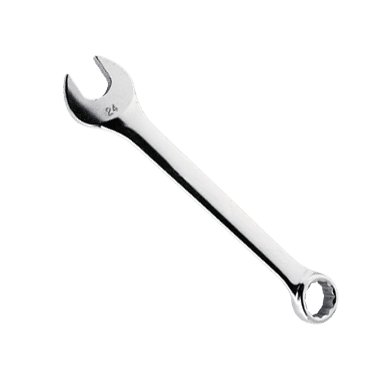
- 🛠️ Metric combination wrench set (8mm–19mm)
- 🛠️ Hex/Allen socket set (metric, 5mm–12mm)
- 🛠️ Torque wrench (range 5–80 ft-lbs)
- 🛠️ Large drain pan (at least 8-quart capacity)
- 🛠️ Fluid transfer pump or hand pump (for ATF)
- 🛠️ Clear plastic hose (to fit pump outlet)
- 🛠️ Funnel with small tip
- 🛠️ Flat-blade screwdriver (medium size)
- 🛠️ Trim clip removal tool
- 🛠️ Shop rags or paper towels
- 🛠️ Brake cleaner spray
- 🛠️ OBD2 scanner with live data (reads transmission fluid temperature) (specialty)
- 🛠️ Safety glasses
- 🛠️ Nitrile gloves
- 🛠️ Flashlight or work light
🔩 Required Parts
HowToo sells all the parts you need for this repair:
- 🧩 Toyota WS automatic transmission fluid - Qty: 4–5 quarts (for one drain-and-fill)
- 🧩 Transmission drain plug gasket/washer - Qty: 1
- 🧩 Transmission check/fill plug gasket/washer - Qty: 1
- 🧩 Shop towels - Qty: 1 pack
- 🧩 Disposable gloves - Qty: 1 box
- 🧩 Absorbent floor pads or cardboard - Qty: As needed
📋 Before You Begin
- Park your Camry on a flat, level surface. Set the parking brake and chock the rear wheels.
- Make sure you have at least 4 quarts of Toyota WS fluid on hand; do not start without enough fluid.
- Plug in your OBD2 scanner and confirm it can show Transmission Fluid Temperature (TFT) or a similar reading.
- Lay cardboard or pads under the front of the car to catch any spills.
- Gather all tools near the car so you’re not crawling in and out repeatedly.
🔨 Step-by-Step Instructions
Follow these steps in order:
Step 1: Raise and support the car
- Use the floor jack on the front center jacking point (under the subframe) to lift the front of your Camry.
- Place jack stands under the front pinch welds (the reinforced seam under each front door).
- Lower the car gently onto the stands using the floor jack.
- Repeat for the rear if you want all four wheels off the ground, or at least make sure the front is high and the car is as level as possible.
- Shake the car gently by hand to confirm it is stable on the stands.
Step 2: Remove the engine under-cover (splash shield)
- Use a 10mm socket and ratchet to remove the bolts holding the plastic shield under the engine and transmission.
- Use a trim clip removal tool or flat-blade screwdriver to pop out any plastic clips.
- Lower the shield and set it aside. This gives you access to the transmission pan.
Step 3: Locate the transmission drain and check/fill points
- From under the car, find the transmission pan on the driver’s side of the engine bay (flat metal/black pan).
- Identify the drain plug on the bottom of the pan.
- Locate the check/fill plug on the side of the transmission case (usually facing the front or side). This is where new fluid goes in and the level is checked.
- Take a picture so you remember each plug location.
Step 4: Loosen the check/fill plug first
- Place the drain pan under the check/fill plug area, just in case a little fluid drips.
- Use the correct size socket or hex socket with ratchet to carefully crack the check/fill plug loose, but do not remove it fully yet.
- This confirms you will be able to refill the transmission before you drain it.
- If this plug is seized, stop the job here.
Step 5: Drain the old transmission fluid
- Move the drain pan under the transmission drain plug.
- Use the correct size hex socket and ratchet to remove the drain plug slowly, letting fluid pour into the pan.
- Let it drain until it becomes a slow drip. This may take 10–15 minutes.
- While it drains, look at the fluid color: dark brown/black or burned smell means it was overdue.
Step 6: Reinstall the drain plug with new gasket
- Clean the drain plug with brake cleaner spray and a rag.
- Install the new drain plug gasket/washer onto the plug.
- Thread the plug back into the pan by hand to avoid cross-threading.
- Use a torque wrench and correct socket/hex to tighten the drain plug to the factory spec: Torque to 39 Nm (29 ft-lbs).
- Wipe the area dry with a clean rag.
Step 7: Measure the drained fluid
- Pour the old fluid from the drain pan into an empty, marked container (like an old oil jug) using a funnel.
- Note exactly how much fluid came out (in quarts or liters). You will put back about the same amount of new fluid.
- This helps prevent overfilling or underfilling.
Step 8: Fill new ATF through the check/fill port
- Remove the loosened check/fill plug completely using the correct socket or hex socket.
- Attach the clear hose to your fluid transfer pump, and place the other end into a quart bottle of Toyota WS ATF.
- Insert the hose into the check/fill hole.
- Pump in new fluid slowly. Start by adding the same amount you measured out in Step 7 (usually about 3–4 quarts for a single drain-and-fill).
- Reinstall the check/fill plug by hand, just snug enough so it doesn’t leak while you prepare for level check later.
Step 9: Warm up the transmission to the correct temperature
- Lower the car enough so you can safely start it, but keep it on the jack stands and level.
- Start the engine with your foot on the brake.
- With the engine idling, move the shifter slowly through all gears: P → R → N → D, pausing 2–3 seconds in each, then back to P. Do this 2–3 times to circulate the new fluid.
- Leave the engine idling in Park.
- Connect your OBD2 scanner, go to live data, and find the Transmission Fluid Temperature reading.
- Let the engine idle until the transmission fluid reaches around 40–45°C (104–113°F). This is the correct range for checking the fluid level.
Step 10: Final fluid level check and adjustment
- With the engine running, parking brake on, and the car level on jack stands, go back under the car carefully (keep clear of moving parts).
- Place the drain pan under the check/fill plug.
- Use the correct socket or hex socket to slowly remove the check/fill plug.
- Observe what happens:
- If a small thin stream of fluid comes out and then slows to a drip, the level is correct.
- If no fluid comes out, the level is low: pump in more WS fluid using the fluid transfer pump until it just starts to flow out, then let it drip until it slows.
- If fluid gushes out heavily, wait until it slows to a thin stream and then a drip. That is the correct level.
- Once at the “small stream then drip” stage, install a new check/fill plug gasket on the plug.
- Thread the check/fill plug in by hand, then tighten it using a torque wrench: Torque to 49 Nm (36 ft-lbs).
- Wipe the area completely clean with a rag and brake cleaner spray.
Step 11: Reinstall the under-cover and lower the car
- Turn the engine off and remove the key.
- Reinstall the plastic under-cover using the 10mm socket, ratchet, and the clips with the trim clip tool.
- Use the floor jack to lift the car slightly, remove the jack stands, and lower the car back to the ground.
- Remove the wheel chocks.
Step 12: Clean up and dispose of old fluid
- Pour the old ATF into sealed containers using a funnel.
- Wipe up any spills with shop rags and dispose of them properly.
- Take the used fluid to a recycling center or shop that accepts used oil and ATF.
✅ After Repair
- Start the engine and let it idle for a few minutes. Check under the car for any leaks at the drain and check/fill plugs.
- Take a short, gentle test drive (10–15 minutes). Shift through all gears and make sure shifting feels smooth.
- Park on a level surface and check again underneath for any fresh fluid drips.
- If shifting feels harsh or unusual, or you see leaks, stop driving and recheck your work.
- This simple drain-and-fill can be repeated again after a few hundred or 1,000 miles if the old fluid was very dirty to refresh more of the fluid.
💰 DIY vs Shop Cost
Shop Cost: $220–$350 (parts + labor)
DIY Cost: $60–$100 (fluid + gaskets + supplies)
You Save: $120–$290 by doing it yourself!
Shop labor rates typically run $100–$150/hour. This repair takes a shop approximately 1.5–2.0 hours.
🎯 Ready to get started?
HowToo makes it easy: same-day/2-day shipping on every part, plus all the tools and specialty tools you need! Check out the parts and tools sections above to add everything to your cart.
Guide for Automatic Transmission Fluid replace for these Toyota vehicles
| Year Make Model | Sub Model | Engine | Body Style |
|---|---|---|---|
| 2024 Toyota Camry | - | - | - |
| 2023 Toyota Camry | - | - | - |
| 2022 Toyota Camry | - | - | - |
| 2021 Toyota Camry | - | - | - |
| 2020 Toyota Camry | - | - | - |
| 2019 Toyota Camry | - | - | - |
| 2018 Toyota Camry | - | - | - |
| 2017 Toyota Camry | - | - | - |
| 2016 Toyota Camry | - | - | - |
| 2015 Toyota Camry | - | - | - |
| 2014 Toyota Camry | - | - | - |
| 2013 Toyota Camry | - | - | - |
| 2012 Toyota Camry | - | - | - |
| 2011 Toyota Camry | - | - | - |
| 2010 Toyota Camry | - | - | - |
| 2009 Toyota Camry | - | - | - |
| 2008 Toyota Camry | - | - | - |
| 2007 Toyota Camry | - | - | - |