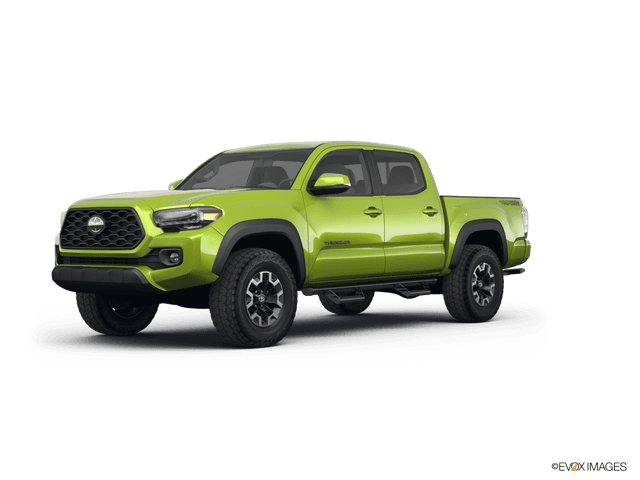














2022 Toyota Tacoma Power Steering Problem: No Pump to Replace Explained
Troubleshooting heavy steering and EPS warnings on your 2022 Tacoma with step-by-step electric power steering checks, tools, and repair options for 2016, 2017, 2018, 2019, 2020, 2021, 2022, 2023
2022 Toyota Tacoma Power Steering Problem: No Pump to Replace Explained
Troubleshooting heavy steering and EPS warnings on your 2022 Tacoma with step-by-step electric power steering checks, tools, and repair options for 2016, 2017, 2018, 2019, 2020, 2021, 2022, 2023


🔧 Tacoma - Power Steering Pump Replacement
Your Tacoma does not have a traditional power steering pump. Toyota switched this generation to electric power steering, so there is no belt-driven hydraulic pump to replace. The assist is provided by an electric motor and control module on the steering rack.
Difficulty Level: n/a for pump replacement (no pump installed) | Estimated Time: n/a
⚠️ Safety & Precautions
- ⚠️ If your steering feels heavy or shows a warning light, avoid driving at high speed until diagnosed.
- ⚠️ Electric power steering has high-current wiring; battery should be disconnected before any work on the steering rack or EPS motor.
- ⚠️ Steering components are critical for safety; incorrect repairs can cause loss of control.
🔧 Required Tools
You'll need the following tools only if you move on to steering diagnosis or other repairs (since there is no pump to replace):
- 10mm socket
- 12mm socket
- 14mm socket
- Socket wrench (3/8" drive)
- Socket extension 6"
- Flathead screwdriver medium
- Trim removal tool set (plastic)
- Digital multimeter (automotive) (specialty)
- OBD2 scan tool with Toyota EPS support (specialty)
- Floor jack (rated 3-ton minimum)
- Jack stands (rated 3-ton minimum)
- Torque wrench 10–150 ft-lbs range
- Work gloves
- Safety glasses
🔩 Required Parts
HowToo sells all the parts you need for steering-related repairs (but there is no power steering pump on your Tacoma to replace):
- Electric power steering rack assembly - Qty: 1 (only if confirmed faulty)
- Electric power steering motor/control module - Qty: 1 (if available separately and confirmed faulty)
- Front lower steering shaft/ujoint - Qty: 1 (only if worn or seized)
- Steering rack mounting bolts (single-use if specified) - Qty: 4
- Front subframe bolts (single-use if removed) - Qty: 4
- Dielectric grease - Qty: 1 tube
- Battery terminal cleaner - Qty: 1
📋 Before You Begin
- Park the Tacoma on level ground, set the parking brake, and chock the rear wheels.
- Center the steering wheel with the front wheels pointed straight ahead.
- Turn the ignition OFF and remove the key (or turn off ignition button and open driver door once).
- Disconnect the negative battery terminal using a 10mm socket if you will touch any steering connectors, EPS motor, or rack.
- Wait at least 90 seconds after battery disconnect before unplugging any EPS connectors to allow modules to power down.
🔨 Step-by-Step Instructions
Follow these steps in order:
Step 1: Understand Your Steering System
- Your Tacoma uses electric power steering (EPS), which means an electric motor on the steering rack provides assist instead of a hydraulic pump, fluid, and hoses.
- There is no power steering fluid reservoir, no pump on the engine belt, and no hoses to replace.
- Check: if you see no PS fluid cap, you have EPS.
Step 2: Confirm Your Symptom
- If the steering is heavy and a steering or EPS warning light is on, the issue is likely electrical or with the steering rack, not a pump.
- If the steering is heavy but there are no lights and it feels “notchy” or binds, it could be a mechanical problem in the rack or steering shaft.
- If the steering is normal but you just want to “replace the pump” as maintenance, this is not needed because there is no pump or fluid to service.
Step 3: Basic Checks (No Disassembly)
- Use an OBD2 scan tool with Toyota EPS support and scan all systems for codes.
- Write down any EPS or steering-related codes exactly as shown.
- With engine idling, gently turn the steering wheel left and right while parked and listen for grinding, clunking, or clicking from the rack area.
- If you hear loud mechanical noise or feel strong vibration, the rack itself may be failing and should be evaluated by a professional.
Step 4: Battery and Connections Check
- Use a 10mm socket to remove the negative battery terminal and inspect for corrosion.
- Clean any white or blue buildup with battery terminal cleaner and a brush.
- Check main ground cables from battery to body and to engine using a 12mm socket for tightness.
- Weak battery or loose grounds can cause EPS faults.
Step 5: Visual Check of EPS Harness and Connectors
- Raise the front of the Tacoma with a floor jack (3-ton) and support it on jack stands under the frame.
- Locate the steering rack behind the front crossmember; the large electrical connectors on it are for the EPS motor/module.
- Use a trim removal tool set or flathead screwdriver to gently release any plastic covers or clips to see the connectors.
- Inspect connectors for water intrusion, damage, or loose locking tabs.
- Do not unplug connectors unless the battery negative terminal is disconnected and you have waited at least 90 seconds.
Step 6: When Replacement Is Needed (Rack/Motor, Not Pump)
- If diagnostic codes and testing confirm a failed steering rack or EPS motor, the repair is to replace the entire EPS rack assembly, not a pump.
- This job on a late-model Tacoma typically requires lowering the front subframe, disconnecting the steering shaft, and re-centering/calibrating the steering with a scan tool.
- This is an advanced repair best done in a shop.
- Because of alignment, torque, and calibration needs, I strongly recommend a professional for rack replacement, especially for a first-time DIYer.
Step 7: Reconnect Battery After Any Checks
- Once you have finished checks, reinstall the negative battery terminal with a 10mm socket.
- Torque to 5 Nm (4 ft-lbs) so it is snug but not crushed.
- Start the engine and turn the steering wheel lock-to-lock slowly while parked to verify normal assist, if you only performed visual/electrical checks.
✅ After Repair
- After any steering work, test drive at low speed in an open area and check that the steering wheel is centered, assist feels even, and no warning lights come on.
- If the steering wheel is off-center, the truck pulls, or lights return, have an alignment and EPS calibration done with a scan tool.
- Do not use full steering lock for long periods; that’s a good habit, even with EPS.
💰 DIY vs Shop Cost
Shop Cost: For a failed EPS rack on your Tacoma, a shop typically charges about $1,400–$2,200 (parts + labor) including alignment and calibration.
DIY Cost: If you attempted a full EPS rack replacement yourself, parts would usually run $800–$1,400.
You Save: $600–$800 in labor, but this repair is advanced and safety-critical, so for most beginners it’s better to pay for professional work.
Shop labor rates vary but typically run $100–$150/hour. This repair takes a shop approximately 4–6 hours including alignment and calibration.
🎯 Ready to get started?
HowToo makes it easy: same-day/2-day shipping on every part, plus all the tools and specialty tools you need! Check out the parts and tools sections above to add everything to your cart.