














2020 Chevrolet Traverse 3.6L V6 Timing Belt vs Timing Chain: Diagnose & Replace the Serpentine Belt
Step-by-step serpentine belt replacement with tools list, safety tips, routing checks, and common timing chain warning signs
2020 Chevrolet Traverse 3.6L V6 Timing Belt vs Timing Chain: Diagnose & Replace the Serpentine Belt
Step-by-step serpentine belt replacement with tools list, safety tips, routing checks, and common timing chain warning signs


🔧 Traverse - Timing Belt Replacement
Your Traverse’s 3.6L V6 does not use a timing belt—it uses a timing chain. Timing chains aren’t a routine maintenance item like belts, and replacing them is a major, precision job.
Before I steer you wrong: many people mean the serpentine belt (the outside belt that drives the alternator/A/C). I can walk you through that safely.
Difficulty Level: Intermediate (serpentine belt) / Advanced (timing chain) | Estimated Time: 0.5-1.0 hours (serpentine belt) / 10-16+ hours (timing chain)
⚠️ Safety & Precautions
- 🛑 Work on a cool engine—belts and pulleys can burn you.
- 🧤 Keep hands/tools clear of moving pulleys; never work with the engine running.
- 🧱 If you raise the vehicle, support it with jack stands—never rely on a jack alone.
- 🔋 Battery disconnect is not required for serpentine belt replacement, but remove the key/fob from the vehicle to prevent auto-start.
🔧 Required Tools
You'll need the following tools for this repair:
- Safety glasses
- Nitrile gloves
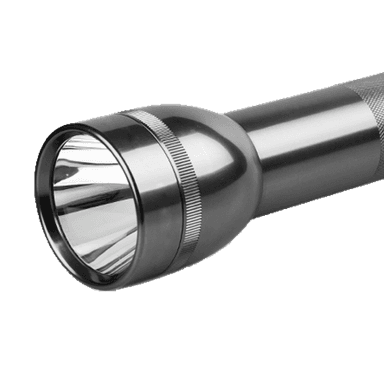
- Flashlight
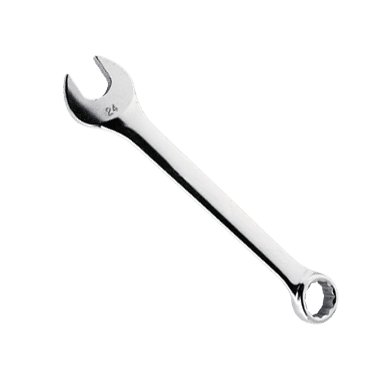
- 15mm box wrench
- 3/8" drive ratchet
- 3/8" drive breaker bar
- Serpentine belt tool (specialty)
- Trim clip tool
- Floor jack (rated 3-ton minimum)
- Jack stands (rated 3-ton minimum)
- Wheel chocks
🔩 Required Parts
HowToo sells all the parts you need for this repair:
- Serpentine belt - Qty: 1
- Serpentine belt tensioner - Qty: 1 (optional, if weak/noisy)
- Idler pulley - Qty: 1 (optional, if noisy)
📋 Before You Begin
- Park on level ground, shift to Park, and set the parking brake.
- Open the hood and let the engine fully cool.
- If you need more room, raise the right-front and support with jack stands; place wheel chocks at the rear wheels.
- Find the belt routing diagram (often on a sticker under the hood). If it’s missing, take a clear photo of the current routing before removing the belt.
🔨 Step-by-Step Instructions
Follow these steps in order:
Step 1: Confirm you’re replacing the correct “belt”
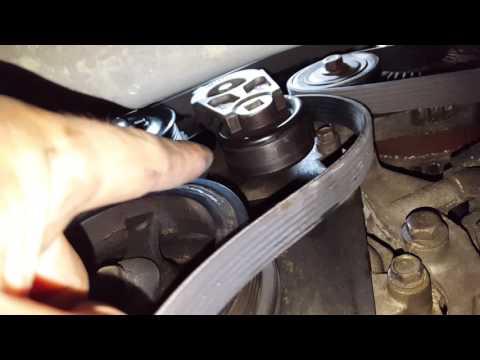
- Look at the front/right side of the engine for a wide, ribbed belt running over multiple pulleys (alternator/A/C). That is the serpentine belt.
- If you were trying to replace a “timing belt,” stop here—your Traverse doesn’t have one.
Step 2: Remove covers for access (if equipped)
- Remove the plastic engine cover by pulling upward evenly by hand (it’s held by rubber grommets).
- If an upper air duct/splash shield blocks access, remove fasteners using a trim clip tool.
Step 3: Locate the belt tensioner and unload tension
- Find the belt tensioner (spring-loaded arm with a pulley).
- Install a 15mm box wrench on the tensioner hex, or use a serpentine belt tool (specialty) if space is tight.
- Rotate the tensioner smoothly to relieve belt tension. Move it slowly; it snaps back hard.
Step 4: Remove the old belt
- While holding the tensioner rotated, slip the belt off the easiest top pulley first (often the alternator).
- Slowly release the tensioner back to its resting position.
- Pull the belt out and compare it to the new belt length/rib count.
Step 5: Inspect pulleys and tensioner before installing the new belt
- Spin each pulley by hand and listen/feel for grinding or wobble.
- Check the tensioner pulley for noise and the tensioner arm for smooth spring action.
- If any pulley is noisy or wobbly, plan to replace that component before installing the new belt.
Step 6: Route and install the new belt
- Route the new belt to match the under-hood diagram (use your flashlight to confirm each rib sits in each pulley groove).
- Leave the easiest pulley for last (usually a smooth idler or alternator).
- Rotate the tensioner again using the 15mm box wrench or serpentine belt tool (specialty), slip the belt onto the final pulley, then release the tensioner slowly.
Step 7: Final alignment check
- Visually confirm the belt is centered on every pulley and not riding on an edge.
- Reinstall any covers/ducting you removed using the trim clip tool.
✅ After Repair
- Start the engine and watch the belt for 10-15 seconds (hands clear). It should run smoothly with no wandering.
- Listen for squeal or chirp. If present, shut off and re-check routing and pulley condition.
- After a short drive, do a quick re-check for proper belt seating.
💰 DIY vs Shop Cost
Shop Cost: $150-$350 (serpentine belt) / $2,500-$5,000+ (timing chain job)
DIY Cost: $35-$90 (serpentine belt) / Not recommended DIY for first-timer (timing chain)
You Save: $115-$260 by doing the serpentine belt yourself!
Shop labor rates vary but typically run $100-$150/hour. This repair takes a shop approximately 0.5-1.0 hours.
🎯 Ready to get started?
HowToo makes it easy: same-day/2-day shipping on every part, plus all the tools and specialty tools you need! Check out the parts and tools sections below to add everything to your cart.
Two quick questions so I guide you correctly:
- Are you trying to replace the serpentine belt (outside belt), or were you specifically told the timing chain needs service?
- If timing chain: are you getting symptoms like cold-start rattling, a Check Engine light, or timing-related codes?