












2019 Toyota Highlander Power Steering Pump Replacement? EPS Diagnosis & Steering Assist Fix Guide
Learn why there’s no hydraulic pump, how to scan EPS codes, check battery/fuses, and when to replace the steering gear for 2014, 2015, 2016, 2017, 2018, 2019
2019 Toyota Highlander Power Steering Pump Replacement? EPS Diagnosis & Steering Assist Fix Guide
Learn why there’s no hydraulic pump, how to scan EPS codes, check battery/fuses, and when to replace the steering gear for 2014, 2015, 2016, 2017, 2018, 2019


🔧 Highlander - Power Steering Pump Replacement
Your Highlander does not use a hydraulic power steering pump. It uses Electric Power Steering (EPS), so there’s no pump, belt-driven pulley, or power steering fluid to replace like on older systems.
If you’re having steering problems, the fix is usually in the EPS system (battery/charging, fuses, steering gear/EPS motor, or sensors), not a pump.
Difficulty Level: Intermediate | Estimated Time: 0.5-1.5 hours (basic checks) / 4-8 hours (steering gear replacement)
⚠️ Safety & Precautions
- ⚠️ Keep hands clear of the steering shaft and linkage while testing; EPS can assist suddenly.
- ⚠️ If lifting the front wheels, support the SUV with jack stands before working underneath.
- ⚠️ If working near airbags/steering column connectors, disconnect the battery and wait before unplugging connectors.
- ⚠️ If the steering wheel is off-center after work, you may need calibration/alignment.
🔧 Required Tools
You'll need the following tools for this repair:
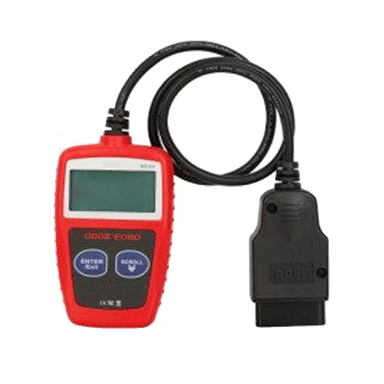
- OBD2 scan tool with Toyota EPS code reading (specialty)
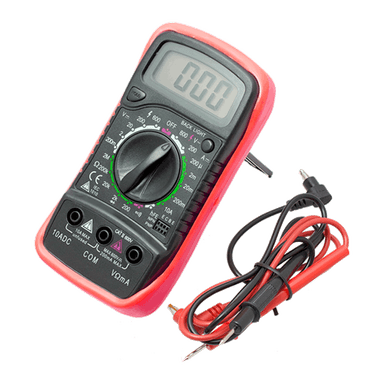
- Digital multimeter
- 10mm socket
- 12mm socket
- 14mm socket
- 3/8" ratchet
- 3/8" torque wrench
- Trim clip removal tool
- Floor jack (rated 3-ton minimum)
- Jack stands (rated 3-ton minimum)
- Wheel chocks
- Safety glasses
- Mechanic gloves
🔩 Required Parts
HowToo sells all the parts you need for this repair:
- None (no power steering pump on EPS system) - Qty: 0
- EPS steering gear assembly - Qty: 1 (only if diagnosed failed)
- Steering intermediate shaft pinch bolt/nut - Qty: 1 (if specified for one-time use)
- Front subframe/undercover clips - Qty: as needed
📋 Before You Begin
- Park on level ground, set the parking brake, and use wheel chocks behind the rear wheels.
- If your steering is heavy, try not to force the wheel against the stops (full lock) repeatedly.
- Plan to do a scan first—EPS issues often store codes that point directly to the cause.
- If you will unplug EPS/steering connectors: disconnect the negative battery cable with a 10mm socket.
🔨 Step-by-Step Instructions
Follow these steps in order:
Step 1: Confirm you have EPS (not hydraulic)
- Open the hood and look for a power steering fluid reservoir (a small tank with “Power Steering” type labeling). Your Highlander’s EPS system typically has no reservoir and no pump.
- If you do see a leaking fluid reservoir/hoses, tell me—something would be non-standard.
Step 2: Check for warning lights and scan EPS codes
- Turn the ignition ON and note any EPS/steering wheel warning light on the dash.
- Plug in an OBD2 scan tool with Toyota EPS code reading (specialty) and pull codes from the Power Steering/EPS module (not just “Engine”).
- Write down the exact codes (example format: C15XX or U0XXX). Those codes decide the correct repair.
Step 3: Verify battery and charging health (very common cause)
- Use a digital multimeter to check battery voltage with engine OFF: you want roughly 12.4-12.8V.
- Start the engine and check charging voltage: typically around 13.5-14.7V.
- Low voltage can disable EPS assist.
Step 4: Check EPS-related fuses (quick win)
- Turn ignition OFF.
- Use a trim clip removal tool as needed to open fuse access covers.
- Inspect EPS/Power Steering labeled fuses in the underhood and interior fuse panels (your owner’s manual fuse map helps here).
Step 5: If codes point to the steering gear/EPS motor, plan the correct repair
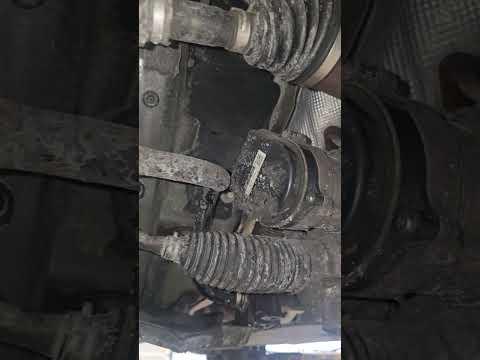
- The “EPS motor” is the electric assist motor, usually built into the steering gear (rack) on your Highlander.
- If the scan codes indicate an internal EPS motor/gear failure, replacement typically involves raising the vehicle and removing undercovers and steering connections.
- Use a floor jack (rated 3-ton minimum) and support with jack stands (rated 3-ton minimum) before going underneath.
Step 6: Don’t replace parts until the code-based diagnosis is confirmed
- Unlike a hydraulic pump, EPS problems can be caused by battery/alternator, wiring, torque sensor, steering angle sensor, or the rack itself.
- Replacing the steering gear without confirming codes can be an expensive guess.
✅ After Repair
- Clear EPS codes with the OBD2 scan tool with Toyota EPS code reading (specialty) and re-check after a short drive.
- Verify steering assist is smooth lock-to-lock while stopped (don’t hold at full lock).
- If any steering/suspension parts were replaced, get a 4-wheel alignment.
- If the steering wheel is not centered, do not ignore it—have alignment/calibration checked.
💰 DIY vs Shop Cost
Shop Cost: $150-$350 (diagnosis/electrical checks) or $1,600-$3,200 (steering gear/EPS rack parts + labor + alignment)
DIY Cost: $0-$60 (basic checks) or $800-$2,200 (steering gear parts only, plus alignment)
You Save: $150-$1,000+ by doing the diagnosis and/or repair yourself!
Shop labor rates vary but typically run $100-$150/hour. This repair takes a shop approximately 1-2 hours (diagnosis) or 4-8 hours (steering gear).
🎯 Ready to get started?
HowToo makes it easy: same-day/2-day shipping on every part, plus all the tools and specialty tools you need! Check out the parts and tools sections below to add everything to your cart.
Two quick questions so I can point you to the exact fix:
- 🔍 What symptom do you have: heavy steering all the time, only at low speed, or intermittent with a warning light?
- 🔍 Do you have any EPS/steering warning light or stored codes (tell me the code numbers)?