















2019 Ford Explorer Power Steering Fix: No Pump, EPAS Troubleshooting Guide
Step-by-step electric power steering (EPAS) diagnosis, safety checks, parts list, and repair options when there’s no power steering pump to replace
2019 Ford Explorer Power Steering Fix: No Pump, EPAS Troubleshooting Guide
Step-by-step electric power steering (EPAS) diagnosis, safety checks, parts list, and repair options when there’s no power steering pump to replace


🔧 Explorer - Power Steering System (No Pump to Replace)
On your Explorer, there is no traditional power steering pump to replace. Ford uses an electric power steering system (EPAS), which uses an electric motor on the steering rack instead of a belt-driven hydraulic pump.
Difficulty Level: — | Estimated Time: — (component not present)
⚠️ Safety & Precautions
- ⚠️ If the steering feels very heavy or jerky, avoid driving at high speeds until it is checked—loss of steering assist is dangerous.
- ⚠️ Never work under the vehicle with only a jack; always support with jack stands if you get under it.
- ⚠️ Disconnect the battery negative terminal if you unplug any steering or airbag connectors to avoid accidental deployment.
🔧 Required Tools
You'll need the following tools for basic inspection (not pump replacement):
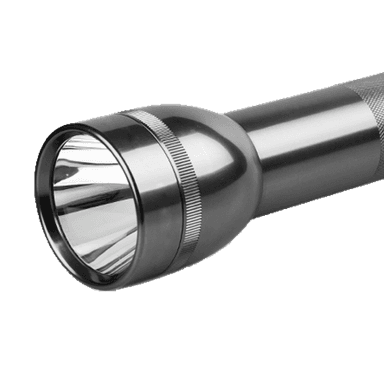
- 🔹Flashlight
- 🔹Floor jack (rated 3-ton minimum)
- 🔹Jack stands (rated 3-ton minimum)
- 🔹Wheel chocks
- 🔹Gloves
- 🔹Safety glasses
🔩 Required Parts
HowToo sells all the parts you need for steering repairs:
- 🔹Electric power steering rack and motor assembly - Qty: 1 (only if failed)
- 🔹Steering intermediate shaft - Qty: 1 (only if worn)
- 🔹Front lower control arms with ball joints - Qty: 2 (replace in pairs if worn)
- 🔹Outer tie rod ends - Qty: 2 (replace in pairs if worn)
📋 Before You Begin
- Park the Explorer on level ground, engage the parking brake, and set wheel chocks behind the rear wheels.
- Turn the steering wheel lock-to-lock with the engine running and listen for any grinding, clicking, or whining noises.
- If you plan to unplug any connectors on the steering rack or related wiring, disconnect the battery negative cable with a 10mm wrench and wait 5–10 minutes.
🔨 Step-by-Step Instructions
Follow these steps in order:
Step 1: Understand Your Steering System
- Your Explorer uses EPAS (Electric Power-Assisted Steering), not a hydraulic system.
- That means there is no power steering pump, no power steering fluid reservoir, and no power steering hoses to replace.
- The assist is provided by an electric motor and control module built into the steering rack behind the engine crossmember.
- This is why you cannot replace "the pump"—it doesn’t exist here.
Step 2: Basic Checks You Can Do
- Use the flashlight to look around the front of the engine bay on the passenger and driver side for any fluid reservoirs labeled “Power Steering”. You will only see brake fluid, coolant, washer fluid, etc.
- With the engine running and the SUV in Park:
- Turn the wheel slowly from full left to full right.
- Note if the steering effort is heavy all the time, only at low speeds, or cuts in and out.
- Listen for clunks (could be tie rods or suspension) vs. a buzzing/whining from the steering rack area.
- Write down exactly what you feel and hear.
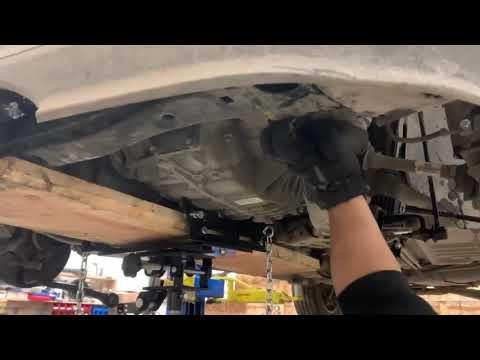
Step 3: Quick Visual Inspection Underneath
- Use the floor jack (3-ton) to lift the front of the Explorer at the front jacking point and support it securely with jack stands under the proper frame points.
- Use the flashlight and look at:
- The steering rack (mounted on the subframe) – it will have an electric motor on it, but no fluid hoses.
- Outer tie rods at the steering knuckles for torn boots or play.
- There should be no wet, oily power steering leaks because there is no fluid system.
Step 4: When the Steering Rack May Need Replacement
- Common signs the electric steering rack/motor assembly is failing:
- Steering suddenly becomes very heavy, especially after a restart.
- “Steering Assist Fault – Service Required” or similar message on the dash.
- Intermittent loss of power assist with warning lights.
- On this Explorer, replacing the EPAS rack is an advanced job:
- Subframe needs to be lowered or removed.
- Steering wheel and airbag angle need to be kept centered.
- A scan tool is needed to perform steering angle and EPAS calibration.
- This is not a beginner-level driveway task.
Step 5: Next Best Step for You
- Since you asked about the pump, your symptoms may feel like “no power steering.”
- Please tell me:
- Is the steering heavy all the time, or only at certain times?
- Do you have any warning messages or lights on the dash?
- Once you share that, I can:
- Help you narrow it down (steering rack vs. suspension vs. alignment).
- Explain whether DIY is realistic for you, or if it should go to a shop.
✅ After Repair
- For EPAS steering rack replacement, a shop must usually:
- Perform a steering angle sensor calibration with a scan tool.
- Perform an EPAS module calibration.
- Do a 4-wheel alignment after the rack is replaced.
- After any steering or suspension work, test drive at low speed first and confirm the wheel is centered and the SUV tracks straight.
💰 DIY vs Shop Cost
Shop Cost: If the EPAS rack needed replacement, typically $1,500–$2,300 (parts + labor).
DIY Cost: Rack alone is often $700–$1,200 (parts only), plus alignment.
You Save: $400–$1,000 in labor if you had the tools, space, and experience—but this is not recommended for a first-time DIYer.
Shop labor rates vary but typically run $100–$150/hour. This repair takes a shop approximately 3–5 hours including alignment and calibration.
🎯 Ready to get started?
There is no power steering pump on your Explorer to replace, but HowToo can supply a replacement electric steering rack, tie rod ends, and related parts if needed. Tell me your exact steering symptoms and any warning messages, and I’ll guide you step-by-step on what to check next and whether it’s realistic for you to tackle at home.