









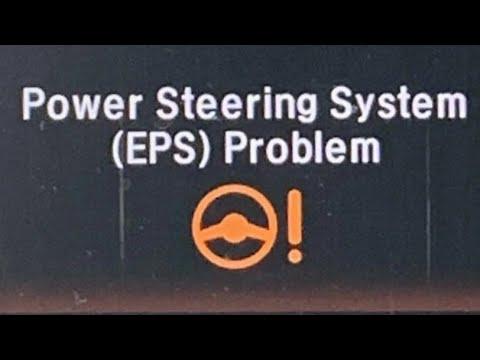





2018 Toyota Prius Power Steering Pump Replacement? Fix EPS Steering Assist Instead
Step-by-step Electric Power Steering diagnosis: codes, 12V battery, fuses, and EPS rack options
2018 Toyota Prius Power Steering Pump Replacement? Fix EPS Steering Assist Instead
Step-by-step Electric Power Steering diagnosis: codes, 12V battery, fuses, and EPS rack options


🔧 Prius - Power Steering Pump Replacement (Not Applicable) / EPS Assist Diagnosis
Your Prius does not have a hydraulic power steering pump. It uses Electric Power Steering (EPS), which is an electric motor and control system that provides steering assist—so there’s no pump, no belt-driven pulley, and no power steering fluid to replace.
What I can help you do instead is the correct Prius-equivalent workflow: confirm an EPS fault, check the 12V power supply/fuses, and identify whether the likely replaceable component is the EPS steering gear (rack) assembly or a power/ground issue.
Difficulty Level: Beginner–Intermediate | Estimated Time: 0.5–1.5 hours
⚠️ Safety & Precautions
- ⚠️ Keep the car OFF and the key/fob away so it can’t wake up.
- ⚠️ If you’ll touch EPS wiring/connectors, disconnect the 12V negative battery cable first.
- ⚠️ Avoid any orange high-voltage cables (hybrid system wiring).
- ⚠️ If lifting the car, use jack stands on solid level ground—never rely on a jack alone.
🔧 Required Tools
You'll need the following tools for this repair:
- 10mm socket
- 3/8" drive ratchet
- Torque wrench (5–30 Nm range)
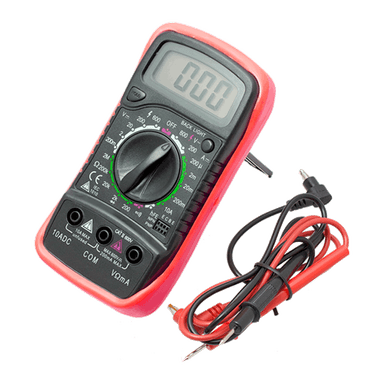
- Digital multimeter
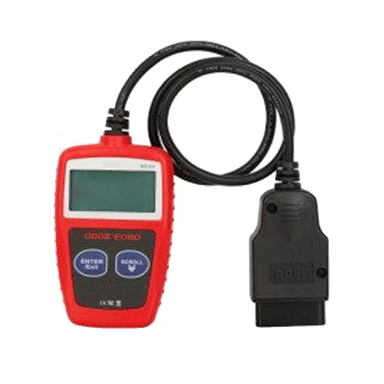
- OBD2 scan tool with Toyota EPS/ABS access (specialty)
- Fuse puller
- Needle-nose pliers
- Safety glasses
- Nitrile gloves
- Flashlight
🔩 Required Parts
HowToo sells all the parts you need for this repair:
- EPS-related fuse(s) (match amperage to fuse-box label) - Qty: 1-2 (only if blown)
- 12V battery (correct fit for Prius) - Qty: 1 (only if failed testing)
📋 Before You Begin
- Park on level ground and set the parking brake.
- Make sure the car is fully OFF (not READY).
- Have your scan tool ready. “EPS/ABS access” means it can read Toyota steering/brake modules, not just generic engine codes.
- If you’ll disconnect the 12V battery, open the hatch first so you don’t lock yourself out.
🔨 Step-by-Step Instructions
Follow these steps in order:
Step 1: Confirm you’re not chasing a “pump” that doesn’t exist
- Open the hood and look for a power steering fluid reservoir—on your Prius, there isn’t one.
- If a shop told you “pump,” what they likely mean is an EPS issue (motor/controller/steering gear) rather than hydraulic parts.
Step 2: Check for EPS trouble codes
- Plug in the OBD2 scan tool with Toyota EPS/ABS access (specialty).
- Turn the car ON (READY if needed for communication) and read codes in the EPS/ABS modules.
- Write down the code numbers and any short descriptions.
- Codes point to the exact circuit.
Step 3: Check 12V battery voltage (common cause of heavy steering)
- With the car OFF, measure voltage at the 12V battery using a digital multimeter.
- If voltage is low, EPS can reduce assist and set warning lights.
Step 4: Inspect battery terminals and grounds
- Disconnect the 12V negative cable using a 10mm socket.
- Inspect for looseness/corrosion, then reinstall and tighten using a 10mm socket.
- Torque to Toyota specification (battery terminal clamp torque varies by design; don’t overtighten).
Step 5: Check EPS-related fuses
- Open the fuse box and identify EPS/power fuses using the lid diagram.
- Remove fuses using a fuse puller and inspect the metal link.
- If blown, replace with the exact same amperage rating using the fuse puller or needle-nose pliers.
Step 6: Recheck steering assist and re-scan
- Reconnect the 12V negative cable using a 10mm socket.
- Start the car (READY) and turn the steering wheel at a stop to confirm assist.
- Re-scan using the OBD2 scan tool with Toyota EPS/ABS access (specialty) to see what codes return.
Step 7: If you still want the “replacement” procedure
- On your Prius, the closest equivalent to “power steering pump replacement” is typically replacing the EPS steering gear (rack) assembly (advanced job).
- That procedure requires exact Toyota torque specs, steering angle calibration steps (often scan-tool guided), and a professional alignment.
- If you paste your EPS code(s) (example format: C1xxx/C15xx) I’ll give you the correct, code-guided repair steps for your Prius without guessing.
✅ After Repair
- Confirm the steering feels normal at low speed and during parking maneuvers.
- Re-scan for EPS/ABS codes using the OBD2 scan tool with Toyota EPS/ABS access (specialty).
- If any steering/suspension parts were removed/loosened: get a 4-wheel alignment.
💰 DIY vs Shop Cost
Shop Cost: $150-$450 (diagnosis + basic electrical fix) or $1,500-$3,000 (EPS rack replacement + alignment)
DIY Cost: $5-$25 (fuses) or $220-$350 (12V battery)
You Save: $125-$425 by doing it yourself (basic fixes)
Shop labor rates vary but typically run $100-$150/hour. This repair takes a shop approximately 0.5-1.5 hours for basic checks.
🎯 Ready to get started?
HowToo makes it easy: same-day/2-day shipping on every part, plus all the tools and specialty tools you need! Check out the parts and tools sections below to add everything to your cart.