













2018 Subaru WRX Power Steering Pump Replacement? Troubleshoot Electric Power Steering (EPS) Instead
Step-by-step EPS diagnostics for heavy steering—battery/charging checks, fuses, wiring, and OBD2 code scan
2018 Subaru WRX Power Steering Pump Replacement? Troubleshoot Electric Power Steering (EPS) Instead
Step-by-step EPS diagnostics for heavy steering—battery/charging checks, fuses, wiring, and OBD2 code scan


🔧 WRX - Power Steering Pump Replacement
Your WRX uses electric power steering (EPS), so it does not have a hydraulic power steering pump, belt-driven pulley, or power steering fluid reservoir to replace. If you’re having heavy steering, a warning light, or a whining noise, the fix is usually in the EPS system (battery/charging, fuses, wiring, steering rack/motor, or an EPS code).
Before I point you to the correct replacement procedure, answer these 2 quick questions: (1) Do you have a power steering/EPS warning light on the dash? (2) Is there any fluid leak under the front of the car?
Difficulty Level: Beginner (checks) / Advanced (rack replacement) | Estimated Time: 0.5-1.0 hours (checks)
⚠️ Safety & Precautions
- ⚠️ Support the car with jack stands before going underneath.
- ⚠️ Keep hands clear of the steering linkage while someone turns the wheel.
- ⚠️ If unplugging EPS connectors, disconnect the negative battery terminal first to prevent accidental EPS activation.
- ⚠️ After any steering/suspension work, a wheel alignment is required.
🔧 Required Tools
You'll need the following tools for this repair:
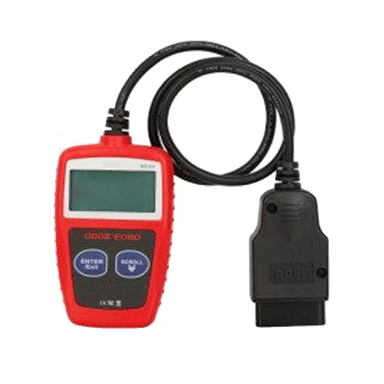
- OBD2 scan tool capable of reading Subaru ABS/EPAS codes (specialty)
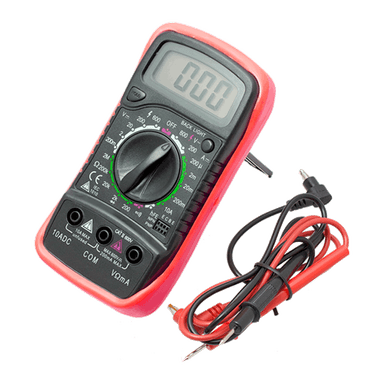
- Digital multimeter
- 10mm socket
- 12mm socket
- Ratchet
- 3/8" torque wrench
- Flat trim tool
- Floor jack (rated 2-ton minimum)
- Jack stands (rated 2-ton minimum)
- Wheel chocks
- Safety glasses
- Mechanic gloves
- Work light
🔩 Required Parts
HowToo sells all the parts you need for this repair:
- No parts required (for EPS checks) - Qty: 0
- Battery terminal anti-corrosion pads - Qty: 1
- Battery terminal cleaner spray - Qty: 1
📋 Before You Begin
- Park on level ground, set the parking brake, and place wheel chocks behind the rear wheels.
- Turn the ignition fully OFF and remove the key (if applicable).
- If you’ll unplug any EPS/steering connectors, disconnect the battery: use a 10mm socket to remove the negative terminal and isolate it so it can’t spring back.
🔨 Step-by-Step Instructions
Follow these steps in order:
Step 1: Confirm it’s EPS (no pump/fluid)
- Open the hood and look for a power steering fluid reservoir—your WRX should not have one because it’s EPS.
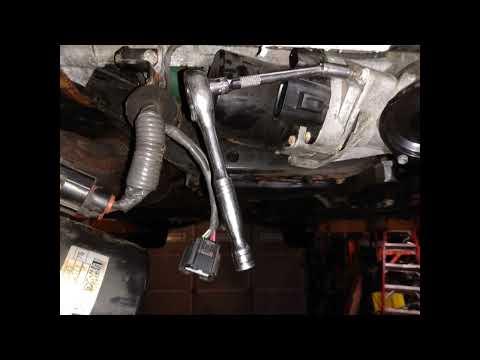
- If you see a small electric motor and wiring at the steering rack area (down low), that’s the EPS assist unit (not a pump).
Step 2: Check battery health and charging (common EPS cause)
- Use a digital multimeter across the battery terminals with the engine OFF; you want roughly ~12.6V on a healthy, fully charged battery.
- Start the engine and check again with the digital multimeter; charging is typically around ~13.5–14.8V.
- Low voltage can disable steering assist.
Step 3: Inspect battery terminals and grounds
- Use a 10mm socket to loosen and remove the negative battery terminal.
- Clean any corrosion (white/green buildup) using battery terminal cleaner spray and a terminal brush (part of many cleaning kits).
- Reinstall the terminal and tighten with a 10mm socket until snug (do not overtighten).
Step 4: Check EPS-related fuses
- Use a flat trim tool to open the interior fuse access panel (driver side lower dash area).
- Check the steering/EPS-related fuses (the fuse box cover diagram will label them).
- If a fuse is blown, replace with the same amperage rating only.
Step 5: Scan for EPS/ABS codes (best next step)
- Plug in an OBD2 scan tool capable of reading Subaru ABS/EPAS codes (specialty).
- Read codes from ABS/VDC and any steering/EPS module your scanner can access.
- Write down the exact code numbers and descriptions.
- The code tells you what to replace.
Step 6: Quick visual inspection at the steering rack area
- Lift the front of the car with a floor jack (rated 2-ton minimum) and support with jack stands (rated 2-ton minimum).
- Use a work light to inspect the steering rack electrical connector(s) and harness for damage, looseness, or water intrusion.
- If you see an unplugged connector, reconnect it firmly until it clicks.
✅ After Repair
- Start the car and turn the steering wheel lock-to-lock slowly in a safe area to confirm assist is back and there are no abnormal noises.
- Re-scan with the OBD2 scan tool and see which codes return immediately.
- If the EPS warning light stays on or steering is still heavy, reply with the exact code(s); the next step may be replacing the steering rack/EPS motor assembly (advanced) and then getting an alignment.
💰 DIY vs Shop Cost
Shop Cost: ₹1,000-₹4,000 (diagnosis/checks) or ₹45,000-₹1,20,000 (rack/EPS assembly replacement + alignment, varies by parts)
DIY Cost: ₹0-₹2,000 (cleaning supplies) or ₹35,000-₹90,000 (parts only if rack/EPS assembly is needed)
You Save: ₹1,000-₹30,000 by doing it yourself!
Shop labor rates vary but typically run ₹800-₹2,000/hour. This repair takes a shop approximately 0.5-1.0 hours for checks.
🎯 Ready to get started?
HowToo makes it easy: same-day/2-day shipping on every part, plus all the tools and specialty tools you need! Check out the parts and tools sections below to add everything to your cart.