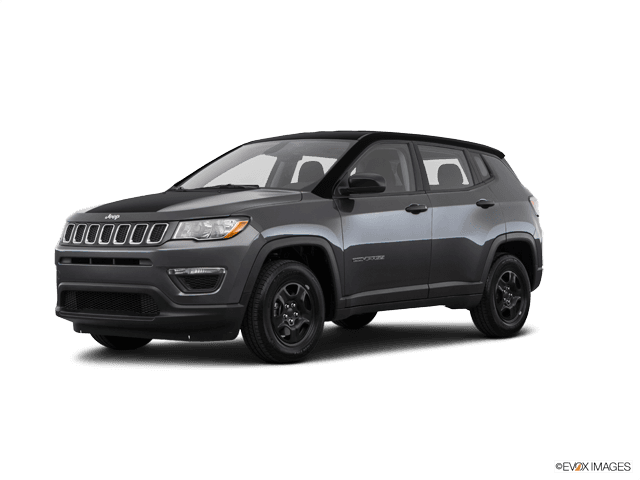














2018 Jeep Compass Power Steering Pump Replacement? Troubleshoot Electric Power Steering (EPS)
Learn why there’s no hydraulic pump and how to diagnose EPS faults with codes, fuses, wiring checks, and rack replacement steps
2018 Jeep Compass Power Steering Pump Replacement? Troubleshoot Electric Power Steering (EPS)
Learn why there’s no hydraulic pump and how to diagnose EPS faults with codes, fuses, wiring checks, and rack replacement steps


🔧 Compass - Power Steering Pump Replacement
Your Compass does not use a hydraulic power steering pump. It uses Electric Power Steering (EPS), where an electric motor and control module assist steering through the steering rack (no pump, no fluid, no pressure hoses).
If you’re having heavy steering or noise, the fix is usually diagnosis/repair of the EPS system (fuses, wiring, battery/charging, EPS rack/motor/module), not a pump replacement.
Difficulty Level: Intermediate | Estimated Time: 0.5-1.0 hours (checks) / 4-8 hours (EPS rack replacement)
⚠️ Safety & Precautions
- ⚠️ Keep hands clear of steering parts with ignition ON; EPS can move unexpectedly.
- ⚠️ If you lift the front end, support it with jack stands on solid points; never rely on a jack.
- ⚠️ Disconnect the negative battery cable before unplugging EPS connectors.
- ⚠️ After steering/suspension work, a professional alignment is required.
🔧 Required Tools
You'll need the following tools for this repair:
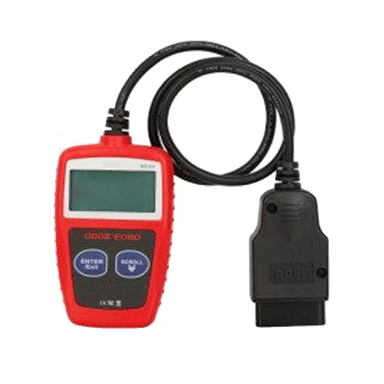
- OBD2 scan tool capable of reading ABS/EPS codes (specialty)
- 10mm socket
- Ratchet
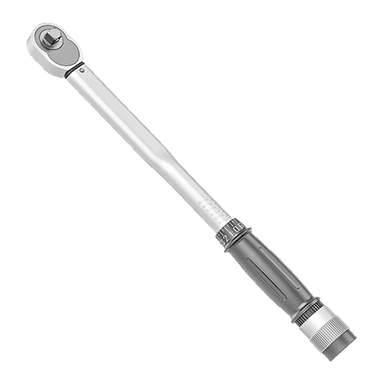
- Torque wrench (10–200 ft-lbs range)
- Floor jack (rated 3-ton minimum)
- Jack stands (rated 3-ton minimum)
- Wheel chocks
- Trim clip remover
- Flashlight
- Safety glasses
- Mechanic gloves
🔩 Required Parts
HowToo sells all the parts you need for this repair:
- Electric power steering rack assembly - Qty: 1
- Steering rack mounting hardware kit - Qty: 1
- Outer tie rod ends - Qty: 2 Replace in pairs.
📋 Before You Begin
- Park on level ground, set the parking brake, and chock the rear wheels.
- Center the steering wheel and remove the key.
- Disconnect the battery negative terminal using a 10mm socket and wait 2 minutes before touching EPS connectors.
- Two quick questions before I give you the exact repair path:
- Do you have an EPS/Steering warning light on the dash?
- What symptom are you fixing: hard steering, no assist, pulling, or noise?
🔨 Step-by-Step Instructions
Follow these steps in order:
Step 1: Confirm there is no power steering pump
- Open the hood and use a flashlight to look for a power steering fluid reservoir (a plastic tank labeled “Power Steering”).
- On your Compass, you should not find one—this confirms it’s EPS, not hydraulic.
Step 2: Check for EPS fault codes (best first step)
- Plug in your OBD2 scan tool capable of reading ABS/EPS codes (specialty).
- Read and write down all codes in the EPS/ABS modules. Codes point to the real failed part.
Step 3: Basic power/ground checks (common causes)
- Inspect the battery terminals for looseness/corrosion (use a 10mm socket if tightening is needed).
- Check the main EPS-related fuses/relays in the underhood fuse box using a flashlight.
- If the battery is weak or charging system is failing, EPS can shut off to protect itself.
Step 4: If replacement is needed, plan for EPS rack replacement
- EPS rack replacement is an advanced job that typically requires lowering the front subframe and then performing steering angle initialization and an alignment.
- I can give you the exact, bolt-by-bolt procedure (including torque specs and initialization steps) once you answer the two questions above, because the steps depend on whether you’re replacing:
- the EPS rack assembly,
- or fixing a power/ground/wiring issue,
- or addressing a sensor/code-related fault.
✅ After Repair
- Clear EPS/ABS codes using the OBD2 scan tool capable of reading ABS/EPS codes (specialty) and confirm they do not return.
- Road test in a safe area: verify steering assist is normal and the steering wheel returns smoothly.
- If any steering/suspension parts were loosened or replaced, get a 4-wheel alignment.
💰 DIY vs Shop Cost
Shop Cost: $1,200-$2,500 (parts + labor)
DIY Cost: $600-$1,800 (parts only)
You Save: $600-$700 by doing it yourself!
Shop labor rates vary but typically run $100-$150/hour. This repair takes a shop approximately 4-8 hours.
🎯 Ready to get started?
HowToo makes it easy: same-day/2-day shipping on every part, plus all the tools and specialty tools you need! Check out the parts and tools sections below to add everything to your cart.