















2018 Ford Mustang Maintenance Guide: Replace Engine Air Filter + Change Oil & Oil Filter
Step-by-step DIY instructions with required tools/parts, safety tips, and oil life reset steps
2018 Ford Mustang Maintenance Guide: Replace Engine Air Filter + Change Oil & Oil Filter
Step-by-step DIY instructions with required tools/parts, safety tips, and oil life reset steps


🔧 Mustang - Engine Air Filter Replacement
Your Mustang’s engine air filter keeps dust and debris out of the engine. Replacing it restores proper airflow, helps performance, and can improve throttle response if the old filter is dirty.
Difficulty Level: Beginner | Estimated Time: 0.2-0.5 hours
⚠️ Safety & Precautions
- ⚠️ Work on a cool engine to avoid burns from hot intake/engine parts.
- ⚠️ Keep tools and fingers away from moving parts if the engine is running (it should be OFF for this job).
- ⚠️ No battery disconnect is required for this repair.
🔧 Required Tools
You'll need the following tools for this repair:
- Nitrile gloves
- Safety glasses
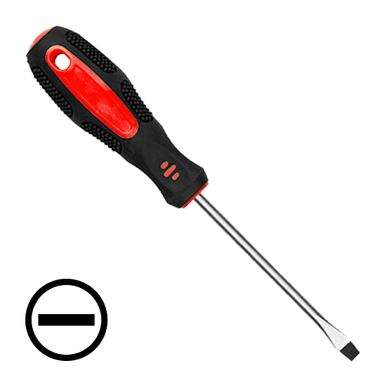
- Flathead screwdriver
- 8mm socket
- 1/4" drive ratchet
- Flashlight
🔩 Required Parts
HowToo sells all the parts you need for this repair:
- Engine air filter - Qty: 1
📋 Before You Begin
- 🧰 Park on level ground, shift to Park, and set the parking brake.
- Open the hood and let the engine bay cool for 15–30 minutes if you just drove.
- Have a flashlight ready so you can see the airbox edges clearly.
🔨 Step-by-Step Instructions
Follow these steps in order:
Step 1: Locate the air filter housing (airbox)
- Open the hood and look for the large black plastic intake box on the front/side of the engine bay.
- The air filter sits inside this box, usually attached to the intake tube going toward the engine.
- Tip: Follow the big intake tube to the box.
Step 2: Release the airbox cover
- Use a flashlight to find the metal clips around the airbox seam.
- Unclip them by hand; if one is stubborn, gently help it with a flathead screwdriver.
- If your intake tube uses a clamp at the airbox, loosen it with an 8mm socket and 1/4" drive ratchet (just loosen enough to let the cover lift).
Step 3: Open the airbox and remove the old filter
- Lift the airbox lid upward. You usually don’t need to fully remove the lid—just open it enough to slide the filter out.
- Pull the old filter straight out with your hands.
- Use a flashlight to check for leaves/dirt in the bottom of the airbox.
Step 4: Clean out the airbox (lightly)
- If you see loose debris, remove it by hand while wearing nitrile gloves.
- If needed, use a slightly damp towel (not dripping) to wipe the bottom of the box.
- Do not let dirt fall into the intake tube opening.
Step 5: Install the new air filter correctly
- Slide the new engine air filter into the airbox the same way the old one came out.
- Make sure it sits flat and the rubber edge is fully seated all the way around (no gaps).
- Tip: A crooked filter can let dirt past.
Step 6: Close and secure the airbox
- Lower the airbox lid back into place and align the edges.
- Snap all the clips closed by hand.
- If you loosened a clamp, tighten it using an 8mm socket and 1/4" drive ratchet until snug (do not overtighten—just firmly secure).
Step 7: Final check
- Do a quick visual check that the airbox seam is even and fully closed.
- Make sure no tools are left in the engine bay.
✅ After Repair
- Start the engine and let it idle for 15–30 seconds.
- Listen for any hissing/whistling that could indicate the airbox isn’t sealed.
- If a clamp was loosened, recheck it after a short test drive.
💰 DIY vs Shop Cost
Shop Cost: $60-$140 (parts + labor)
DIY Cost: $20-$60 (parts only)
You Save: $40-$80 by doing it yourself!
Shop labor rates vary but typically run $100-$150/hour. This repair takes a shop approximately 0.2-0.5 hours.
🎯 Ready to get started?
HowToo makes it easy: same-day/2-day shipping on every part, plus all the tools and specialty tools you need! Check out the parts and tools sections below to add everything to your cart.
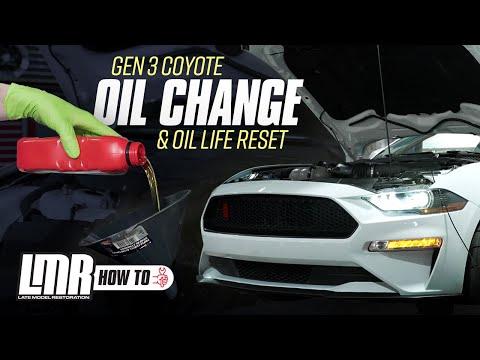
🔧 Mustang - Engine Oil & Oil Filter Replacement
This service drains old engine oil, replaces the oil filter, and refills with the correct oil. Fresh oil protects your Mustang’s bearings, timing components, and valvetrain, and a new filter keeps debris from circulating.
Difficulty Level: Intermediate | Estimated Time: 0.8-1.5 hours
⚠️ Safety & Precautions
- ⚠️ Support the car with jack stands on solid, level ground—never rely on a jack alone.
- ⚠️ Engine oil can be very hot. Let the engine cool 20–30 minutes if it was just driven.
- ⚠️ Keep oil off the exhaust and belts; wipe spills right away.
- ⚠️ Dispose of used oil and the filter properly (parts stores usually accept it).
- ⚠️ Battery disconnect is not required for this repair.
🔧 Required Tools
You'll need the following tools for this repair:
- Floor jack (rated 3-ton minimum)
- Jack stands (rated 3-ton pair minimum)
- Wheel chocks
- Safety glasses
- Nitrile gloves
- Drain pan (10-quart minimum)
- Funnel
- 8mm socket
- 10mm socket
- 1/4" drive ratchet
- 3/8" drive ratchet
- 13mm socket
- Oil filter wrench
- Torque wrench (10-80 Nm range)
- Shop rags
- Flashlight
🔩 Required Parts
HowToo sells all the parts you need for this repair:
- Engine oil (5W-20 full synthetic) - Qty: 8 quarts
- Oil filter - Qty: 1
- Oil drain plug gasket (crush washer) - Qty: 1
📋 Before You Begin
- 🧰 Park on level ground, shift to Park, and set the parking brake.
- Chock the rear wheels using wheel chocks.
- Warm the engine for 2–3 minutes (optional). Warm oil drains faster, but don’t work with scorching-hot oil.
- Open the hood and remove the oil fill cap by hand—this helps the crankcase vent while draining.
- Confirm you have a place to take used oil for recycling after the job.
🔨 Step-by-Step Instructions
Follow these steps in order:
Step 1: Raise and secure the front of the car
- Place wheel chocks behind the rear tires.
- Use a floor jack (rated 3-ton minimum) to lift the front at the proper front jacking point.
- Set the car down onto jack stands (rated 3-ton pair minimum) and gently shake the car to confirm it’s stable.
Step 2: Remove the lower splash shield/access panel
- Use a flashlight to locate the underbody access panel near the oil pan.
- Remove fasteners using an 8mm socket and 1/4" drive ratchet, and any additional bolts using a 10mm socket and 1/4" drive ratchet (fastener sizes can vary by panel).
- Set the panel and fasteners aside in a small pile so nothing gets lost.
Step 3: Drain the old engine oil
- Position a drain pan (10-quart minimum) under the oil pan drain plug.
- Use a 13mm socket and 3/8" drive ratchet to loosen the drain plug, then finish removing it by hand.
- Let the oil drain until it slows to an occasional drip (usually 5–10 minutes).
- Remove the old oil drain plug gasket (crush washer) from the plug (if it’s stuck, wipe and peel it off with a shop rag).
Step 4: Reinstall and torque the drain plug
- Install the new oil drain plug gasket (crush washer) onto the drain plug.
- Thread the drain plug in by hand first to avoid cross-threading.
- Tighten using a 13mm socket and torque wrench (10-80 Nm range): Torque to 28 Nm (21 ft-lbs).
- Tip: Hand-threading prevents expensive damage.
Step 5: Remove the old oil filter
- Move the drain pan under the oil filter area (some oil will spill when the filter comes off).
- Loosen the filter using an oil filter wrench, then spin it off by hand.
- Check that the old rubber gasket came off with the filter (it should not stick to the engine).
- Wipe the sealing surface clean using shop rags.
Step 6: Install the new oil filter
- Put a light film of new oil on the new filter’s rubber gasket using a gloved finger (nitrile gloves).
- Thread the new filter on by hand until the gasket touches the base, then tighten an additional 3/4 turn by hand.
- Do not use the filter wrench to tighten (it can overtighten and crush the gasket).
Step 7: Reinstall the splash shield/access panel
- Reposition the panel and start all fasteners by hand.
- Tighten using the 8mm socket / 10mm socket and 1/4" drive ratchet until snug.
Step 8: Lower the car and refill with new oil
- Use the floor jack (rated 3-ton minimum) to lift slightly, remove the jack stands, and lower the car carefully.
- Insert a funnel into the oil fill hole and add engine oil (5W-20 full synthetic).
- Start by adding about 7.5 quarts, then wait 1 minute and check the dipstick. Top off gradually to the full mark (do not overfill).
Step 9: Start, check for leaks, and recheck level
- Start the engine and let it idle for 30–45 seconds while watching underneath with a flashlight.
- Turn the engine off and wait 5 minutes, then check the dipstick and top off if needed using the funnel.
- Wipe any drips using shop rags.
Step 10: Reset the oil life monitor
- Turn ignition ON (engine OFF).
- Use steering wheel controls to go to: Settings > Vehicle > Oil Life Reset.
- Select reset/hold OK until it shows 100%.
- Tip: If menu differs, tell me your cluster type.
✅ After Repair
- Recheck for leaks after your first 10-minute drive (filter and drain plug area).
- Confirm the oil level is at the full mark on the dipstick when the engine is off and the car is level.
- Take used oil and the old filter to an oil recycling drop-off.
💰 DIY vs Shop Cost
Shop Cost: $120-$220 (parts + labor)
DIY Cost: $55-$95 (parts only)
You Save: $65-$125 by doing it yourself!
Shop labor rates vary but typically run $100-$150/hour. This repair takes a shop approximately 0.8-1.5 hours.
🎯 Ready to get started?
HowToo makes it easy: same-day/2-day shipping on every part, plus all the tools and specialty tools you need! Check out the parts and tools sections below to add everything to your cart.