















2018 Ford Focus 2.0L Timing Belt Replacement? How to Diagnose & Replace the Timing Chain
Step-by-step timing chain service with required tools, parts list, safety tips, and common rattle/P0016 checks
2018 Ford Focus 2.0L Timing Belt Replacement? How to Diagnose & Replace the Timing Chain
Step-by-step timing chain service with required tools, parts list, safety tips, and common rattle/P0016 checks


🔧 Focus - Timing Belt Replacement
Your Focus 2.0L does not use a timing belt—it uses a timing chain (inside the engine, oil-lubricated). There’s no routine “timing belt replacement” interval on this engine like older belt-driven designs.
Difficulty Level: Advanced | Estimated Time: 6-10 hours
⚠️ Safety & Precautions
- ⚠️ Let the engine cool fully; hot coolant/exhaust can burn.
- ⚠️ Support the vehicle with jack stands; never rely on a jack.
- ⚠️ If doing timing chain work: incorrect cam/crank timing can cause a no-start and internal damage.
- ⚠️ Disconnect the negative battery cable if you’ll remove engine mounts or work near the starter/alternator wiring.
🔧 Required Tools
You'll need the following tools for this repair:
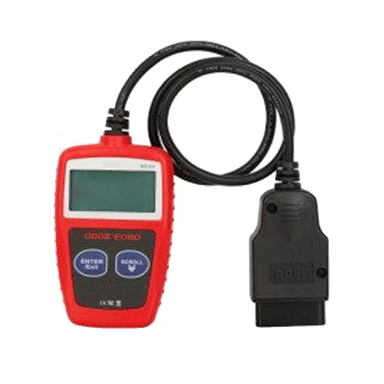
- OBD2 scan tool
- Floor jack (rated 3-ton minimum)
- Jack stands (rated 3-ton minimum)
- Wheel chocks
- Safety glasses
- Mechanic gloves
- 19mm socket
- 3/8" ratchet
- 1/2" breaker bar
- Torque wrench (10-200 Nm range)
- 7mm socket
- 8mm socket
- 10mm socket
- 15mm socket
- Long-handled 15mm wrench
- Flat trim tool
- Timing chain locking tool kit (specialty)
- Engine support bar (specialty)
🔩 Required Parts
HowToo sells all the parts you need for this repair:
- Timing chain kit (chain, guides, tensioner) - Qty: 1
- Front crankshaft seal - Qty: 1
- Front cover sealant (OEM-spec RTV) - Qty: 1
- Engine oil (OEM-spec) - Qty: 5 quarts
- Oil filter - Qty: 1
- Coolant (Motorcraft Yellow or equivalent) - Qty: 1
📋 Before You Begin
- 🧭 Park on level ground, set the parking brake, and chock the rear wheels.
- Lift the front-right corner and support it on jack stands.
- Quick check: Are you trying to fix a symptom (rattle on cold start / check engine light), or are you doing this as maintenance?
- Clarifier: Did you actually mean the serpentine/accessory belt (the outside belt that drives the alternator/AC)?
🔨 Step-by-Step Instructions
Follow these steps in order:
Step 1: Confirm it’s a timing chain issue (not an accessory belt)
- Use an OBD2 scan tool to check for cam/crank correlation codes (common ones are P0016-type).
- Listen at the front of the engine at cold start; a chain/tensioner issue often sounds like a brief metallic rattle.
- If unsure, stop here and tell me symptoms.
Step 2: Prepare access to the engine front
- Use a 19mm socket to remove the right-front wheel lug nuts.
- Remove the RF wheel and set it aside.
- Use a 7mm socket and 8mm socket to remove the inner fender/splash shield fasteners (varies by fastener style).
- Use a flat trim tool to pop any plastic clips without breaking them.
- Reinstall wheel later and Torque to 135 Nm (100 ft-lbs).
Step 3: Support the engine (required if mounts/brackets come off)
- Set up an engine support bar (specialty) across the strut towers and take the engine’s weight slightly.
- Engine support bar means a beam that holds the engine from above so mounts can be removed safely.
Step 4: Remove the accessory drive belt (for access)
- Use a long-handled 15mm wrench on the belt tensioner hex and rotate it to release tension.
- Slip the belt off a smooth pulley first, then remove it completely.
- Snap a photo of belt routing first.
Step 5: Set engine to timing position and lock it (critical)
- Use a timing chain locking tool kit (specialty) to lock the crankshaft and camshafts per Ford procedure.
- This “locking kit” holds the engine in the correct position so timing can’t move while the chain is off.
- If the engine is not locked, do not continue—timing can jump.
Step 6: Remove the front cover to access the timing chain
- Use a 10mm socket to remove front cover bolts (bolt lengths may vary—lay them out in order).
- Use a flat trim tool carefully to separate the cover without gouging aluminum surfaces.
- Drain and catch fluids as needed (oil/coolant may be disturbed during cover removal).
Step 7: Replace the chain, guides, and tensioner
- Remove the tensioner and guides using a 10mm socket.
- Install the new guides and new tensioner from the timing chain kit.
- Install the new chain, aligning timing marks exactly as the kit and Ford procedure specify.
- Do not reuse a questionable tensioner—weak tension is a common cause of startup rattle.
Step 8: Re-seal and reinstall the front cover
- Clean sealing surfaces thoroughly (no old RTV left behind).
- Apply OEM-spec RTV in the specified bead pattern and reinstall the cover.
- Use a torque wrench to tighten cover bolts evenly in stages. Torque specs vary by bolt location; if you want, I’ll give you the exact bolt-by-bolt torque map.
- Install a new front crankshaft seal as required.
Step 9: Reinstall accessory belt and wheelhouse parts
- Route the accessory belt correctly, then use the long-handled 15mm wrench to rotate the tensioner and slip the belt on.
- Reinstall the splash shield using the 7mm socket and 8mm socket.
- Reinstall the wheel using a 19mm socket and Torque to 135 Nm (100 ft-lbs).
Step 10: Refill fluids and verify timing
- Refill engine oil and replace the filter using a ratchet with the correct socket for your drain plug.
- Top off coolant as needed.
- Remove locking tools only after verifying everything is tight and timed correctly.
✅ After Repair
- Start the engine and listen for abnormal rattle/noise.
- Use an OBD2 scan tool to clear codes and confirm none return.
- Check for oil/coolant leaks around the front cover and crank seal.
- Recheck fluid levels after a short test drive.
💰 DIY vs Shop Cost
Shop Cost: ₹45,000-₹95,000 (parts + labor)
DIY Cost: ₹12,000-₹35,000 (parts only)
You Save: ₹33,000-₹60,000 by doing it yourself!
Shop labor rates vary but typically run ₹1,500-₹3,500/hour. This repair takes a shop approximately 6-10 hours.
🎯 Ready to get started?
HowToo makes it easy: same-day/2-day shipping on every part, plus all the tools and specialty tools you need! Check out the parts and tools sections below to add everything to your cart.