














2016 Mitsubishi Lancer Timing Belt Replacement? How to Check & Diagnose the Timing Chain
Step-by-step checks for chain rattle, OBD2 timing codes, and oil condition—plus tools, parts, and safety tips for 2008, 2009, 2010, 2011, 2012, 2013, 2014, 2015, 2016, 2017
2016 Mitsubishi Lancer Timing Belt Replacement? How to Check & Diagnose the Timing Chain
Step-by-step checks for chain rattle, OBD2 timing codes, and oil condition—plus tools, parts, and safety tips for 2008, 2009, 2010, 2011, 2012, 2013, 2014, 2015, 2016, 2017


🔧 Lancer - Timing Belt Replacement (Not Equipped) / Timing Chain Check
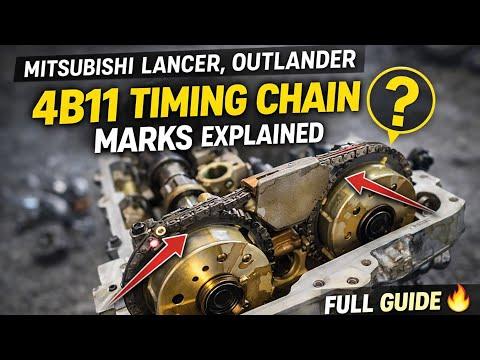
Your Lancer’s 2.4L engine uses a timing chain, not a timing belt. That means there’s no routine “timing belt replacement” interval—chain life depends heavily on clean oil and correct oil level.
Difficulty Level: Beginner | Estimated Time: 0.5-1.0 hours
⚠️ Safety & Precautions
- ⚠️ Work on a cool engine to avoid burns from the radiator/fans and exhaust.
- ⚠️ Keep hands/tools clear of the accessory belt area while the engine is running.
- ⚠️ If you need to raise the car for any reason, support it with jack stands, not just a jack.
- ⚠️ Battery disconnect is not required for the checks below.
🔧 Required Tools
You'll need the following tools for this repair:
- 10mm socket
- 1/4" drive ratchet
- 6" extension (1/4" drive)
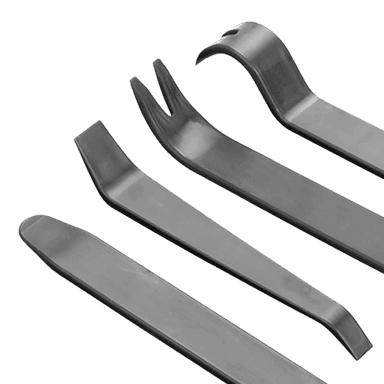
- Trim clip removal tool
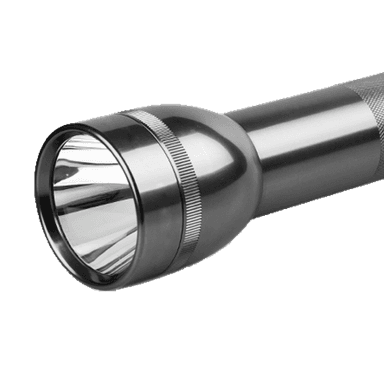
- Flashlight
- Mechanic’s stethoscope
- OBD2 scan tool
- Nitrile gloves
- Safety glasses
- Floor jack (rated 2-ton minimum)
- Jack stands (rated 2-ton minimum)
- Wheel chocks
🔩 Required Parts
HowToo sells all the parts you need for this repair:
- Engine oil (0W-20 full synthetic) - Qty: 5 quarts
- Oil filter - Qty: 1
📋 Before You Begin
- Park on level ground, set the parking brake, and place wheel chocks behind the rear wheels.
- Open the hood and remove any loose clothing/jewelry that could catch in moving parts.
- If the engine is hot, wait 30-60 minutes so you can safely work around the front of the engine.
🔨 Step-by-Step Instructions
Follow these steps in order:
Step 1: Confirm your engine uses a timing chain
- Use a flashlight and look at the passenger-side/front area of the engine.
- On your Lancer, the timing components are behind a sealed front cover (typical of a timing chain setup), not a removable plastic belt cover like many timing-belt engines.
- If there’s no belt cover, it’s almost always a chain.
Step 2: Quick scan for timing-related codes
- Plug in your OBD2 scan tool under the dash and check for stored/active codes.
- Timing chain stretch/tensioner issues often show cam/crank correlation or cam timing codes (examples: P0011/P0016-type codes).
- If you have codes, write them down before clearing anything.
Step 3: Listen for cold-start chain rattle
- Start the engine and let it idle.
- Use a mechanic’s stethoscope (a listening tool that helps you pinpoint noises) on the front cover area of the engine.
- A brief 1-2 second rattle on cold start can point to a weak chain tensioner; a constant metallic rattle is more urgent.
- Shut the engine off before moving your hands/tools to a new position.
Step 4: Check oil level and oil condition (most important for chain life)
- With the engine off, pull the dipstick, wipe it, reinsert it, then pull again.
- Oil should be between the marks; low oil can starve the chain tensioner.
- If oil is dark/thick or overdue, plan an oil and filter change using the correct oil.
Step 5: Remove the plastic engine cover (if equipped) for a better listen
- If your Lancer has a top engine cover, remove fasteners using a 10mm socket and 1/4" drive ratchet, then lift the cover off.
- Re-check for abnormal noises with the mechanic’s stethoscope.
Step 6: What to do if you suspect a timing chain problem
- Do not continue driving if you have loud rattling, misfires, or timing-related warning lights.
- Timing chain replacement on your Lancer is an Advanced job that requires engine support, precise timing alignment, and model-specific torque procedures.
- Schedule a diagnostic/repair. Typical replacement includes chain, guides, tensioner, and front cover reseal.
✅ After Repair
- If you only performed checks: road-test normally and re-check for any new warning lights.
- If you changed oil afterward: verify oil level on the dipstick after a short drive and top off if needed.
- If you found codes/noises: avoid hard acceleration and get it inspected soon.
💰 DIY vs Shop Cost
Shop Cost: $900-$2,000 (timing chain service varies widely)
DIY Cost: $40-$90 (oil + filter, if you’re just protecting the chain)
You Save: $860-$1,910 by doing it yourself!
Shop labor rates vary but typically run $100-$150/hour. This repair takes a shop approximately 6-12 hours.
🎯 Ready to get started?
HowToo makes it easy: same-day/2-day shipping on every part, plus all the tools and specialty tools you need! Check out the parts and tools sections below to add everything to your cart.