









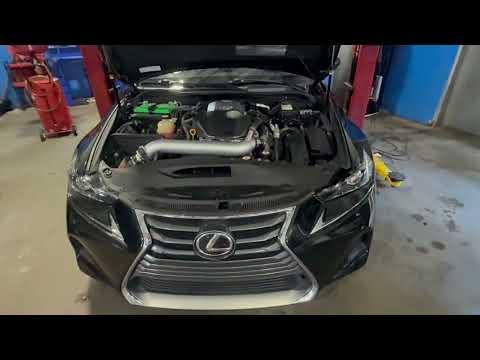







2016 Lexus IS200t Timing Belt vs Timing Chain: How to Diagnose & Repair Chain Rattle
Step-by-step timing chain service guide with tools, parts list, safety tips, and torque spec notes for 2016
2016 Lexus IS200t Timing Belt vs Timing Chain: How to Diagnose & Repair Chain Rattle
Step-by-step timing chain service guide with tools, parts list, safety tips, and torque spec notes for 2016


🔧 IS - Timing Belt Replacement
Your IS does not use a timing belt. It uses a timing chain, which is designed to last much longer and usually isn’t a scheduled maintenance item.
If you’re chasing a rattle, check-engine light, or cam/crank timing codes, the job becomes a timing chain service (chain/tensioner/guides). This is a big, precision job and mistakes can cause severe engine damage.
Difficulty Level: Advanced | Estimated Time: 8-14 hours
⚠️ Safety & Precautions
- ⚠️ Work on a cold engine; hot coolant and turbo components can burn.
- ⚠️ Support the vehicle with jack stands; never rely on a jack.
- ⚠️ Disconnect the negative battery terminal before starting.
- ⚠️ Keep fingers clear when rotating the crankshaft; pinch hazard.
- ⚠️ If timing is set wrong, the engine can be damaged on startup.
- ⚠️ RTV sealant and solvents need ventilation; avoid skin/eye contact.
🔧 Required Tools
You'll need the following tools for this repair:
- Safety glasses
- Nitrile gloves
- Floor jack (rated 3-ton minimum)
- Jack stands (rated 3-ton minimum)
- Wheel chocks
- Drain pan (at least 10-quart)
- Shop towels
- Metric socket set (8mm-22mm)
- 1/4" drive ratchet
- 3/8" drive ratchet
- 1/2" drive breaker bar
- Torque wrench (10-80 ft-lbs)
- Torque wrench (50-250 ft-lbs)
- Metric combination wrench set (8mm-22mm)
- Allen key set (metric)
- Trim clip remover tool
- Flathead screwdriver
- Phillips screwdriver
- Pry bar (small)
- Harmonic balancer/crank pulley puller kit (specialty)
- Crank pulley holding tool (specialty)
- Engine support bar (specialty)
- RTV gasket scraper (plastic)
- Brake cleaner spray
- Paint marker
- Funnel
🔩 Required Parts
HowToo sells all the parts you need for this repair:
- Timing chain - Qty: 1
- Timing chain tensioner - Qty: 1
- Timing chain guide set - Qty: 1
- Timing cover sealant (RTV, OEM-style) - Qty: 1
- Front crankshaft seal - Qty: 1
- Accessory drive belt - Qty: 1
- Engine oil (0W-20 full synthetic) - Qty: 6 quarts
- Oil filter - Qty: 1
- Engine coolant (Toyota/Lexus pink, prediluted) - Qty: 2 gallons
- Replacement plastic clips (splash shield/liner) - Qty: 1 set
📋 Before You Begin
- Park on level ground, set the parking brake, and chock the rear wheels.
- Disconnect the battery using a 10mm socket on the negative terminal.
- Raise the front and support with jack stands at the pinch welds or approved lift points.
- Remove the lower splash shield using a trim clip remover tool and 10mm socket.
- Take photos as you disassemble.
🔨 Step-by-Step Instructions
Follow these steps in order:
Step 1: Drain fluids (as needed for timing cover removal)
- Place a drain pan under the radiator drain.
- Open the drain and drain coolant.
- Drain engine oil if the timing cover area will be opened (helps reduce mess).
Step 2: Remove intake ducting and access covers
- Remove the engine cover by pulling upward (it is press-fit).
- Loosen clamps with a flathead screwdriver and remove intake ducting for working room.
Step 3: Support the engine
- Install an engine support bar (specialty) across the strut towers and take the engine’s weight.
- This prevents engine drop when mounts come off.
Step 4: Remove the accessory drive belt
- Relieve belt tension using the correct socket on the belt tensioner (use your metric socket set and ratchet).
- Slip the belt off and inspect it; replace if cracked or glazed.
Step 5: Remove right-side mounting/brackets (as required for cover access)
- Remove the right-front wheel using a 21mm socket (common lug size) and remove the right inner fender liner with a trim clip remover tool.
- Remove necessary engine mount/bracket fasteners using a metric socket set and breaker bar.
- Torque to OEM specification during reassembly (mount fastener torque is critical and model-specific).
Step 6: Remove the crank pulley (harmonic balancer)
- Install a crank pulley holding tool (specialty) to keep the crank from turning.
- Remove the crank bolt using a breaker bar and appropriate socket from your metric socket set.
- Use a harmonic balancer/crank pulley puller kit (specialty) to pull the pulley off straight.
- Torque to OEM specification when reinstalling the crank bolt (this is very high torque and must be exact).
Step 7: Remove the front timing cover
- Remove all timing cover bolts using a metric socket set and ratchet.
- Carefully break the RTV seal using a plastic RTV gasket scraper and a small pry bar only at cast pry points.
- Clean sealing surfaces using brake cleaner spray and shop towels.
- Do not gouge aluminum surfaces.
Step 8: Set cylinder #1 to TDC on compression
- Rotate the crankshaft by hand using a socket and 1/2" drive ratchet until timing marks align.
- Use a paint marker to mark chain and sprocket alignment points before disassembly.
- Only rotate clockwise unless OEM says otherwise.
Step 9: Remove tensioner and guides
- Remove the timing chain tensioner bolts using a metric socket set.
- Remove the chain guides using a metric socket set.
- Torque to OEM specification on tensioner/guide fasteners during install (small bolts can strip easily).
- Timing chain tensioner: it’s a spring/oil-pressure device that keeps the chain tight.
Step 10: Remove and install the timing chain
- Remove the chain from sprockets carefully, keeping track of timing positions.
- Install the new chain aligning the chain’s colored links (if present) to the sprocket timing marks.
- Reinstall new guides and tensioner using your metric socket set and torque wrench.
- Torque to OEM specification for all timing components.
Step 11: Verify timing before sealing
- Rotate the engine by hand two full revolutions using a socket and 1/2" drive ratchet.
- Re-check timing marks alignment.
- If anything is off, stop and correct it before proceeding.
Step 12: Replace the front crank seal and reseal the timing cover
- Remove the old crank seal carefully with a seal puller from your puller kit (or a careful pry with a small tool), avoiding crank surface damage.
- Install the new seal squarely using an appropriate driver from the puller/installer kit or a suitable large socket.
- Apply timing cover sealant (RTV) as a continuous bead per the sealant instructions.
- Install the timing cover and hand-start all bolts, then tighten evenly using a torque wrench.
- Torque to OEM specification for timing cover bolts (overtightening can crack the cover).
Step 13: Reinstall crank pulley, mounts, and belt
- Reinstall the crank pulley and crank bolt using the crank pulley holding tool (specialty) and torque wrench.
- Torque to OEM specification for the crank bolt (critical).
- Reinstall engine mount/brackets using a metric socket set and torque wrench, then remove the engine support bar.
- Install the accessory belt using a ratchet to move the tensioner.
Step 14: Refill fluids
- Refill engine oil using a funnel; replace the oil filter.
- Refill coolant using a funnel.
- Bleed air from the cooling system per OEM procedure (air pockets can cause overheating).
Step 15: Reconnect battery and initial start
- Reconnect the battery negative terminal using a 10mm socket.
- Start the engine and listen for abnormal rattles.
- Check for oil/coolant leaks around the timing cover and crank seal area.
✅ After Repair
- Let the engine reach operating temperature and confirm the radiator fans cycle normally.
- Recheck coolant level after a full cool-down and top off if needed.
- Inspect for leaks again after a short test drive.
- If the check engine light is on, scan for codes before driving further.
- Recheck oil level on level ground.
💰 DIY vs Shop Cost
Shop Cost: $1,800-$3,500 (parts + labor)
DIY Cost: $350-$900 (parts only)
You Save: $1,450-$2,600 by doing it yourself!
Shop labor rates vary but typically run $100-$150/hour. This repair takes a shop approximately 8-14 hours.
🎯 Ready to get started?
HowToo makes it easy: same-day/2-day shipping on every part, plus all the tools and specialty tools you need! Check out the parts and tools sections below to add everything to your cart.