













2016 Lexus IS200t Power Steering Pump Replacement? EPS System Check & Steering Assist Fix Guide
Learn why there’s no hydraulic pump, plus step-by-step EPS troubleshooting with tools, fuses, battery checks, and code scanning for 2016, 2017
2016 Lexus IS200t Power Steering Pump Replacement? EPS System Check & Steering Assist Fix Guide
Learn why there’s no hydraulic pump, plus step-by-step EPS troubleshooting with tools, fuses, battery checks, and code scanning for 2016, 2017


🔧 IS - Power Steering System - No Pump (EPS) Check & Fix-What-You-Can DIY
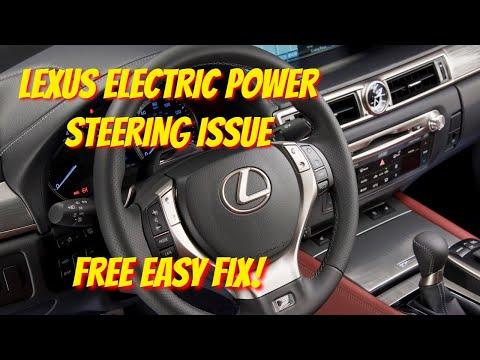
Your IS uses Electric Power Steering (EPS), so it does not have a belt-driven hydraulic power steering pump to replace. Steering assist is provided by an electric motor/gear unit (built into the steering rack) controlled by the EPS computer.
Difficulty Level: Beginner (checks) / Advanced (rack replacement) | Estimated Time: 0.5-1.5 hours (checks)
Assumption: stock EPS system (no hydraulic conversion).
⚠️ Safety & Precautions
- ⚠️ Turn ignition OFF and remove the key/fob from the car before touching EPS wiring.
- ⚠️ If lifting the car, use jack stands (never rely on a jack alone).
- ⚠️ If you disconnect the battery, you may lose radio presets and one-touch window settings.
- ⚠️ Avoid probing yellow connectors (airbag/SRS circuits) near the steering column.
🔧 Required Tools
You'll need the following tools for this repair:
- 10mm socket
- 1/4" ratchet
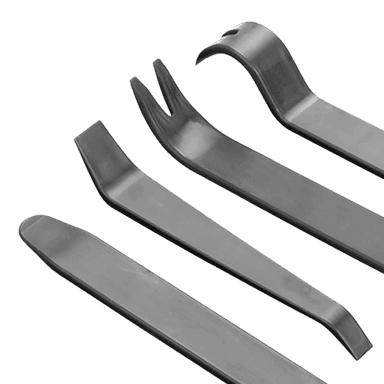
- Trim clip tool
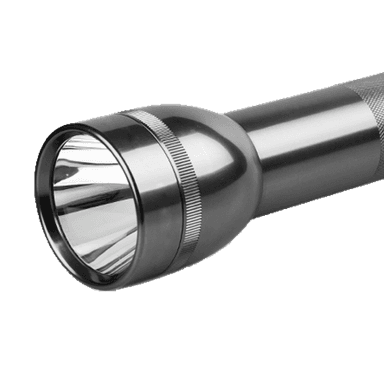
- Flashlight
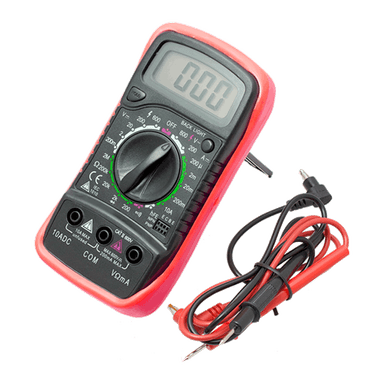
- Digital multimeter
- OBD2 scan tool that reads ABS/EPS codes (specialty)
- Floor jack (rated 3-ton minimum)
- Jack stands (rated 3-ton minimum)
- Wheel chocks
- Nitrile gloves
- Safety glasses
🔩 Required Parts
HowToo sells all the parts you need for this repair:
- EPS/Power steering fuse(s) (correct amperage) - Qty: 1-2
- 12V battery (correct group size) - Qty: 1
- Battery terminal anti-corrosion pads - Qty: 2
- Steering rack assembly (EPS) - Qty: 1
- Outer tie rod ends - Qty: 2
📋 Before You Begin
- Park on level ground, set the parking brake, and place wheel chocks behind the rear tires.
- Center the steering wheel and keep it centered during checks.
- If you plan to unplug major EPS connectors, disconnect the negative battery terminal using a 10mm socket.
- Know this term: an OBD2 scan tool reads fault codes from the car’s computers to point you to the failed circuit or module.
🔨 Step-by-Step Instructions
Follow these steps in order:
Step 1: Confirm the symptom is EPS-related
- Turn the car ON and look for a steering warning light on the dash.
- Note when it happens: only at parking-lot speeds, only when cold, or all the time.
- Low-speed heavy steering often points to EPS.
Step 2: Check battery health (common EPS cause)
- Open the hood and use a 10mm socket to loosen and lift the battery terminal covers if needed.
- Use a digital multimeter on DC volts and measure at the battery posts.
- If voltage is low (especially under ~12.4V engine OFF), charge or replace the 12V battery.
- Clean corrosion: remove the negative terminal first using a 10mm socket, then the positive; reinstall positive first, then negative.
Step 3: Scan for EPS-related trouble codes
- Plug in an OBD2 scan tool that reads ABS/EPS codes (specialty) to the port under the dash.
- Read codes from EPS/Power Steering and ABS/VSC modules.
- Write down the code numbers and freeze-frame data.
- Clear codes and re-check after a short drive to see what returns.
Step 4: Inspect EPS fuses and power feeds
- Use a trim clip tool to open the fuse box covers (engine bay and/or interior, depending on layout).
- Use a flashlight to locate EPS/PS-related fuses (label varies by box legend).
- Pull the suspect fuse(s) and visually inspect, or confirm continuity using a digital multimeter.
- Replace only with the same amperage fuse.
Step 5: Do a basic EPS wiring/connector check (no disassembly)
- With ignition OFF, use a flashlight to look for damaged wiring near the steering rack area (front underside).
- If lifting the car: raise with a floor jack (rated 3-ton minimum) and support with jack stands (rated 3-ton minimum).
- Look for unplugged connectors, torn loom, or oil/water intrusion around connectors.
- Don’t tug wires—inspect gently.
Step 6: Decide if this is a DIY stop point
- If codes indicate low voltage / power supply, fix battery/terminals/fuses first, then re-scan.
- If codes indicate rack motor/torque sensor/internal EPS failure, that typically means replacing the steering rack assembly (EPS).
- Rack replacement is Advanced and usually requires an alignment and sometimes steering angle/yaw calibration with a capable scan tool.
✅ After Repair
- Start the car and verify steering assist returns smoothly lock-to-lock (don’t hold at full lock).
- Re-scan with the OBD2 scan tool that reads ABS/EPS codes (specialty) and confirm no EPS codes return.
- If the battery was disconnected, reinitialize one-touch windows (hold switch down, then up for a few seconds).
- If any steering/suspension parts were replaced, get a 4-wheel alignment immediately.
💰 DIY vs Shop Cost
Shop Cost: $150-$450 (diagnosis/battery/fuse fixes) or $1,800-$3,500 (EPS rack replacement + alignment)
DIY Cost: $10-$250 (fuses/battery/terminal parts)
You Save: $140-$200+ (for electrical basics) by doing it yourself!
Shop labor rates vary but typically run $100-$150/hour. This repair takes a shop approximately 0.5-1.5 hours for checks.
🎯 Ready to get started?
HowToo makes it easy: same-day/2-day shipping on every part, plus all the tools and specialty tools you need! Check out the parts and tools sections below to add everything to your cart.