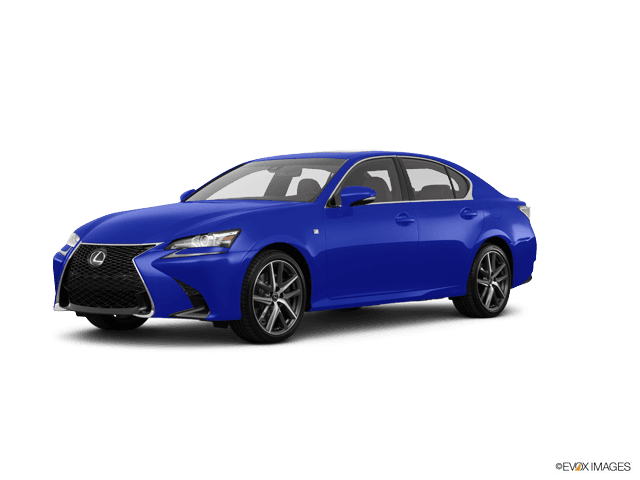












2016 Lexus GS350 Power Steering Pump Replacement? Troubleshoot EPS (No Pump)
Step-by-step EPS diagnosis with scan tool checks, battery/fuse tests, and rack replacement guidance for 2013, 2014, 2015, 2016, 2017, 2018, 2019, 2020
2016 Lexus GS350 Power Steering Pump Replacement? Troubleshoot EPS (No Pump)
Step-by-step EPS diagnosis with scan tool checks, battery/fuse tests, and rack replacement guidance for 2013, 2014, 2015, 2016, 2017, 2018, 2019, 2020


🔧 GS350 - Power Steering Pump Replacement (Not Applicable: EPS System)
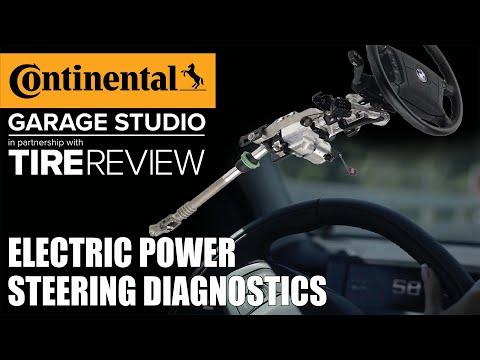
Your GS350 uses an Electric Power Steering (EPS) system, which means there is no hydraulic power steering pump, no belt-driven pump, and typically no power steering fluid reservoir. If you’re having “no assist,” heavy steering, or warning lights, the fix is usually in the EPS electrical system (battery/charging, fuses, wiring, EPS rack/motor, or calibration), not a pump.
Difficulty Level: Intermediate | Estimated Time: 0.5-2.0 hours (diagnosis/checks)
⚠️ Safety & Precautions
- ⚠️ Use jack stands anytime the front wheels are off the ground.
- ⚠️ Keep hands clear of the steering linkage if someone turns the wheel.
- ⚠️ If disconnecting the battery: protect memory settings and wait 90+ seconds before working near airbags (steering column area).
- ⚠️ Do not probe yellow airbag connectors with a meter.
🔧 Required Tools
You'll need the following tools for this repair:
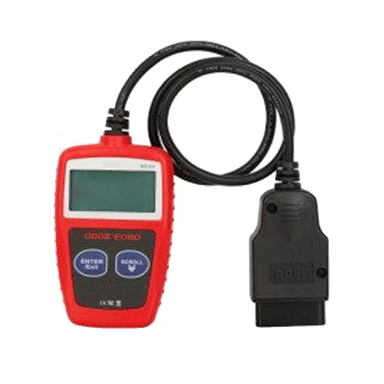
- OBD2 scan tool with Toyota/Lexus EPS capability (Techstream-compatible) (specialty)
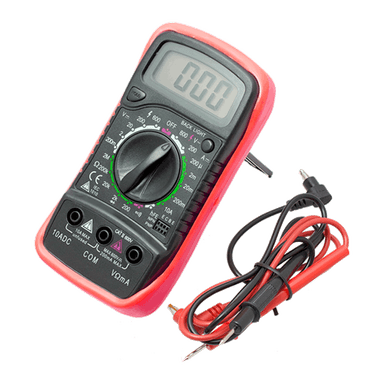
- Digital multimeter
- 12V battery load tester (specialty)
- 10mm socket
- 12mm socket
- 14mm socket
- 3/8" drive ratchet
- 3/8" drive torque wrench
- Trim clip removal tool
- Floor jack (rated 3-ton minimum)
- Jack stands (rated 3-ton minimum)
- Wheel chocks
- Safety glasses
- Nitrile gloves
- Flashlight
🔩 Required Parts
HowToo sells all the parts you need for this repair:
- EPS-related fuses (assortment) - Qty: 1
- 12V battery (AGM or OEM equivalent) - Qty: 1
- Battery terminal cleaning kit - Qty: 1
- Steering rack assembly (EPS) - Qty: 1 (only if diagnosed failed)
- Front inner/outer tie rod set - Qty: 1 (recommended if rack is replaced)
📋 Before You Begin
- Park on level ground, steering wheel centered, and set the parking brake.
- Chock the rear wheels using wheel chocks.
- If you will lift the front: loosen nothing yet—just plan safe lift points with a floor jack and support on jack stands.
- Have your scan tool ready to read EPS codes (these are different from engine codes).
🔨 Step-by-Step Instructions
Follow these steps in order:
Step 1: Confirm it’s EPS (no pump to replace)
- Open the hood and look for a power steering fluid reservoir (a small tank with a cap labeled “Power Steering”).
- If you do not see one, that confirms the EPS setup (electric assist), meaning there is no pump replacement procedure for your GS350.
- EPS = electric motor does the assisting.
Step 2: Check the 12V battery and charging basics (most common cause of EPS issues)
- Use a 12V battery load tester (specialty) to test the battery health per the tester instructions.
- Use a digital multimeter at the battery terminals:
- Engine off: note voltage.
- Engine running: note voltage again (charging check).
- If battery terminals are crusty/green, remove with a 10mm socket, clean, and reinstall snugly.
- Low voltage can disable steering assist.
Step 3: Scan for EPS trouble codes (this points to the real failed part)
- Plug in your OBD2 scan tool with Toyota/Lexus EPS capability (Techstream-compatible) (specialty).
- Read codes from the Power Steering / EPS module (not just “Engine”).
- Save or write down the codes and freeze frame data.
- Clear codes, then re-check after a short key cycle to see what returns immediately.
Step 4: Check EPS-related fuses (simple, fast win)
- Using a flashlight and trim clip removal tool, open the under-hood fuse box cover.
- Use the fuse box legend to locate EPS/PS-related fuses.
- Test fuses with a digital multimeter (continuity) instead of guessing by sight.
- Replace failed fuses with matching amperage from your EPS-related fuses (assortment).
Step 5: Front-end quick mechanical check (rule out binding)
- Lift the front safely using a floor jack (rated 3-ton minimum) and support with jack stands (rated 3-ton minimum).
- With the key OFF, turn each front wheel by hand and feel for roughness or binding.
- Check tire pressure (very low pressure can feel like “no power steering”).
Step 6: If codes indicate rack/motor failure, plan rack replacement + calibration
- The EPS assist motor is typically part of the steering rack assembly (EPS).
- Rack replacement is an advanced job and requires an alignment afterward, plus scan-tool calibrations (steering angle/zero point) depending on what codes are stored.
- If you proceed with rack replacement, you’ll also want front inner/outer tie rod set on hand.
- Don’t skip alignment—handling will suffer.
✅ After Repair
- Re-scan with your OBD2 scan tool with Toyota/Lexus EPS capability (Techstream-compatible) (specialty) and confirm no EPS codes return.
- Road test in a safe area: verify steering assist at parking-lot speeds and no warning lights.
- If any steering or suspension parts were replaced: get a 4-wheel alignment.
- If the battery was disconnected: reset clock and one-touch window functions if needed.
💰 DIY vs Shop Cost
Shop Cost: $150-$350 (diagnosis) OR $1,800-$3,500 (EPS rack replacement parts + labor + alignment)
DIY Cost: $0-$250 (battery/fuses/cleaning) OR $900-$2,200 (rack parts only, if needed)
You Save: $150-$1,300+ by doing it yourself!
Shop labor rates vary but typically run $100-$150/hour. This repair takes a shop approximately 1-5 hours depending on diagnosis vs rack replacement.
🎯 Ready to get started?
HowToo makes it easy: same-day/2-day shipping on every part, plus all the tools and specialty tools you need! Check out the parts and tools sections below to add everything to your cart.