













2016-2025 Mercedes-Benz GLC300 Power Steering Not Working: EPS Troubleshooting Guide (Engine: Inline 4 2.0L)
Step-by-step checks for battery voltage, EPS fuses, wiring, and steering assist warnings (no pump/fluid)
2016-2025 Mercedes-Benz GLC300 Power Steering Not Working: EPS Troubleshooting Guide (Engine: Inline 4 2.0L)
Step-by-step checks for battery voltage, EPS fuses, wiring, and steering assist warnings (no pump/fluid) for 2016, 2017, 2018, 2019, 2020, 2021, 2022, 2023, 2024, 2025


🔧 GLC - Power Steering “Pump” Replacement (Not Equipped) / EPS Power Supply Check
Your GLC uses Electric Power Steering (EPS), which means it does not have a hydraulic power steering pump, reservoir, or power steering fluid to replace. When steering assist fails, the usual causes are low system voltage, a blown fuse, wiring issues, or an EPS rack/motor/module problem.
Difficulty Level: Beginner (power/fuse checks) | Estimated Time: 0.5-1.0 hours
Assumption: You’re trying to fix loss of power steering assist, not a fluid leak.
⚠️ Safety & Precautions
- ⚠️ Turn ignition OFF, remove the key/fob from the vehicle, and wait 2-3 minutes before touching electrical connectors.
- ⚠️ If you disconnect the battery, you may lose clock/radio settings and auto-window initialization.
- ⚠️ Do not unplug yellow airbag connectors or work near the steering wheel airbag for this check.
- ⚠️ If the steering is heavy, drive as little as possible until fixed.
🔧 Required Tools
You'll need the following tools for this repair:
- 10mm socket
- 1/4" ratchet
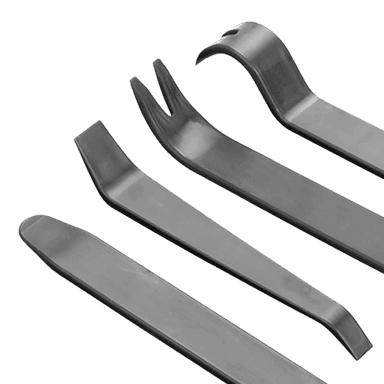
- Plastic trim removal tool set
- Flashlight
- Fuse puller
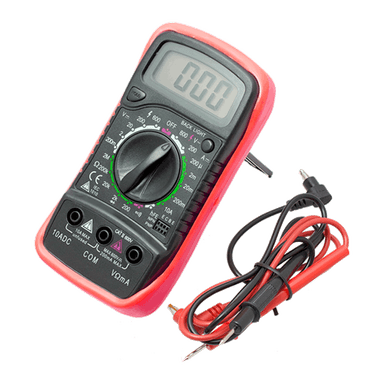
- Digital multimeter
- Nitrile gloves
- Safety glasses
🔩 Required Parts
HowToo sells all the parts you need for this repair:
- Mini blade fuse(s) (match existing amperage/color) - Qty: 1-3
- 12V battery (H8/Group 49 or equivalent fitment as equipped) - Qty: 1 (only if testing fails)
- Battery terminal clamp hardware - Qty: 1 (only if damaged/loose)
📋 Before You Begin
- Park on level ground, wheels straight, and set the parking brake.
- Turn the ignition OFF and keep the key/fob at least 15 feet away.
- If you plan to remove battery power: open the liftgate and leave a door/window open so you can access the car if it locks.
🔨 Step-by-Step Instructions
Follow these steps in order:
Step 1: Confirm you have an EPS issue (quick check)
- Start the vehicle and look for a steering warning message/light on the cluster (often “Power Steering Malfunction” or a steering wheel icon).
- Turn the wheel slightly left/right at a stop—if it’s suddenly very heavy, that’s typical EPS assist loss.
Step 2: Check 12V battery voltage (low voltage can disable EPS)
- Use a digital multimeter and measure at the battery terminals (in the cargo area under the floor panel on many GLCs).
- Key OFF: you generally want roughly 12.4-12.7V on a healthy, charged battery.
- Engine running: you typically want roughly 13.5-14.8V (charging system working).
- If voltage is low, charge/replace the battery first—EPS is very sensitive to weak batteries.
Step 3: Access the fuse area(s)
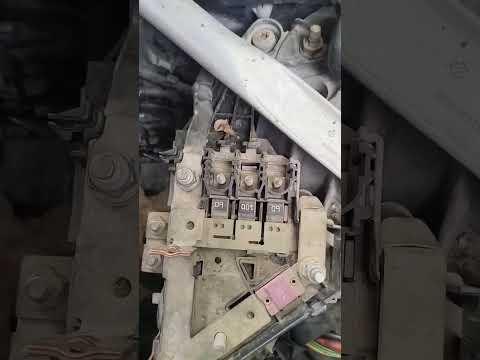
- Use a flashlight and plastic trim removal tool set to carefully open the fuse panel cover(s) without cracking tabs.
- Find the fuse chart on the panel cover or nearby label. Mercedes fuse layouts can vary by equipment.
Step 4: Identify EPS-related fuse(s) and inspect them
- Use a fuse puller to remove one suspected EPS/steering fuse at a time (match the label description on the chart).
- Visually inspect: a blown fuse usually has a broken metal link inside.
- Best check: use the digital multimeter in continuity mode; a good fuse shows continuity, a blown one does not.
Step 5: Replace any blown fuse(s) with the exact same amperage
- Install a new mini blade fuse(s) (match existing amperage/color).
- Never “upsize” a fuse to stop it blowing.
Step 6: Check battery terminals for looseness/corrosion
- Use a 10mm socket and 1/4" ratchet to verify the battery terminal connections are tight and clean.
- If you disconnect the battery: remove the negative terminal first, reinstall it last (this reduces short-circuit risk).
- Torque: tighten battery terminal clamp to OEM specification.
Step 7: Re-test steering assist
- Reinstall fuse covers firmly by hand.
- Start the vehicle and check if steering assist returns and the warning clears.
✅ After Repair
- Test drive in a safe area at low speed first. Confirm normal steering effort and no warnings.
- If the battery was disconnected, re-initialize auto windows (hold switch up for a few seconds at full close).
- If the warning remains: the next step is a proper Mercedes-capable scan for EPS fault codes—many EPS repairs require programming/coding and are not “pump replacement” type jobs.
- If a fuse blows again quickly, stop and diagnose the circuit—replacing fuses repeatedly can damage wiring.
💰 DIY vs Shop Cost
Shop Cost: $150-$400 (diagnosis + minor electrical repair) / $2,000-$4,500 (EPS rack replacement/programming if needed)
DIY Cost: $5-$30 (fuses) / $220-$450 (battery if needed)
You Save: $120-$370 on basic checks, and you avoid unnecessary parts swapping.
Shop labor rates vary but typically run $100-$150/hour. This repair takes a shop approximately 0.5-1.0 hours for basic checks.
🎯 Ready to get started?
HowToo makes it easy: same-day/2-day shipping on every part, plus all the tools and specialty tools you need! Check out the parts and tools sections below to add everything to your cart.