









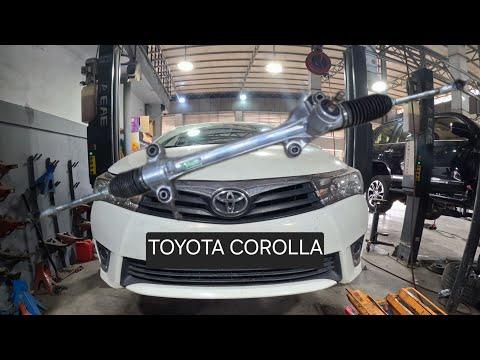



2015 Toyota Corolla Power Steering Problems: Troubleshoot & Repair Electric Power Steering (EPS)
Step-by-step EPS diagnosis, fuse/battery checks, scan tool tips, and steering rack replacement overview
2015 Toyota Corolla Power Steering Problems: Troubleshoot & Repair Electric Power Steering (EPS)
Step-by-step EPS diagnosis, fuse/battery checks, scan tool tips, and steering rack replacement overview


🔧 Corolla - Electric Power Steering (EPS) Service (No Pump)
Your Corolla uses Electric Power Steering (EPS), which means there is no hydraulic power steering pump to replace. If you’re losing steering assist, the fix is usually electrical (battery/fuse/wiring) or a failed EPS component (often the steering gear assembly with the EPS motor/ECU).
Difficulty Level: Intermediate (checks) / Advanced (steering gear replacement) | Estimated Time: 0.5-1.5 hours (checks) / 4-8 hours (steering gear)
Assumption: You’re experiencing heavy steering, EPS warning light, or no assist.
⚠️ Safety & Precautions
- ⚠️ Disconnect the negative battery cable before steering/EPS work; wait 90 seconds to reduce airbag (SRS) risk.
- ⚠️ Never allow the steering wheel to spin freely with the intermediate shaft disconnected; it can damage the spiral cable (clock spring) (the ribbon cable for the airbag/horn).
- ⚠️ Support the car with jack stands on solid, level ground; never rely on a jack.
- ⚠️ After any steering gear work, you must get a professional alignment.
🔧 Required Tools
You'll need the following tools for this repair:
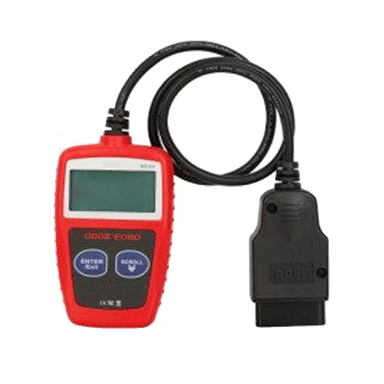
- OBD2 scan tool with Toyota EPS capability (specialty)
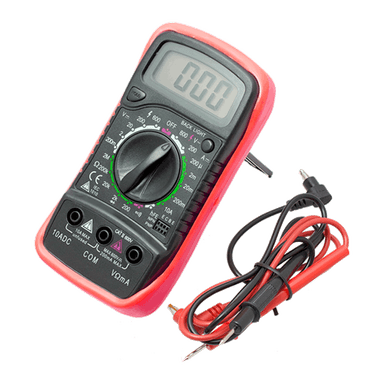
- Digital multimeter
- 10mm socket
- 12mm socket
- 14mm socket
- 17mm socket
- 19mm socket
- 3/8" ratchet
- 1/2" breaker bar
- Torque wrench (10–200 Nm range)
- Flat trim tool
- Needle-nose pliers
- Jack (rated 2-ton minimum)
- Jack stands (rated 2-ton minimum)
- Wheel chocks
- Safety glasses
- Mechanic gloves
- Paint marker
🔩 Required Parts
HowToo sells all the parts you need for this repair:
- EPS main fuse (high-amp, under-hood) - Qty: 1
- 12V battery (if failed load test) - Qty: 1
- Battery terminal cleaning kit - Qty: 1
- Steering gear assembly with EPS motor/ECU - Qty: 1
- Outer tie rod ends - Qty: 2
- Steering rack boots/clamps - Qty: 2
- New cotter pins (tie rod ends) - Qty: 2
📋 Before You Begin
- Park on level ground, center the steering wheel, and set the parking brake.
- Chock the rear wheels using wheel chocks.
- Disconnect the battery using a 10mm socket (negative terminal first) and wait 90 seconds.
- Use a paint marker to mark the relationship between the steering intermediate shaft and input shaft if you will disconnect it.
🔨 Step-by-Step Instructions
Follow these steps in order:
Step 1: Confirm it’s an EPS issue (quick checks)
- Turn the key to ON and look for an EPS/steering warning light on the dash.
- Use an OBD2 scan tool with Toyota EPS capability (specialty) to read EPS trouble codes.
- If steering gets heavy only at idle, use a digital multimeter to check battery voltage (low voltage can disable EPS).
Step 2: Check battery terminals and grounds
- Remove the negative terminal using a 10mm socket.
- Clean corrosion using the battery terminal cleaning kit.
- Reconnect and tighten using a 10mm socket to Torque to OEM specification.
- Low voltage causes “fake” steering failures.
Step 3: Check the EPS fuse(s) in the under-hood fuse box
- Open the fuse/relay box and locate the high-amp EPS fuse (diagram is on the lid).
- Remove the fuse using needle-nose pliers (or the fuse puller if present).
- Confirm continuity using a digital multimeter and replace if open.
Step 4: If codes point to the steering gear/EPS motor, plan the correct replacement
- On your Corolla, the “pump” equivalent is typically the steering gear assembly with the EPS motor/ECU (electric assist is built into the rack).
- This job requires lifting the front end, separating tie rod ends, disconnecting the intermediate shaft, and lowering/working around the front subframe area.
- If you’re not comfortable underneath the car, stop here.
Step 5: Raise the front end (for steering gear replacement)
- Loosen front lug nuts using a 19mm socket and breaker bar.
- Lift the front using a jack and support with jack stands.
- Remove the front wheels using a 19mm socket.
Step 6: Disconnect outer tie rod ends
- Remove the cotter pin using needle-nose pliers.
- Remove the castle nut using a 17mm socket (size can vary by brand).
- Separate the joint (tap the knuckle carefully; avoid hammering the threads).
- When reinstalling, use a torque wrench to Torque to OEM specification, then install a new cotter pin.
Step 7: Disconnect the steering intermediate shaft (critical alignment step)
- Ensure the steering wheel stays centered (use the seat belt to hold it if needed).
- Mark the shaft alignment using a paint marker.
- Remove the pinch bolt using a 12mm or 14mm socket (varies by production).
- Slide the shaft off carefully; do not rotate the steering wheel.
- On reassembly, tighten using a torque wrench to Torque to OEM specification.
Step 8: Disconnect EPS electrical connectors
- Unplug EPS connectors on the steering gear by releasing locks using a flat trim tool.
- Inspect for corrosion or water intrusion before installing the new unit.
Step 9: Remove and replace the steering gear assembly
- Remove steering gear mounting fasteners using the correct 14mm/17mm sockets as applicable.
- Work the rack out carefully (space is tight; avoid tearing rack boots).
- Install the new steering gear in the reverse order.
- Use a torque wrench and Torque to OEM specification for all steering gear mounts and any subframe-related fasteners you loosen.
Step 10: Reinstall tie rod ends and set a basic toe “close enough to drive”
- If replacing outer tie rods, thread them on matching the old length/count turns.
- Tighten jam nuts using an adjustable wrench (if needed) to Torque to OEM specification.
- This is only to reach the alignment shop.
Step 11: Reinstall wheels and lower the car
- Install wheels and hand-tighten lug nuts.
- Lower the car and tighten lug nuts in a star pattern using a torque wrench to Torque to OEM specification.
✅ After Repair
- Reconnect the battery using a 10mm socket and Torque to OEM specification.
- Use the OBD2 scan tool with Toyota EPS capability (specialty) to clear EPS codes and perform any required steering angle/zero point calibration (calibration teaches the car what “straight” is).
- Start the car and confirm smooth assist lock-to-lock with the vehicle stationary.
- Road test carefully at low speed first; confirm the steering wheel returns to center.
- Get a 4-wheel alignment as soon as possible.
💰 DIY vs Shop Cost
Shop Cost: $900-$2,200 (parts + labor)
DIY Cost: $350-$1,200 (parts only)
You Save: $550-$1,000 by doing it yourself!
Shop labor rates vary but typically run $100-$150/hour. This repair takes a shop approximately 4-8 hours.
🎯 Ready to get started?
HowToo makes it easy: same-day/2-day shipping on every part, plus all the tools and specialty tools you need! Check out the parts and tools sections below to add everything to your cart.