













2015-2025 Ford F-150 Cabin Air Filter Check: No Filter Replacement Required (Engine: V8 5.0L)
Step-by-step HVAC intake and blower area inspection with tools, safety tips, and cleanup guidance
2015-2025 Ford F-150 Cabin Air Filter Check: No Filter Replacement Required (Engine: V8 5.0L)
Step-by-step HVAC intake and blower area inspection with tools, safety tips, and cleanup guidance for 2015, 2016, 2017, 2018, 2019, 2020, 2021, 2022, 2023, 2024, 2025


🔧 Cabin Air Filter - Inspection / No Replacement Required
Your F-150 was not equipped with a factory cabin air filter, so there is no cabin filter to change. If you’re chasing weak airflow, dust, or odor issues, the next places to check are the blower motor area and HVAC intake instead.
Difficulty Level: Beginner | Estimated Time: 0.5-1 hour
⚠️ Safety & Precautions
- Turn the ignition off before working near the glove box or HVAC area.
- If you remove any electrical connectors, disconnect the negative battery cable first.
- Keep fingers clear of the blower motor and moving HVAC components.
- If you notice standing water, mold, or heavy debris, clean the intake area before reassembly.
🔧 Required Tools
You'll need the following tools for this repair:
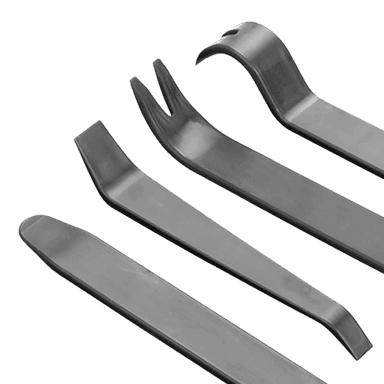
- Trim panel tool
- 7mm socket
- Ratchet
- Flashlight
- Safety glasses
- Gloves
🔩 Required Parts
HowToo sells all the parts you need for this repair:
- No factory cabin air filter equipped - Qty: 1
📋 Before You Begin
- Park on level ground and set the parking brake.
- Turn the HVAC system off before opening the glove box area.
- If you’re checking for odor or dust issues, have a flashlight ready for the intake area.
🔨 Step-by-Step Instructions
Follow these steps in order:
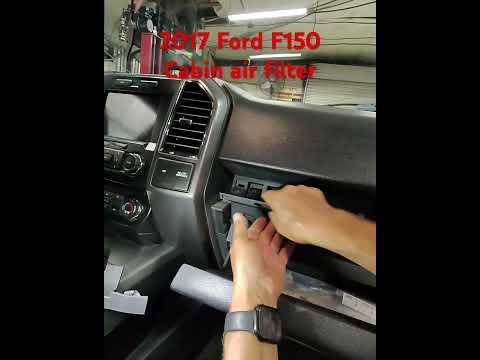
Step 1: Confirm the vehicle does not use a cabin filter
- Open the glove box and look for a filter access door behind it.
- Your F-150 does not have a factory cabin filter slot.
- No filter door means no replacement filter.
Step 2: Inspect the HVAC intake area
- Use a flashlight to check for leaves, dust, or debris near the fresh-air intake at the cowl area under the windshield.
- If debris is present, remove it by hand or with a soft brush.
- Do not push debris deeper into the intake.
Step 3: Check the blower area for debris
- If airflow is weak or noisy, remove the lower trim panel with a trim panel tool if needed.
- Inspect the blower motor area for leaves or dirt.
- If you unplug any connector, disconnect the battery negative terminal first.
Step 4: Reassemble and test
- Reinstall any panels and make sure they are fully seated.
- Start the truck and run the fan on low, then high.
- Check for normal airflow and any unusual noise.
✅ After Repair
- Verify the blower runs smoothly at all speeds.
- Check that the air coming from the vents is clean and odor-free.
- If dust is still entering the cab, inspect the fresh-air intake seals and cowl area again.
💰 DIY vs Shop Cost
Shop Cost: $0-$150 (inspection/cleanup only)
DIY Cost: $0-$20 (cleanup supplies only)
You Save: $0-$130 by doing it yourself!
Shop labor rates vary but typically run $100-$150/hour. This repair takes a shop approximately 0.5-1 hours.
🎯 Ready to get started?
HowToo makes it easy: same-day/2-day shipping on every part, plus all the tools and specialty tools you need! Check out the parts and tools sections below to add everything to your cart.
Guide for Cabin Air Filter replace for these Ford vehicles
| Year Make Model | Sub Model | Engine | Body Style |
|---|---|---|---|
| 2025 Ford F-150 | - | V6 3.5L | - |
| 2025 Ford F-150 | - | V8 5.0L | - |
| 2025 Ford F-150 | - | V6 2.7L | - |
| 2025 Ford F-150 | - | V8 5.2L | - |
| 2024 Ford F-150 | - | V6 3.5L | - |
| 2024 Ford F-150 | - | V8 5.0L | - |
| 2024 Ford F-150 | - | V6 2.7L | - |
| 2024 Ford F-150 | - | V8 5.2L | - |
| 2023 Ford F-150 | - | V6 3.5L | - |
| 2023 Ford F-150 | - | V8 5.0L | - |
| 2023 Ford F-150 | - | V6 2.7L | - |
| 2023 Ford F-150 | - | V6 3.3L | - |
| 2023 Ford F-150 | - | V8 5.2L | - |
| 2022 Ford F-150 | - | V6 3.5L | - |
| 2022 Ford F-150 | - | V8 5.0L | - |
| 2022 Ford F-150 | - | V6 2.7L | - |
| 2022 Ford F-150 | - | V6 3.3L | - |
| 2021 Ford F-150 | - | V6 3.5L | - |
| 2021 Ford F-150 | - | V8 5.0L | - |
| 2021 Ford F-150 | - | V6 2.7L | - |
| 2021 Ford F-150 | - | V6 3.0L | - |
| 2021 Ford F-150 | - | V6 3.3L | - |
| 2020 Ford F-150 | - | V6 3.5L | - |
| 2020 Ford F-150 | - | V8 5.0L | - |
| 2020 Ford F-150 | - | V6 2.7L | - |
| 2020 Ford F-150 | - | V6 3.0L | - |
| 2020 Ford F-150 | - | V6 3.3L | - |
| 2019 Ford F-150 | - | V6 3.5L | - |
| 2019 Ford F-150 | - | V8 5.0L | - |
| 2019 Ford F-150 | - | V6 2.7L | - |
| 2019 Ford F-150 | - | V6 3.0L | - |
| 2019 Ford F-150 | - | V6 3.3L | - |
| 2018 Ford F-150 | - | V6 3.5L | - |
| 2018 Ford F-150 | - | V8 5.0L | - |
| 2018 Ford F-150 | - | V6 2.7L | - |
| 2018 Ford F-150 | - | V6 3.0L | - |
| 2018 Ford F-150 | - | V6 3.3L | - |
| 2017 Ford F-150 | - | V6 3.5L | - |
| 2017 Ford F-150 | - | V8 5.0L | - |
| 2017 Ford F-150 | - | V6 2.7L | - |
| 2016 Ford F-150 | - | V6 3.5L | - |
| 2016 Ford F-150 | - | V8 5.0L | - |
| 2016 Ford F-150 | - | V6 2.7L | - |
| 2015 Ford F-150 | - | V6 3.5L | - |
| 2015 Ford F-150 | - | V8 5.0L | - |
| 2015 Ford F-150 | - | V6 2.7L | - |