









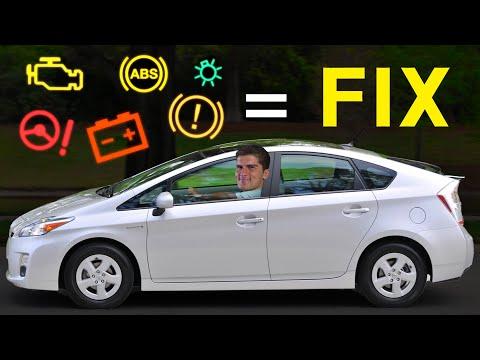





2014 Toyota Prius No-Start? Troubleshoot “No Starter Motor” Issues (MG1/READY Guide)
Step-by-step checks for no READY/no crank: 12V battery, fuses, terminals, scan codes, and hybrid safety tips for 2004, 2005, 2006, 2007, 2008, 2009
2014 Toyota Prius No-Start? Troubleshoot “No Starter Motor” Issues (MG1/READY Guide)
Step-by-step checks for no READY/no crank: 12V battery, fuses, terminals, scan codes, and hybrid safety tips for 2004, 2005, 2006, 2007, 2008, 2009


🔧 Prius - Starter Motor Replacement (Not Applicable on This Hybrid)
Your Prius does not use a traditional 12V starter motor like a normal gasoline car. The gasoline engine is cranked by an electric motor-generator inside the transaxle (called MG1), controlled by the hybrid system.
If you have a “no crank/no start,” the fix is usually 12V power, hybrid control, or (rarely) transaxle/MG1-related—NOT a bolt-on starter replacement.
Difficulty Level: Intermediate (diagnosis) / Advanced (MG1/transaxle work) | Estimated Time: 0.5-2.0 hours (checks) / 10-16 hours (transaxle replacement)
⚠️ Safety & Precautions
- ⚠️ High voltage hybrid system: never touch orange cables/connectors.
- ⚠️ If you must work near the inverter/transaxle, disable the HV battery using the service plug and wait the specified time before touching HV components.
- ⚠️ Use jack stands; never rely on a jack alone.
- ⚠️ If the car won’t go to READY, do not keep cycling power repeatedly; you can set more faults.
- Battery disconnect: 12V battery negative cable can be disconnected for basic checks; HV battery service plug is only for HV-related work.
🔧 Required Tools
You'll need the following tools for this repair:
- 10mm socket
- 12mm socket
- Ratchet (3/8")
- Torque wrench (10–100 Nm range)
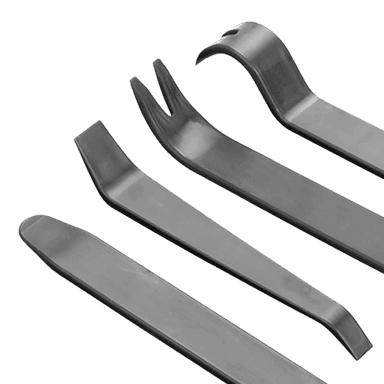
- Trim clip remover tool
- Digital multimeter
- OBD2 scan tool with Toyota hybrid support (Techstream-capable) (specialty)
- Insulated mechanic gloves (1000V-rated) (specialty)
- Safety glasses
- Floor jack (rated 3-ton minimum)
- Jack stands (rated 3-ton minimum)
- Wheel chocks
🔩 Required Parts
HowToo sells all the parts you need for this repair:
- 12V auxiliary battery - Qty: 1 (only if testing fails)
- 12V battery terminal hardware kit - Qty: 1 (only if corroded/damaged)
- AM2 / IG2 style fuses (assorted mini/low-profile) - Qty: 1 (only if blown)
📋 Before You Begin
- Park on level ground, shift to P, and set the parking brake.
- Keep the smart key at least 15 feet away if you’re unplugging connectors (prevents accidental wake-up).
- If lifting the car, use wheel chocks and support with jack stands.
- On hybrids, “READY” matters more than “crank.”
🔨 Step-by-Step Instructions
Follow these steps in order:
Step 1: Confirm the symptom (no READY vs no engine start)
- Press the brake pedal firmly and push POWER to start.
- If the dash shows READY, the hybrid system is on; the engine may stay off at idle and that can be normal.
- If READY does NOT appear, focus on 12V power, fuses, or hybrid faults (not a starter).
Step 2: Check 12V battery voltage (most common cause)
- Open the hatch and access the 12V battery area (use trim clip remover tool as needed).
- Use a digital multimeter across the battery terminals.
- As a quick rule: ~12.6V is healthy resting; near/under ~12.0V is often too weak for hybrids to boot computers.
- If the battery is low, charge it fully or replace it before doing anything else.
Step 3: Inspect battery terminals and grounds
- Use a 10mm socket to check terminal tightness (do not over-tighten).
- Look for white/green corrosion, loose clamps, or damaged cables.
- If disconnecting the 12V battery negative terminal, use 10mm socket and move it aside so it can’t spring back.
Step 4: Check key fuses related to hybrid “wake-up”
- With the car OFF, open the under-hood fuse/relay box.
- Use a digital multimeter to test fuses for continuity (better than just looking).
- Common “no READY” contributors are IG/AM-type circuits; replace only fuses that test bad using the correct AM2 / IG2 style fuses.
Step 5: Scan for hybrid and power management trouble codes
- Plug in an OBD2 scan tool with Toyota hybrid support (Techstream-capable) (specialty).
- Read codes from Hybrid Control, Power Management, Engine, and Transmission control modules.
- Record codes before clearing anything; the code list is your roadmap to the real failed part.
- Clear codes only after you’ve written them down and fixed the cause.
Step 6: If you were expecting a “starter,” understand the actual repair path
- There is no external starter motor to unbolt and replace on your Prius.
- If diagnosis points to MG1/transaxle failure, the typical fix is transaxle replacement (advanced job involving hybrid high voltage and coolant).
- If MG1 is suspected, plan on shop-level work.
Step 7: If the engine won’t start but READY is on
- Use your scan tool to check for engine-related codes (misfire, fuel, immobilizer, etc.).
- Do not assume “starter”—if READY is on, the hybrid system can crank the engine, so the problem is usually fuel/ignition/sensor/compression or a hybrid control limitation.
✅ After Repair
- Verify the car enters READY normally and no warning lights remain.
- Use the scan tool to confirm no pending hybrid/power management codes.
- Test drive: confirm normal acceleration and that the engine starts/stops normally during driving.
💰 DIY vs Shop Cost
Shop Cost: $150-$350 (diagnosis/12V issues) OR $3,500-$6,500 (transaxle/MG1-related replacement)
DIY Cost: $0-$350 (scan/12V battery/fuses, parts only)
You Save: $150-$350+ by doing the basic checks yourself!
Shop labor rates vary but typically run $100-$150/hour. This repair takes a shop approximately 1-2 hours for diagnostics, or 10-16 hours for transaxle replacement.
🎯 Ready to get started?
HowToo makes it easy: same-day/2-day shipping on every part, plus all the tools and specialty tools you need! Check out the parts and tools sections below to add everything to your cart.