













2014 Toyota Highlander Power Steering Pump Replacement? EPS Diagnosis & Heavy Steering Fix Guide
Learn how to confirm the EPS system (no pump), check battery/charging, fuses, and scan EPS codes step-by-step
2014 Toyota Highlander Power Steering Pump Replacement? EPS Diagnosis & Heavy Steering Fix Guide
Learn how to confirm the EPS system (no pump), check battery/charging, fuses, and scan EPS codes step-by-step


🔧 Highlander - Power Steering Pump Replacement (Not Applicable) / EPS System Check
Your Highlander uses Electric Power Steering (EPS), which means there is no hydraulic power steering pump, no drive belt for steering assist, and typically no power steering fluid reservoir.
If you’re having heavy steering, a warning light, or noises, the fix is usually in the EPS electrical system (battery/charging, fuses, steering rack/motor, or a sensor)—not a pump replacement.
Difficulty Level: Beginner | Estimated Time: 0.5–1.0 hours
⚠️ Safety & Precautions
- ⚠️ Keep hands clear of the cooling fan; it can start anytime.
- ⚠️ If you unplug EPS connectors, disconnect the negative battery cable first to avoid fault codes and accidental steering movement.
- ⚠️ If you end up replacing steering/suspension parts later, a professional alignment is required.
🔧 Required Tools
You'll need the following tools for this repair:
- 10mm socket
- 12mm socket
- Ratchet (3/8")
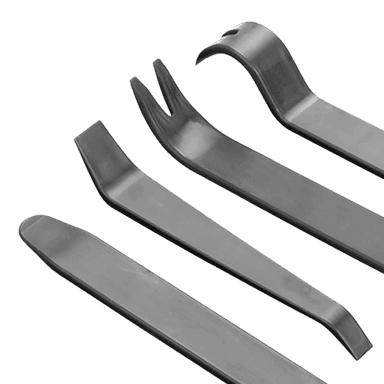
- Trim clip removal tool
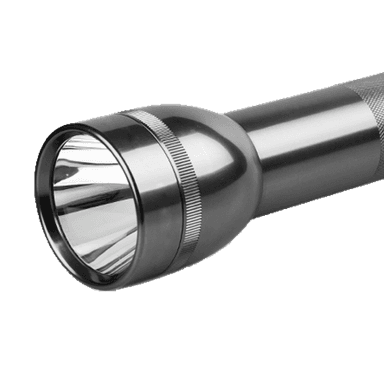
- Flashlight
- Multimeter
- OBD2 scan tool with Toyota EPS code access (specialty)
- Safety glasses
- Nitrile gloves
🔩 Required Parts
HowToo sells all the parts you need for this repair:
- EPS-related fuses (assortment) - Qty: 1
- 12V battery (correct group size for Highlander) - Qty: 1
- Serpentine drive belt - Qty: 1
- Electric power steering rack assembly - Qty: 1
📋 Before You Begin
- Park on level ground, shift to P, and set the parking brake.
- Open the hood and let the engine cool a bit if it was just driven.
- Two quick checks for you (reply with what you see):
- ➡️ Do you see a power steering fluid reservoir/cap anywhere in the engine bay?
- ➡️ Is there an EPS or steering wheel warning light on the dash?
🔨 Step-by-Step Instructions
Follow these steps in order:
Step 1: Confirm there’s no power steering pump
- Use a flashlight and look at the front of the engine where the drive belt runs.
- On your Highlander, you should not find a belt-driven power steering pump or power steering fluid reservoir.
- If there’s no reservoir, there’s no pump to replace.
Step 2: Check belt condition (still important)
- Use a flashlight to inspect the serpentine belt for cracks, missing ribs, or glazing.
- A bad belt won’t kill steering assist on EPS, but it can reduce charging (alternator), and EPS is sensitive to low voltage.
Step 3: Check battery voltage (common cause of heavy steering)
- Set your multimeter to DC volts.
- With engine OFF, check battery voltage at the terminals: you want roughly 12.4–12.7V on a healthy, charged battery.
- Start the engine and re-check: you typically want about 13.5–14.7V charging voltage.
- If voltage is low, EPS can reduce assist and set codes.
Step 4: Check EPS-related fuses
- Use a trim clip removal tool (if needed) to open the fuse box covers.
- Use your flashlight to find the fuses labeled for steering/EPS (labels are on the fuse box cover).
- Pull and inspect suspect fuses visually, or use a multimeter continuity test.
Step 5: Scan for EPS trouble codes
- Plug in an OBD2 scan tool with Toyota EPS code access (specialty) and run a full vehicle scan.
- Write down any codes from Power Steering / EPS and ABS/VSC modules (they can be related).
- Generic scanners often miss EPS codes.
Step 6: Decide the correct repair based on what you find
- If the scan shows low-voltage/communication codes, address the battery/charging system first.
- If you have EPS motor/rack internal codes, the common repair is replacing the electric steering rack assembly (not a pump).
- If you tell me the exact EPS codes, I’ll give you the correct manufacturer-specific next steps.
✅ After Repair
- Clear codes using the OBD2 scan tool with Toyota EPS code access (specialty) and re-check after a short drive.
- Road test in a safe area: verify steering assist is normal and no warning lights return.
- If any steering/suspension parts are replaced later (like the rack), get a 4-wheel alignment.
💰 DIY vs Shop Cost
Shop Cost: ₹5,000–₹18,000 (diagnosis/charging/battery related) OR ₹60,000–₹1,50,000 (if EPS rack replacement is needed)
DIY Cost: ₹0–₹12,000 (testing + fuses/battery/belt as needed) OR ₹35,000–₹1,10,000 (parts only if rack is needed)
You Save: ₹5,000–₹40,000+ by doing it yourself!
Shop labor rates vary but typically run $100-$150/hour. This repair takes a shop approximately 0.5–1.0 hours for diagnosis, much more for rack replacement.
🎯 Ready to get started?
HowToo makes it easy: same-day/2-day shipping on every part, plus all the tools and specialty tools you need! Check out the parts and tools sections below to add everything to your cart.