













2014 Toyota Corolla Power Steering Pump Replacement? Fix EPS Steering Issues Instead
Step-by-step EPS troubleshooting with fuse checks, battery/charging tests, scan tool tips, and safety precautions
2014 Toyota Corolla Power Steering Pump Replacement? Fix EPS Steering Issues Instead
Step-by-step EPS troubleshooting with fuse checks, battery/charging tests, scan tool tips, and safety precautions


🔧 Corolla - Power Steering Pump Replacement (Not Applicable: Electric Power Steering)
Your Corolla uses Electric Power Steering (EPS), which means there is no hydraulic power steering pump, no power steering belt-driven pump, and no power steering fluid to replace or service.
If you’re having stiff steering, noise, or a warning light, the fix is usually in the EPS electrical system (battery/charging, fuses, wiring, steering rack/assist motor), not a pump.
Difficulty Level: Beginner | Estimated Time: 0.5-1.5 hours (basic checks)
⚠️ Safety & Precautions
- ⚠️ If you work near the steering column, disconnect the 12V battery and wait 90 seconds (airbag/SRS backup power) before touching connectors.
- ⚠️ Keep hands/clothes clear of moving parts if the engine is running for charging-system checks.
- ⚠️ Support the car with jack stands if you lift the front wheels for steering feel checks.
🔧 Required Tools
You'll need the following tools for this repair:
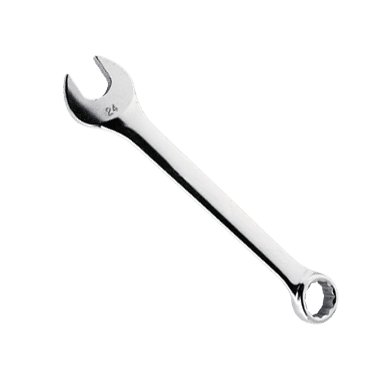
- 10mm wrench
- 10mm socket
- 3/8" drive ratchet
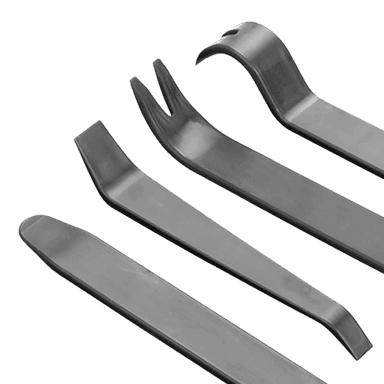
- Trim clip remover
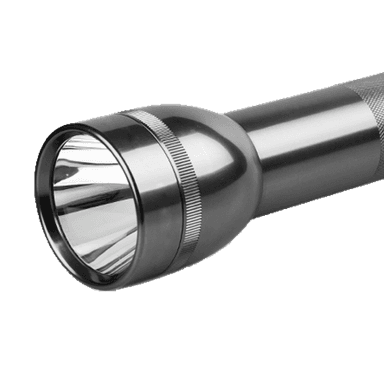
- Flashlight
- Digital multimeter
- OBD2 scan tool with Toyota EPS code access (specialty)
- Floor jack (rated 2-ton minimum)
- Jack stands (rated 2-ton minimum)
- Wheel chocks
- Safety glasses
- Mechanic gloves
🔩 Required Parts
HowToo sells all the parts you need for this repair:
- EPS fuse(s) (as-needed) - Qty: 1
- 12V battery (as-needed) - Qty: 1
- Battery terminal cleaning kit (as-needed) - Qty: 1
📋 Before You Begin
- Park on level ground, shift to P, and set the parking brake.
- Place wheel chocks behind the rear wheels.
- If you’ll unplug anything near the steering column, use a 10mm wrench to disconnect the negative battery terminal and wait 90 seconds.
🔨 Step-by-Step Instructions
Follow these steps in order:
Step 1: Confirm the car has EPS (no pump to replace)
- Open the hood and use a flashlight to look for a power steering fluid reservoir. On EPS-equipped Corolla models, you won’t find one.
- Look for a belt-driven pump with hoses labeled/recognized as power steering lines—there shouldn’t be one on your Corolla.
- EPS = electric motor assist, not fluid.
Step 2: Check for an EPS/steering warning light and scan for codes
- Turn the key ON (engine can be OFF) and look for a steering wheel warning light on the dash.
- Plug in an OBD2 scan tool with Toyota EPS code access (specialty) and pull codes from the EPS/Power Steering system (not just “engine” codes).
- If you get codes, save them. Codes point you to the exact circuit/sensor the EPS computer is unhappy with.
Step 3: Do a quick battery and charging-system health check
- With the engine OFF, use a digital multimeter at the battery posts: a healthy battery is typically around the mid-12V range.
- Start the engine and re-check voltage with the digital multimeter. The alternator should raise voltage above battery-only voltage.
- If voltage is low or unstable, EPS assist can reduce or shut off to protect the system.
Step 4: Inspect battery terminals and main power connections
- Use a 10mm wrench to remove and inspect the battery terminals for looseness or corrosion (white/green crust).
- Clean and tighten as needed, then re-check for EPS warnings.
- Loose terminals can mimic big failures.
Step 5: Check EPS-related fuses
- Open the under-hood fuse/relay box (usually clips; use a trim clip remover if needed).
- Use the fuse box diagram to locate any EPS / PS / PWR STR fuses.
- Pull suspected fuses and inspect them, or test them with a digital multimeter.
- Replace only with the same amperage fuse.
Step 6: Basic steering feel check (front wheels lifted)
- Lift the front safely using a floor jack and set the car onto jack stands.
- With the engine OFF, gently turn the steering wheel: it should feel smooth (heavier is normal with no assist).
- With the engine ON, steering should become noticeably easier. If it doesn’t, you likely have an EPS assist issue (not a pump issue).
✅ After Repair
- Clear EPS codes (if you fixed a power/fuse/connection issue) using the OBD2 scan tool with Toyota EPS code access (specialty) and recheck after a short test drive.
- Verify there’s no steering warning light and steering assist feels normal during parking-lot turns.
- If the warning light returns immediately, the next step is targeted diagnosis (wiring, torque sensor, EPS motor/rack), not a pump replacement.
💰 DIY vs Shop Cost
Shop Cost: $150-$300 (diagnostic + basic electrical checks)
DIY Cost: $0-$40 (fuse/terminal service)
You Save: $150-$260 by doing it yourself!
Shop labor rates vary but typically run $100-$150/hour. This repair takes a shop approximately 1.0-2.0 hours.
🎯 Ready to get started?
HowToo makes it easy: same-day/2-day shipping on every part, plus all the tools and specialty tools you need! Check out the parts and tools sections below to add everything to your cart.