













2014-2018 GMC Sierra 1500 5.3L: Timing Belt vs Timing Chain + Serpentine Belt Replacement Guide (Engine: V8 6.2L)
Clarifies the timing chain setup and provides step-by-step accessory belt routing, tools, safety tips, and key torque specs
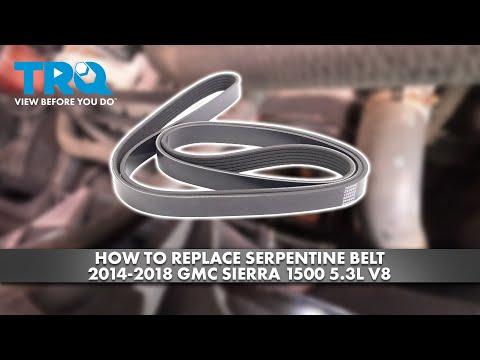
2014-2018 GMC Sierra 1500 5.3L: Timing Belt vs Timing Chain + Serpentine Belt Replacement Guide (Engine: V8 6.2L)
Clarifies the timing chain setup and provides step-by-step accessory belt routing, tools, safety tips, and key torque specs for 2014, 2015, 2016, 2017, 2018


🔧 Sierra 1500 - Timing Belt Clarification & Accessory Belt Replacement
Your Sierra 1500 with the 5.3L V8 does not use a timing belt. It uses a timing chain inside the front of the engine, lubricated by engine oil.
Most people asking for a “timing belt” on this truck actually mean the serpentine/accessory drive belt (the outer belt that drives the alternator, A/C, etc.). Below is the correct DIY procedure for the accessory belt.
Difficulty Level: Beginner | Estimated Time: 0.5-1.0 hours
⚠️ Safety & Precautions
- ⚠️ Keep hands clear of the belt path; the tensioner is spring-loaded and can snap back.
- ⚠️ Let the engine cool; working near the radiator/fan on a hot engine can burn you.
- ⚠️ For your truck’s mild-hybrid system, prevent auto-start events: shut the truck OFF, remove the key/fob from the vehicle area, and disconnect the negative battery cable.
🔧 Required Tools
You'll need the following tools for this repair:
- 10mm socket
- 3/8" drive ratchet
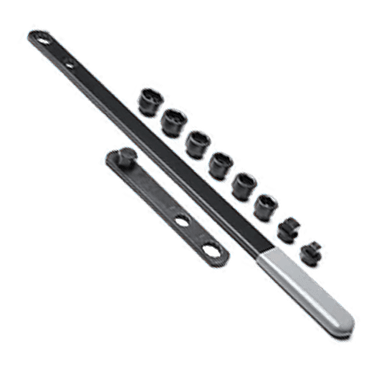
- 3/8" drive serpentine belt tool (specialty)
- 15mm socket
- Torque wrench (10-60 ft-lbs range)
- Trim clip removal tool
- Work light
- Mechanic gloves
- Safety glasses
🔩 Required Parts
HowToo sells all the parts you need for this repair:
- Serpentine/accessory drive belt - Qty: 1
📋 Before You Begin
- Park on level ground, shift to Park, and set the parking brake.
- Open the hood and locate the belt routing diagram (usually a sticker near the radiator support). If it’s missing, take a clear photo of the current routing before removal.
- Disconnect the battery negative cable: use a 10mm socket to remove the negative terminal and tuck it aside so it can’t spring back.
- Tip: Photo the belt path first.
🔨 Step-by-Step Instructions
Follow these steps in order:
Step 1: Remove the engine cover (if equipped)
- Grip the cover and pull straight upward to release the rubber grommets.
- If your cover has retainers, use a trim clip removal tool to pop them free.
Step 2: Relieve belt tension
- Locate the belt tensioner (spring-loaded pulley assembly).
- Install a 15mm socket on the tensioner’s hex and attach a 3/8" drive ratchet (or use a 3/8" drive serpentine belt tool (specialty) for better reach).
- Rotate the tensioner smoothly to unload the belt tension.
- While holding the tensioner, slide the belt off the nearest easy-to-reach pulley (often the alternator).
- Slowly let the tensioner return to its resting position. Do not let it snap back.
Step 3: Remove the old belt
- Pull the belt out of the remaining pulleys and remove it from the engine bay.
- Inspect pulleys by hand: they should spin smoothly and quietly with no wobble.
Step 4: Route the new belt
- Route the new belt following the under-hood diagram (or your photo), leaving one easy-access pulley for last.
- Make sure the belt ribs sit fully in the grooved pulleys; the belt should not ride up on any edge.
- Tip: Misaligned ribs cause squeal fast.
Step 5: Re-apply tension and install the belt
- Use the 15mm socket and 3/8" drive ratchet to rotate the tensioner again.
- Slip the belt onto the final pulley.
- Slowly release the tensioner so it tightens the belt.
Step 6: Reconnect battery and reinstall cover
- Reconnect the negative battery terminal using a 10mm socket and tighten the clamp: Torque to 17 Nm (13 ft-lbs).
- Reinstall the engine cover by aligning the grommets and pressing down firmly.
✅ After Repair
- Start the engine and watch the belt for 15–30 seconds. It should run centered on every pulley with no wobble.
- Listen for squeal or chirping. If you hear it, shut off the engine and re-check belt routing and that all ribs are seated.
- Take a short test drive and re-check for noise.
💰 DIY vs Shop Cost
Shop Cost: $150-$300 (parts + labor)
DIY Cost: $35-$90 (parts only)
You Save: $115-$210 by doing it yourself!
Shop labor rates vary but typically run $100-$150/hour. This repair takes a shop approximately 0.5-1.0 hours.
🎯 Ready to get started?
HowToo makes it easy: same-day/2-day shipping on every part, plus all the tools and specialty tools you need! Check out the parts and tools sections below to add everything to your cart.
Quick question (so I guide you correctly): Did you mean the serpentine/accessory belt (outer belt), or are you truly trying to replace the internal timing chain?
Guide for Serpentine Belt replace for these GMC vehicles
| Year Make Model | Sub Model | Engine | Body Style |
|---|---|---|---|
| 2018 GMC Sierra 1500 | - | V8 5.3L | - |
| 2018 GMC Sierra 1500 | - | V8 6.2L | - |
| 2017 GMC Sierra 1500 | - | V8 5.3L | - |
| 2017 GMC Sierra 1500 | - | V8 6.2L | - |
| 2016 GMC Sierra 1500 | - | V8 5.3L | - |
| 2016 GMC Sierra 1500 | - | V8 6.2L | - |
| 2015 GMC Sierra 1500 | - | V8 5.3L | - |
| 2015 GMC Sierra 1500 | - | V8 6.2L | - |
| 2014 GMC Sierra 1500 | - | V8 5.3L | - |
| 2014 GMC Sierra 1500 | - | V8 6.2L | - |