













2013 Nissan Altima Power Steering Pump Replacement? Troubleshoot EPS (No Pump Installed)
Step-by-step EPS diagnosis for heavy steering, warning lights, fuses, voltage checks, and scan codes
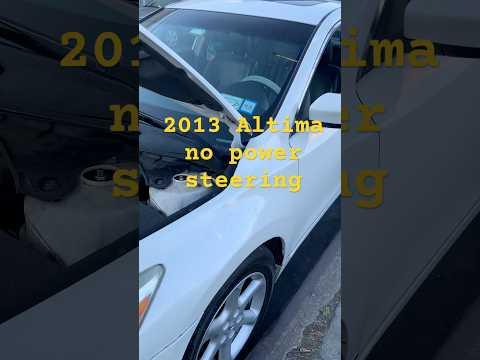
2013 Nissan Altima Power Steering Pump Replacement? Troubleshoot EPS (No Pump Installed)
Step-by-step EPS diagnosis for heavy steering, warning lights, fuses, voltage checks, and scan codes


🔧 Altima - Power Steering Pump Replacement (Not Equipped)
Your Altima uses Electric Power Steering (EPS), which means there is no hydraulic power steering pump, no power steering belt, and no power steering fluid reservoir to replace or service.
If you’re having heavy steering, noise, or a warning light, the issue is usually in the EPS system (battery/charging, fuses, wiring, or the EPS steering rack/motor).
Difficulty Level: Beginner (checks) / Advanced (EPS rack replacement) | Estimated Time: 0.5-1.0 hours (checks)
⚠️ Safety & Precautions
- ⚠️ Turn ignition OFF and remove the key before working near steering components.
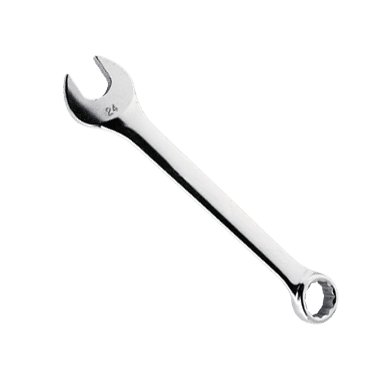
- ⚠️ If disconnecting the battery: use a 10mm wrench and disconnect the negative (-) terminal first.
- ⚠️ Never work under a car supported only by a jack; always use jack stands.
- ⚠️ Keep hands clear of the steering wheel if someone turns the wheel.
🔧 Required Tools
You'll need the following tools for this repair:
- 10mm wrench
- 10mm socket
- 3/8" ratchet
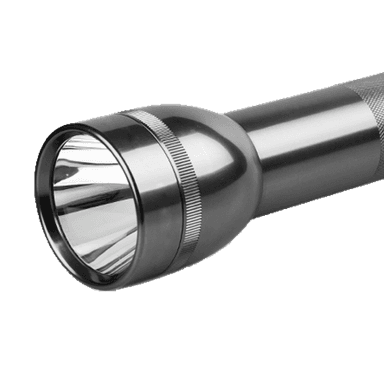
- Flashlight
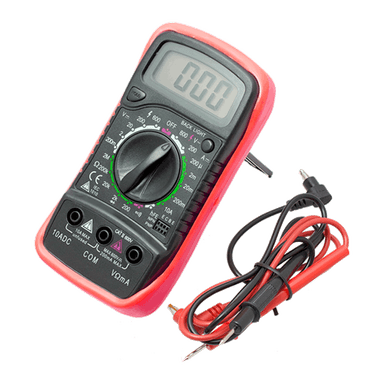
- Digital multimeter
- OBD-II scan tool with Nissan EPS/Chassis code access (specialty)
- Floor jack (rated 3-ton minimum)
- Jack stands (rated 3-ton minimum)
- Wheel chocks
- Safety glasses
- Mechanic gloves
🔩 Required Parts
HowToo sells all the parts you need for this repair:
- EPS-related fuse(s) (as needed) - Qty: 1
- Battery terminal cleaning kit (as needed) - Qty: 1
📋 Before You Begin
- Park on level ground and set the parking brake.
- Place wheel chocks behind the rear wheels.
- If your steering is very heavy, plan to do checks with the engine OFF first.
🔨 Step-by-Step Instructions
Follow these steps in order:
Step 1: Confirm this is EPS (no pump to replace)
- Open the hood and use a flashlight to look for a round pump with hoses and a fluid reservoir—your Altima will not have these.
- Look instead for an EPS warning light on the dash (a steering wheel icon). If it’s on, that points to an EPS fault.
Step 2: Check battery connections (common cause of EPS complaints)
- Turn ignition OFF.
- Use a 10mm wrench to ensure both battery terminals are tight (don’t over-tighten).
- If you see white/green buildup, clean the terminals (corrosion can drop voltage and EPS may reduce assist).
Step 3: Quick charging/voltage check
- Use a digital multimeter at the battery:
- Engine OFF: you typically want around 12.4-12.7V.
- Engine running: you typically want around 13.5-14.7V.
- If voltage is low, EPS assist can drop or shut off.
Step 4: Check EPS-related fuses
- Turn ignition OFF.
- Use a flashlight and inspect the fuse boxes (engine bay and interior).
- Remove/inspect suspect fuses using a 10mm socket only if a cover/fastener requires it.
- Replace any blown fuse with the exact same amperage rating.
Step 5: Scan for EPS trouble codes
- Plug in an OBD-II scan tool with Nissan EPS/Chassis code access (specialty).
- Read codes in the Chassis/Steering/EPS system (not just the engine codes).
- Write down the exact code(s). These codes determine whether it’s a power/ground issue, torque sensor issue, or steering rack/motor issue.
- Don’t buy parts without the EPS code.
Step 6: If the EPS steering rack is diagnosed bad
- This repair is typically Advanced and requires lifting the car with a floor jack (rated 3-ton minimum) and supporting it with jack stands (rated 3-ton minimum).
- It also requires a professional wheel alignment after installation.
- If you want, tell me your EPS code(s) and symptom, and I’ll give you the exact next repair path for your Altima.
✅ After Repair
- Start the engine and verify the steering assist feels normal.
- Re-scan with the OBD-II scan tool with Nissan EPS/Chassis code access (specialty) and confirm codes are cleared and do not return.
- If any steering/suspension parts were removed (rack/tie rods/subframe work), get a 4-wheel alignment.
💰 DIY vs Shop Cost
Shop Cost: $150-$350 (diagnosis/inspection) or $1,200-$2,500 (EPS steering rack replacement parts + labor + alignment)
DIY Cost: $0-$50 (basic checks/fuses/cleaning supplies) or $600-$1,800 (rack parts only, varies)
You Save: $100-$500+ (for basic checks) by doing it yourself!
Shop labor rates vary but typically run $100-$150/hour. This repair takes a shop approximately 0.5-1.0 hours (diagnosis) or 4-7 hours (rack replacement).
🎯 Ready to get started?
HowToo makes it easy: same-day/2-day shipping on every part, plus all the tools and specialty tools you need! Check out the parts and tools sections below to add everything to your cart.
Two quick questions so I can guide you correctly:
- What symptom do you have: heavy steering, whining noise, or an EPS warning light?
- Do you have any EPS/Chassis trouble code(s) from a scan?