














2013-2016 Mazda CX-5 Power Steering Pump? Troubleshoot EPS No-Assist & Replace Steering Rack (Engine: Inline 4 2.0L)
Learn why there’s no hydraulic pump, how to scan EPS codes, check fuses/voltage, and complete rack replacement steps
2013-2016 Mazda CX-5 Power Steering Pump? Troubleshoot EPS No-Assist & Replace Steering Rack (Engine: Inline 4 2.0L)
Learn why there’s no hydraulic pump, how to scan EPS codes, check fuses/voltage, and complete rack replacement steps for 2013, 2014, 2015, 2016


🔧 CX-5 - Power Steering Pump Replacement
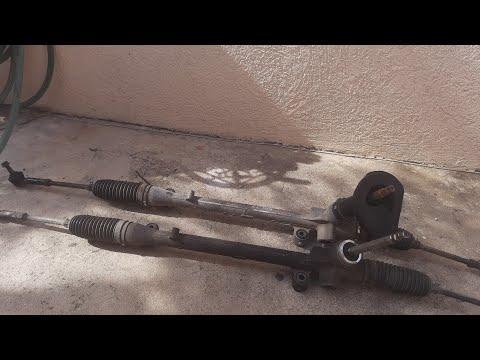
Your CX-5 does not use a hydraulic power steering system, so there is no power steering pump to replace. It uses Electric Power Steering (EPS), where an electric motor/module assists steering (usually on the steering rack).
Before I lay out a rack/EPS replacement plan, I need just two details so you don’t buy the wrong part: (1) Do you have a steering wheel/EPS warning light on the dash? (2) What symptom are you fixing: hard steering, no assist, noise, or pull/wander?
Difficulty Level: Intermediate (diagnosis) / Advanced (EPS rack replacement) | Estimated Time: 0.5-1.0 hours (checks) / 4-8 hours (rack)
⚠️ Safety & Precautions
- ⚠️ Disconnect the negative battery terminal before unplugging EPS connectors.
- ⚠️ Keep the front wheels straight if working near the steering column to avoid damaging the clockspring (the spiral cable for the airbag).
- ⚠️ Never probe yellow airbag connectors; stay away from SRS wiring.
- ⚠️ If the vehicle must be raised, use jack stands on solid points—never rely on a jack alone.
🔧 Required Tools
You'll need the following tools for this repair:
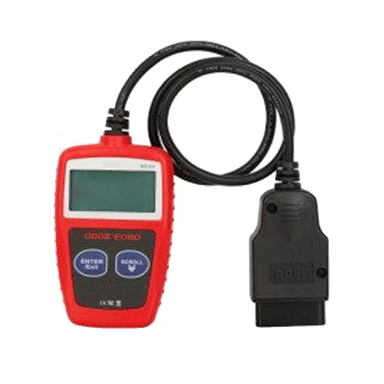
- OBD2 scan tool with EPS/ABS capability (specialty)
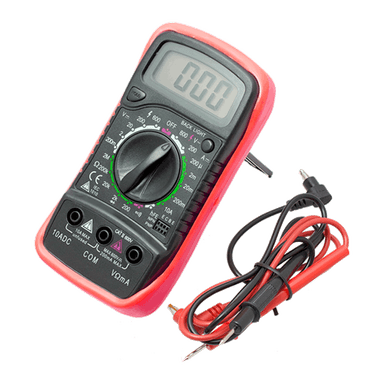
- Digital multimeter
- Battery charger or maintainer
- 10mm socket
- Ratchet
- Torque wrench (5–80 Nm range)
- Trim clip removal tool
- Flashlight
- Floor jack (rated 2-ton minimum)
- Jack stands (rated 2-ton minimum)
- Wheel chocks
- Safety glasses
- Mechanic gloves
🔩 Required Parts
HowToo sells all the parts you need for this repair:
- EPS main fuse (if failed) - Qty: 1
- 12V battery (if battery fails testing) - Qty: 1
- Electric power steering rack assembly (if confirmed faulty) - Qty: 1
- Outer tie rod ends (recommended if worn) - Qty: 2
- Steering rack mounting hardware (if required) - Qty: 1
📋 Before You Begin
- Park on level ground, set the parking brake, and chock the rear wheels.
- Center the steering wheel and leave it centered.
- Connect a battery charger if you’ll be scanning/clearing codes for a while.
- If you will disconnect EPS connectors: use a 10mm socket to remove the negative battery terminal and wait 3 minutes before touching connectors.
🔨 Step-by-Step Instructions
Follow these steps in order:
Step 1: Confirm it’s EPS (no pump present)
- Open the hood and look for a power steering fluid reservoir—your CX-5 should not have one.
- If someone told you “pump,” they’re usually referring to the EPS rack/motor/module instead.
Step 2: Scan for EPS trouble codes
- Plug in an OBD2 scan tool with EPS capability (specialty) and read codes from EPS/PCM/ABS.
- Write down any codes exactly (example formats: C1xx, U0xxx) and whether they are “current” or “history.”
- Codes save guesswork and money.
Step 3: Check battery voltage and charging
- Use a digital multimeter across the battery posts.
- Engine OFF: about 12.4–12.7V is healthy; much lower can cause EPS to reduce/lose assist.
- Engine running: typically 13.5–14.7V (charging). If low, fix charging before replacing EPS parts.
Step 4: Check EPS-related fuses and power feeds
- Use a flashlight to locate the fuse boxes and check for any blown high-amp EPS fuses.
- Use a digital multimeter to confirm power is present where it should be (a fuse can look good but fail under load).
Step 5: Quick wiring/connector inspection at the rack area
- If you need to get underneath: use a floor jack, then support with jack stands.
- Use a flashlight to inspect EPS wiring/connectors for water intrusion, broken locks, rubbing, or green corrosion.
- If disconnecting connectors: remove the negative terminal with a 10mm socket first, then reconnect firmly.
Step 6: Decide the correct “replacement” based on results
- If you have low voltage/charging issues: repair those first (EPS often returns to normal).
- If you have EPS codes pointing to internal rack motor/module failure: the usual fix is replacing the electric steering rack assembly, then performing an alignment and often steering angle/EPS calibration with a capable scan tool.
- If your issue is “pull” or uneven steering feel with no EPS codes: you may need tires/alignment/suspension checks instead of EPS parts.
✅ After Repair
- Clear EPS codes with the OBD2 scan tool with EPS/ABS capability (specialty) and re-check which codes return.
- Test drive in a safe area: verify assist is normal and the steering wheel returns to center smoothly.
- If any steering/suspension parts were replaced: get a 4-wheel alignment.
💰 DIY vs Shop Cost
Shop Cost: $150-$350 (diagnosis) / $1,200-$2,500 (EPS rack replacement + alignment)
DIY Cost: $0-$50 (checks) / $600-$1,600 (rack parts only, if needed)
You Save: $150-$900 by doing it yourself!
Shop labor rates vary but typically run $100-$150/hour. This repair takes a shop approximately 0.5-1.0 hours (checks) or 4-8 hours (rack).
🎯 Ready to get started?
HowToo makes it easy: same-day/2-day shipping on every part, plus all the tools and specialty tools you need! Check out the parts and tools sections below to add everything to your cart.
Guide for Vehicle Battery replace for these Mazda vehicles
| Year Make Model | Sub Model | Engine | Body Style |
|---|---|---|---|
| 2016 Mazda CX-5 | - | Inline 4 2.0L | - |
| 2016 Mazda CX-5 | - | Inline 4 2.5L | - |
| 2015 Mazda CX-5 | - | Inline 4 2.0L | - |
| 2015 Mazda CX-5 | - | Inline 4 2.5L | - |
| 2014 Mazda CX-5 | - | Inline 4 2.0L | - |
| 2014 Mazda CX-5 | - | Inline 4 2.5L | - |
| 2013 Mazda CX-5 | - | Inline 4 2.0L | - |