














2012-2015 Toyota Camry Hybrid No-Charge Fix: Diagnose DC/DC Converter & Replace Inverter Assembly
Step-by-step hybrid charging system troubleshooting with safety tips, tools/parts list, and OEM torque spec notes
2012-2015 Toyota Camry Hybrid No-Charge Fix: Diagnose DC/DC Converter & Replace Inverter Assembly
Step-by-step hybrid charging system troubleshooting with safety tips, tools/parts list, and OEM torque spec notes for 2012, 2013, 2014, 2015


🔧 Camry - Alternator Replacement
Your Camry Hybrid does not use a conventional belt-driven alternator. It charges the 12V system using a DC/DC converter (built into the inverter with converter assembly), so an “alternator replacement” on this model typically means diagnosing the 12V charging system and, if failed, replacing the inverter-with-converter assembly.
Difficulty Level: Advanced | Estimated Time: 4-7 hours
Assumption: You’re chasing “no charge / 12V battery not charging” and want the hybrid charging unit procedure.
⚠️ Safety & Precautions
- ⚠️ Hybrid high voltage can cause severe injury or death—do not touch orange cables/connectors unless HV is fully disabled.
- ⚠️ Wear Class 0 insulated gloves and remove metal jewelry.
- ⚠️ Disable the hybrid system by removing the service plug grip (traction battery disconnect), then wait the specified time for capacitors to discharge.
- ⚠️ Keep the key fob far from the car so it can’t go READY unexpectedly.
- ⚠️ You’ll open the inverter coolant circuit—hot coolant can burn; work on a cool engine.
- ⚠️ If you are not trained for hybrid HV work, stop and have a qualified hybrid tech perform the replacement.
🔧 Required Tools
You'll need the following tools for this repair:
- Safety glasses
- Nitrile gloves
- Class 0 insulated gloves (1000V rated)
- Insulated hand-tool set (specialty)
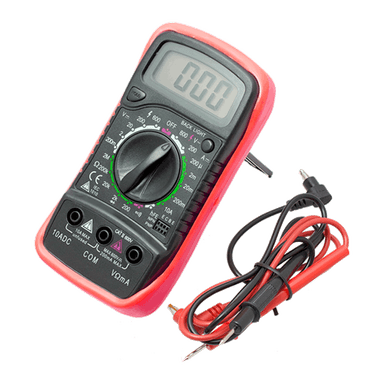
- Digital multimeter CAT III 600V minimum
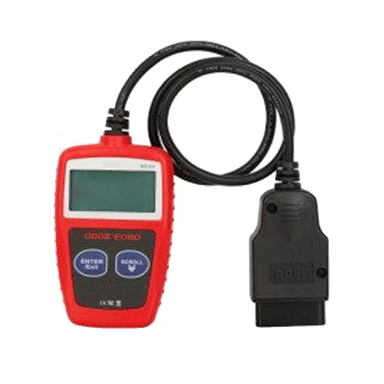
- OBD2 scan tool with Toyota hybrid data (specialty)
- Floor jack (rated 3-ton minimum)
- Jack stands (rated 3-ton minimum)
- Wheel chocks
- 10mm socket
- 12mm socket
- 14mm socket
- 3/8" drive ratchet
- 6" extension
- Trim clip removal tool
- Flat-blade screwdriver
- Torque wrench (10–100 Nm range)
- Drain pan (2-gallon minimum)
- Long-neck funnel
- Pliers
- Hose clamp pliers
🔩 Required Parts
HowToo sells all the parts you need for this repair:
- Inverter with converter assembly - Qty: 1
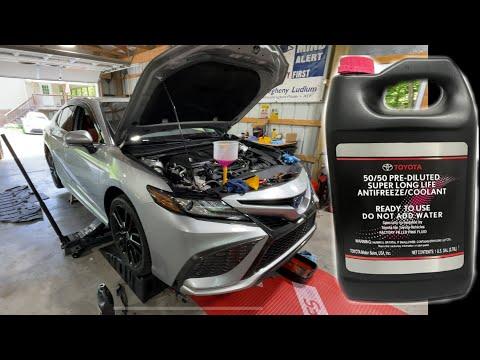
- Inverter coolant (Toyota Super Long Life Coolant equivalent) - Qty: 1-2 gallons
- Inverter coolant hose clamps - Qty: 2-6
- Inverter/converter sealing gaskets or O-rings (as applicable) - Qty: 1 set
- Shop towels - Qty: 1
📋 Before You Begin
- Park on level ground, shift to P, and set the parking brake.
- Let the engine bay cool fully.
- Chock the rear wheels with wheel chocks.
- Open the trunk and keep it accessible (traction battery disconnect is in the rear area).
- Plan for coolant handling: place a drain pan under the front of the car.
🔨 Step-by-Step Instructions
Follow these steps in order:
Step 1: Confirm it’s a charging problem (not the 12V battery)
- Use a digital multimeter CAT III 600V minimum to measure voltage at the 12V battery with the car OFF (typical healthy battery is ~12.4–12.7V).
- Make the car READY and measure again; the DC/DC converter should raise system voltage (commonly ~13.5–14.5V).
- If READY voltage does not rise, use an OBD2 scan tool with Toyota hybrid data (specialty) to check for hybrid control/inverter/DC-DC related codes.
Step 2: Disable the 12V system
- Use a 10mm socket to disconnect the negative (-) terminal at the 12V battery.
- Secure the cable so it can’t spring back to the post.
- Torque to OEM spec (verify in Toyota repair manual)
Step 3: Disable the high-voltage (HV) system
- Put on Class 0 insulated gloves (1000V rated).
- Access the traction battery service disconnect and remove the service plug grip (this is the HV disconnect handle).
- Wait the required discharge time before touching any HV components. Do not skip the waiting period.
Step 4: Remove engine covers and access panels near the inverter
- Use a trim clip removal tool and flat-blade screwdriver to remove plastic clips and covers as needed.
- Use a 10mm socket to remove any small bolts holding the covers.
Step 5: Drain the inverter coolant
- Place a drain pan (2-gallon minimum) under the front of the car.
- Use pliers or hose clamp pliers to release clamps on the inverter coolant hoses (move clamps back on the hose).
- Carefully pull hoses off and let coolant drain into the pan.
Step 6: Disconnect electrical connectors at the inverter
- Use an insulated hand-tool set (specialty) and disconnect the low-voltage connectors and harness plugs at the inverter.
- Keep connectors clean and dry; do not allow coolant into connectors.
Step 7: Disconnect high-voltage cables (orange) only after HV is disabled
- With Class 0 insulated gloves (1000V rated) on, use an insulated hand-tool set (specialty) to remove HV cable covers and fasteners.
- Disconnect the HV cables and immediately protect the ends from dirt/moisture.
- Never probe HV terminals with a test light.
- Torque to OEM spec (verify in Toyota repair manual)
Step 8: Remove the inverter with converter assembly
- Confirm all hoses and connectors are free.
- Use a 12mm socket and 14mm socket with a 3/8" drive ratchet and 6" extension to remove inverter mounting bolts.
- Lift the inverter out carefully (it’s bulky and can spill coolant). Get help lifting if needed.
- Torque to OEM spec (verify in Toyota repair manual)
Step 9: Install the replacement inverter assembly
- Set the replacement unit in place without pinching wiring.
- Hand-start mounting bolts, then tighten using a torque wrench (10–100 Nm range).
- Reconnect HV cables using Class 0 insulated gloves (1000V rated) and an insulated hand-tool set (specialty).
- Reconnect all low-voltage connectors until each lock clicks.
- Reconnect inverter coolant hoses using hose clamp pliers.
- Torque to OEM spec (verify in Toyota repair manual)
Step 10: Refill and bleed the inverter coolant circuit
- Use a long-neck funnel to refill with inverter coolant (Toyota Super Long Life Coolant equivalent).
- Bleed air from the inverter cooling circuit (air pockets can overheat the inverter).
- Use an OBD2 scan tool with Toyota hybrid data (specialty) to command coolant pump operation if supported, or follow the OEM bleed procedure.
- Top off coolant as the level drops.
Step 11: Re-enable HV and 12V power
- Reinstall the traction battery service plug grip fully and lock it.
- Reconnect the 12V negative terminal using a 10mm socket.
- Torque to OEM spec (verify in Toyota repair manual)
Step 12: Clear codes and confirm charging voltage
- Use an OBD2 scan tool with Toyota hybrid data (specialty) to clear stored codes (if present).
- Make the car READY and use a digital multimeter CAT III 600V minimum to confirm the 12V system is charging (voltage rises from resting level).
- Check for coolant leaks around all inverter hoses.
✅ After Repair
- Test drive 10–15 minutes and re-check inverter coolant level after cooldown.
- Re-scan for codes using an OBD2 scan tool with Toyota hybrid data (specialty).
- Verify no warning lights and confirm stable 12V charging in READY.
- Dispose of old coolant properly.
💰 DIY vs Shop Cost
Shop Cost: $1,800-$4,000 (parts + labor)
DIY Cost: $1,200-$3,200 (parts only)
You Save: $600-$800 by doing it yourself!
Shop labor rates vary but typically run $100-$150/hour. This repair takes a shop approximately 4-7 hours.
🎯 Ready to get started?
HowToo makes it easy: same-day/2-day shipping on every part, plus all the tools and specialty tools you need! Check out the parts and tools sections below to add everything to your cart.
Guide for Alternator replace for these Toyota vehicles
| Year Make Model | Sub Model | Engine | Body Style |
|---|---|---|---|
| 2015 Toyota Camry | - | - | - |
| 2014 Toyota Camry | - | - | - |
| 2013 Toyota Camry | - | - | - |
| 2012 Toyota Camry | - | - | - |