









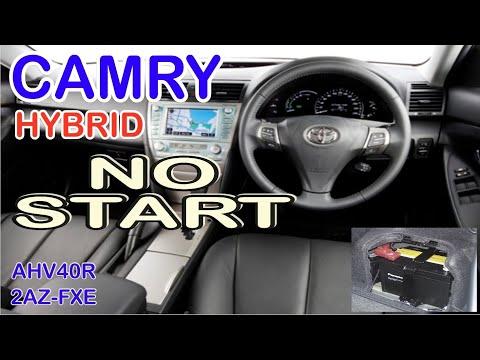






2011 Toyota Camry Hybrid No-Start Guide: Why There’s No Starter Motor & What to Check
Step-by-step 12V battery, terminal, and fuse checks plus safety tips and key torque specs
2011 Toyota Camry Hybrid No-Start Guide: Why There’s No Starter Motor & What to Check
Step-by-step 12V battery, terminal, and fuse checks plus safety tips and key torque specs


🔧 Camry - Engine Starting System (Hybrid) - Starter Motor Replacement
On your Camry Hybrid, there is no conventional 12V starter motor to replace. The engine is started by the hybrid motor-generator (MG1), so a “no-crank” complaint is usually caused by the 12V battery, connections, fuses, brake/shift interlocks, or a hybrid system fault.
Difficulty Level: Beginner | Estimated Time: 0.5-1.0 hours (basic checks)
⚠️ Safety & Precautions
- ⚠️ Do not touch orange high-voltage cables/connectors.
- ⚠️ Keep hands/tools away from belts and fans; the engine can start automatically when READY.
- ⚠️ If you remove the 12V battery negative cable, you may lose radio presets.
- ⚠️ Use eye protection and gloves around the 12V battery.
🔧 Required Tools
You'll need the following tools for this repair:
- 10mm socket
- 3/8" ratchet
- 6" extension (3/8")
- 10mm wrench
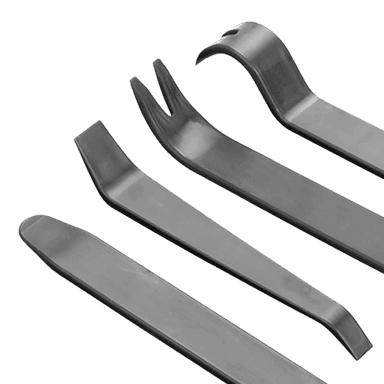
- Trim clip removal tool
- Digital multimeter
- Battery terminal cleaning brush
- Torque wrench (in-lb)
- Nitrile gloves
- Safety glasses
🔩 Required Parts
HowToo sells all the parts you need for this repair:
- 12V auxiliary battery (hybrid-compatible) - Qty: 1 (only if testing fails)
- Battery terminal anti-corrosion washers - Qty: 2 (optional)
- Battery terminal protectant spray - Qty: 1 (optional)
📋 Before You Begin
- Park on level ground, shift to Park, and set the parking brake.
- Make sure the key fob is inside the car (or the key is in the correct position for your setup).
- If the car will not go to READY, plan to check the 12V battery first.
🔨 Step-by-Step Instructions
Follow these steps in order:
Step 1: Confirm the symptom (READY vs no READY)
- Press the brake pedal firmly and press POWER/START (normal start procedure).
- Watch the instrument cluster for the READY light.
- If READY comes on but the engine doesn’t run, that can be normal; the engine starts only when needed.
Step 2: Access the 12V battery
- Open the trunk and remove the floor panels using a trim clip removal tool as needed.
- Locate the 12V battery area (rear compartment). Use a flashlight if you have one available.
Step 3: Measure 12V battery voltage (quick health check)
- Set your digital multimeter to DC volts.
- Touch red to battery positive and black to battery negative.
- As a simple guide: ~12.6V is healthy, ~12.2V is weak, ~12.0V or less often causes no-READY issues.
- Low 12V can mimic “bad starter.”
Step 4: Clean and tighten battery connections
- Loosen the negative terminal first using a 10mm wrench, then remove it.
- Loosen/remove the positive terminal using a 10mm wrench.
- Clean the terminals with a battery terminal cleaning brush until shiny.
- Reinstall positive first, then negative, using a 10mm wrench.
- Tighten terminal clamp nuts with a torque wrench (in-lb): Torque to 48 in-lb (5.4 Nm).
Step 5: Check the main fuses related to starting/IG power
- Open the under-hood fuse/relay box (near the engine bay).
- Use the fuse box diagram on the cover to find key fuses (commonly labeled IG/AM/ECU).
- Remove suspect fuses using fuse puller in the box (or carefully with needle-nose pliers if equipped) and inspect for a broken element.
- If a fuse is blown, replace only with the same amp rating.
Step 6: Re-test for READY
- Try starting again (brake firmly pressed).
- If it now goes READY, the issue was likely 12V battery/connection related.
Step 7: If still no READY, move to scan-tool diagnosis
- At this point, the cause is often a stored hybrid/immobilizer/brake interlock fault, not a replaceable “starter motor.”
- A scan tool capable of reading Toyota hybrid control codes is needed to continue accurately.
✅ After Repair
- Verify the car consistently reaches READY multiple times.
- Check that battery terminals are secure and not rotating by hand.
- If you replaced the 12V battery, confirm no warning lights remain after a short drive cycle.
💰 DIY vs Shop Cost
Shop Cost: $150-$450 (diagnosis; plus battery if needed)
DIY Cost: $0-$280 (basic checks; battery if needed)
You Save: $150-$170+ by doing it yourself!
Shop labor rates vary but typically run $100-$150/hour. This repair takes a shop approximately 0.5-1.0 hours.
🎯 Ready to get started?
HowToo makes it easy: same-day/2-day shipping on every part, plus all the tools and specialty tools you need! Check out the parts and tools sections below to add everything to your cart.