









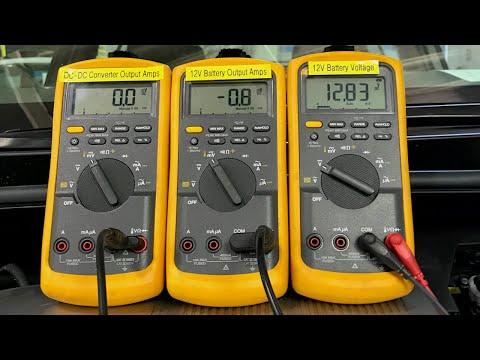






2011 Toyota Camry Hybrid No-Alternator Fix: Test 12V Charging & DC-DC Converter in READY
Step-by-step multimeter checks, common fuse/terminal fixes, symptoms to watch, and high-voltage safety tips
2011 Toyota Camry Hybrid No-Alternator Fix: Test 12V Charging & DC-DC Converter in READY
Step-by-step multimeter checks, common fuse/terminal fixes, symptoms to watch, and high-voltage safety tips


🔧 Camry - Alternator Replacement (Hybrid Charging System Clarification)
Your Camry Hybrid does not use a traditional belt-driven alternator. Instead, the hybrid system charges the 12V battery through a DC-DC converter (built into the inverter assembly), so an “alternator replacement” isn’t a normal service item on your Camry.
If you’re chasing a dead 12V battery or a battery warning light, the right DIY path is to test 12V charging in READY mode and inspect the 12V battery, connections, and main charging fuses before considering inverter/DC-DC repair.
Difficulty Level: Intermediate (testing) / Advanced (inverter work) | Estimated Time: 0.5-1.5 hours (testing)
⚠️ Safety & Precautions
- ⚠️ Your Camry Hybrid contains high-voltage (HV) components that can cause severe injury or death.
- ⚠️ Do not open the inverter or touch orange HV cables/connectors.
- ⚠️ Keep hands/tools clear of the engine bay when the car is in READY; the engine can start anytime.
- Disconnecting the 12V battery is not required for basic voltage checks, but it is required for cleaning terminals or fuse block removal.
- If inverter/DC-DC converter replacement is suspected, HV power-down steps are required and this is typically shop-level work.
🔧 Required Tools
You'll need the following tools for this repair:
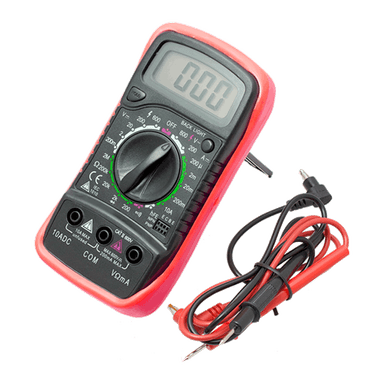
- Digital multimeter
- 10mm socket
- 3/8" drive ratchet
- 6" socket extension
- Trim clip removal tool
- Small wire brush
- Safety glasses
- Nitrile gloves
- Flashlight
🔩 Required Parts
HowToo sells all the parts you need for this repair:
- 12V auxiliary battery (Hybrid spec) - Qty: 1
- Battery terminal anti-corrosion washers - Qty: 2
- Battery terminal protectant spray - Qty: 1
- Main fusible link / charging fuse block (if found blown) - Qty: 1
📋 Before You Begin
- Park on level ground and shift to P.
- Set the parking brake.
- Have your key fob with you so you can place the car in READY for charging tests.
- If you will remove/clean battery terminals: turn the car OFF and disconnect the 12V battery negative (-) cable first using a 10mm socket.
🔨 Step-by-Step Instructions
Follow these steps in order:
Step 1: Confirm what “alternator problem” means (quick checks)
- Turn the car ON to READY (foot on brake, press POWER) and note if any warning lights appear.
- Common signs of 12V charging issues: repeated dead 12V battery, dim lights, multiple random dash warnings, or the car won’t go to READY.
Step 2: Measure 12V battery voltage with the car OFF
- Open the hood and access the 12V jump/terminal point (or measure directly at the 12V battery if accessible).
- Use a digital multimeter set to DC volts and measure across positive (+) and negative (-).
- Typical guideline: ~12.6V fully charged, ~12.2V partly charged, ~12.0V low. Low voltage can mimic many failures.
Step 3: Measure charging voltage in READY (this replaces “alternator output test”)
- With the car in READY, measure voltage again using the digital multimeter.
- You should typically see roughly 13.5V to 14.5V if the DC-DC converter is charging.
- If voltage stays near the OFF reading (around ~12V), the 12V system may not be charging.
Step 4: Inspect and clean 12V connections (simple, common fix)
- Turn the car OFF.
- Disconnect the 12V battery negative (-) terminal using a 10mm socket.
- Inspect terminals for looseness/corrosion; clean with a small wire brush.
- Reinstall and tighten with a 10mm socket (snug—do not overtighten).
- Apply battery terminal protectant spray after tightening.
Step 5: Check the main under-hood fusible link / charging fuse path
- Open the under-hood fuse/fusible link area.
- Use a flashlight and look for any visibly blown fusible links (melted window, burn marks).
- For a proper check, use a digital multimeter to verify continuity across the suspected fusible link(s).
- If a fusible link is blown, replace the main fusible link / charging fuse block as applicable.
Step 6: If not charging in READY, do NOT attempt “alternator replacement”
- There is no belt-driven alternator to remove/replace on your Camry Hybrid.
- The likely causes move toward DC-DC converter/inverter control, wiring, or hybrid system faults (often with stored codes).
- At this point, scanning for hybrid/charging DTCs is the next step.
✅ After Repair
- Recheck voltage with a digital multimeter in READY; confirm it rises into the charging range.
- Verify the car consistently goes to READY over several restarts.
- If the 12V battery was replaced or fully discharged, expect some settings to reset (clock, auto-up window initialization depending on equipment).
- If charging voltage is still low, get a scan of hybrid/charging codes before replacing major components.
💰 DIY vs Shop Cost
Shop Cost: $180-$450 (12V battery/diagnosis) / $2,000-$5,000+ (inverter-related repairs)
DIY Cost: $40-$350 (testing supplies or 12V battery)
You Save: $140-$300+ by doing it yourself (for basic 12V repair/verification)!
Shop labor rates vary but typically run $100-$150/hour. This repair takes a shop approximately 0.5-1.5 hours for testing.
🎯 Ready to get started?
HowToo makes it easy: same-day/2-day shipping on every part, plus all the tools and specialty tools you need! Check out the parts and tools sections below to add everything to your cart.
Two quick questions so I can point you to the exact fix:
- 🔎 What symptom are you having: dead 12V battery, battery light, or “won’t go READY”?
- 🔎 When you measure voltage in READY, what number do you see at the 12V terminals?
Guide for Battery Terminal Protector Washer replace for these Toyota vehicles
| Year Make Model | Sub Model | Engine | Body Style |
|---|