









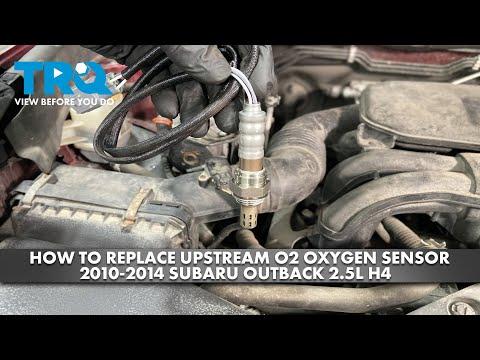





How to Replace the Oxygen Sensor on a 2013-2019 Subaru Outback (Engine: Flat 4 2.5L)
Step-by-step upstream and downstream sensor guide with tools, parts, torque specs, and safety tips for 2013, 2014, 2015, 2016, 2017, 2018, 2019
How to Replace the Oxygen Sensor on a 2013-2019 Subaru Outback (Engine: Flat 4 2.5L)
Step-by-step upstream and downstream sensor guide with tools, parts, torque specs, and safety tips for 2013, 2014, 2015, 2016, 2017, 2018, 2019


🔧 Outback - Oxygen Sensor Replacement
This repair replaces a faulty oxygen sensor, which helps the engine computer adjust fuel mixture. On your Outback, the 2.5L flat-4 uses an upstream air/fuel ratio sensor before the catalytic converter and a downstream oxygen sensor after the catalytic converter, so the exact sensor location depends on the trouble code.
Assumption: This guide covers replacing either front upstream sensor or rear downstream sensor on your Outback.
Difficulty Level: Beginner to Intermediate | Estimated Time: 1-2 hours
⚠️ Safety & Precautions
- ⚠️ Exhaust parts get extremely hot. Let your Outback cool for at least 1-2 hours before working.
- ⚠️ Support the vehicle with jack stands. Never work under a vehicle held only by a jack.
- ⚠️ Disconnect the negative battery cable before unplugging the sensor to reduce the chance of electrical damage.
- ⚠️ Oxygen sensors can seize in the exhaust. Use penetrating oil and steady pressure to avoid damaging the exhaust bung, which is the threaded mounting hole in the pipe.
- ⚠️ If the sensor will not loosen, do not force it until the threads strip. Stop and apply more penetrating oil.
🔧 Required Tools
You'll need the following tools for this repair:
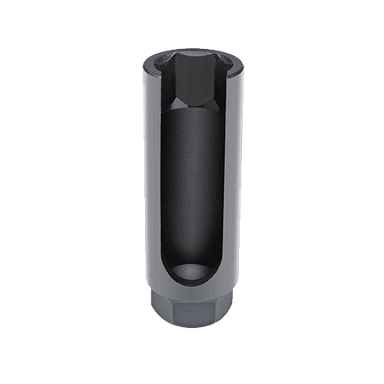
- 22mm oxygen sensor socket (specialty)
- 3/8-inch drive ratchet
- 3/8-inch drive 6-inch extension
- 10mm socket
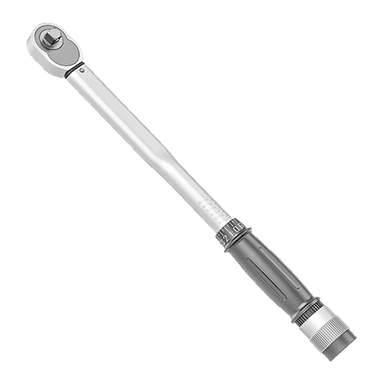
- Torque wrench 10-80 Nm
- Flathead screwdriver
- Trim clip remover
- Floor jack rated 2-ton minimum
- Jack stands rated 2-ton minimum
- Wheel chocks
- Penetrating oil
- Anti-seize compound rated for oxygen sensors
- Nitrile gloves
- Safety glasses
- OBD2 scan tool
🔩 Required Parts
HowToo sells all the parts you need for this repair:
- Upstream air/fuel ratio sensor - Qty: 1 if replacing front sensor
- Downstream oxygen sensor - Qty: 1 if replacing rear sensor
- Exhaust heat shield clips or fasteners - Qty: as needed
📋 Before You Begin
- 🅿️ Park your Outback on level ground and set the parking brake.
- 🧊 Let the exhaust cool completely before touching anything underneath.
- 🛞 Place wheel chocks behind the rear wheels if lifting the front.
- 🔋 Use a 10mm socket to disconnect the negative battery cable.
- 📟 Use an OBD2 scan tool to note the stored code before repair. Bank 1 Sensor 1 is the upstream air/fuel ratio sensor. Bank 1 Sensor 2 is the downstream oxygen sensor.
- 🧰 An oxygen sensor socket is a slotted 22mm socket that fits over the sensor wire while loosening the sensor.
🔨 Step-by-Step Instructions
Follow these steps in order:
Step 1: Raise and Support the Front
- Use a floor jack rated 2-ton minimum to lift the front of your Outback at the front center jacking point.
- Place jack stands rated 2-ton minimum under the front side support points.
- Gently lower the vehicle onto the jack stands and lightly shake the vehicle to confirm it is stable.
- Put on safety glasses and nitrile gloves.
- Never trust the jack alone.
Step 2: Locate the Correct Sensor
- Use a work light to look along the exhaust under the engine.
- The upstream air/fuel ratio sensor is mounted before the catalytic converter, closer to the engine.
- The downstream oxygen sensor is mounted after the catalytic converter, farther back in the exhaust stream.
- Use the OBD2 scan tool code to match the failed sensor: Sensor 1 = upstream, Sensor 2 = downstream.
Step 3: Remove Any Underbody Cover or Heat Shield Access Panel
- Use a trim clip remover to remove plastic push clips from the lower splash shield if it blocks access.
- Use a 10mm socket to remove any small bolts holding the shield in place.
- Set the clips and bolts aside in order so they go back into the same locations.
Step 4: Disconnect the Sensor Electrical Connector
- Follow the oxygen sensor wire from the exhaust sensor up to its connector.
- Use a flathead screwdriver to gently release the connector lock tab if it is tight.
- Unplug the connector by pulling on the connector body, not the wire.
- Release the wire from any retaining clips by hand or with a flathead screwdriver.
- Do not twist the harness.
Step 5: Loosen the Old Sensor
- Spray penetrating oil where the sensor threads enter the exhaust pipe.
- Wait 5-10 minutes for the penetrating oil to soak in.
- Slide the 22mm oxygen sensor socket over the sensor wire and onto the sensor hex.
- Use a 3/8-inch drive ratchet and 3/8-inch drive 6-inch extension to turn the sensor counterclockwise.
- If the sensor is stuck, tighten it slightly first, then loosen it again with steady pressure.
- Slow steady force beats yanking.
Step 6: Remove the Old Sensor
- Once loose, continue turning the sensor counterclockwise with the 22mm oxygen sensor socket.
- Remove the sensor from the exhaust bung by hand once it spins freely.
- Check the exhaust bung threads for damage or heavy rust.
Step 7: Prepare the New Sensor
- Compare the new sensor to the old one. The connector shape, wire length, and sensor tip style should match.
- If the new sensor threads do not already have anti-seize, apply a tiny amount of oxygen-sensor-safe anti-seize compound to the threads only.
- Keep anti-seize away from the sensor tip and vent holes.
- Contamination can ruin the sensor.
Step 8: Install the New Sensor
- Thread the new sensor into the exhaust bung by hand first to avoid cross-threading.
- Use the 22mm oxygen sensor socket and torque wrench 10-80 Nm to tighten the sensor.
- Torque to 44 Nm (33 ft-lbs).
- Route the wire the same way as the original sensor, away from the exhaust pipe and moving parts.
Step 9: Reconnect the Electrical Connector
- Push the sensor connector together until it clicks.
- Use your hand to secure the wire back into the original retaining clips.
- Make sure the wire has some slack and is not stretched tight.
Step 10: Reinstall Shields and Lower the Vehicle
- Use a 10mm socket to reinstall any underbody shield bolts.
- Use a trim clip remover or your hands to reinstall plastic push clips.
- Use the floor jack rated 2-ton minimum to raise the vehicle slightly off the jack stands.
- Remove the jack stands rated 2-ton minimum.
- Lower your Outback slowly to the ground with the floor jack.
Step 11: Reconnect Battery and Clear Codes
- Use a 10mm socket to reconnect the negative battery cable.
- Torque to 5 Nm (44 in-lbs) if using a small torque wrench.
- Use an OBD2 scan tool to clear the stored oxygen sensor code.
- Start the engine and let it idle while checking for exhaust leaks or warning lights.
✅ After Repair
- ✅ Let the engine idle for a few minutes and confirm there are no rattles, exhaust leaks, or burning smells from spilled penetrating oil.
- ✅ Drive your Outback for 10-20 minutes with steady cruising and some stop-and-go driving so the engine computer can retest the sensor.
- ✅ Use the OBD2 scan tool after the drive to confirm no oxygen sensor codes return.
- ✅ If the same code returns, inspect for exhaust leaks, damaged wiring, blown sensor heater fuse, or incorrect sensor location replacement.
💰 DIY vs Shop Cost
Shop Cost: $250-$550 (parts + labor)
DIY Cost: $80-$220 (parts only)
You Save: $170-$330 by doing it yourself!
Shop labor rates vary but typically run $100-$150/hour. This repair takes a shop approximately 0.8-1.5 hours.
🎯 Ready to get started?
HowToo makes it easy: same-day/2-day shipping on every part, plus all the tools and specialty tools you need! Check out the parts and tools sections below to add everything to your cart.